20 Fruit Storage Ideas That Actually Keep Your Produce Fresh
For years, I have been trying out various storage techniques for fruit in my home kitchen, and I have investigated the recommendations made by food scientists and professional chefs in regard to extending the freshness of fruits. This article will combine practical experience with scientifically verified fruit storage techniques to provide you with techniques that do more than look good on Pinterest boards.
What are the best fruit storage techniques? Here is a list of the best storage techniques, including tiered fruit baskets, mesh hanging baskets, fruit storage jars, refrigerator drawers, and countertop bowls classified according to the ethylene sensitivity of each kind of fruit.
Read on to learn about 20 storage solutions, along with useful information regarding fruit shelf life, commonly made mistakes, and ways to fix them, even in very small kitchens.
Why Proper Fruit Storage Actually Matters
The next point that you may not have considered is the fact that nearly 30% of fruits bought are actually wasted due to improper storing. This means not only money but also energy is wasted on them.
For example, I used to throw away brown and soft bananas as well as moldy strawberries without any thoughts. Now I know that there are two kinds of fruits: ethylene producers (apples, bananas, avocados), and ethylene-sensitive fruits (berries, vegetables). Mixing them results in the quicker spoiling of both kinds. Separating them properly may save you several days or even weeks of freshness.
Proper storing doesn’t mean simply storing. It is also an opportunity to create some interior decorations of your kitchen.
1. Tiered Wire Baskets for Counter Space

Tiered wire baskets solve two problems at once: they save counter space and let air circulate around your fruit. This vertical solution works because ethylene gas needs airflow to escape, preventing that mushy, overripe mess.
Choose baskets in black or brass metal for a modern farmhouse look, or go with woven wicker for something cozier. Place heavier fruits like apples and oranges on the bottom tier, lighter fruits like bananas on top.
Practical tip: Position the basket near a window with indirect light, but never in direct sun—that speeds up ripening too fast.
This style suits farmhouse, industrial, and modern kitchens equally well. Next, let’s talk about a storage method perfect for berries specifically.
2. Ventilated Berry Containers

Berries are delicate. They mold fast because trapped moisture creates the perfect breeding ground for bacteria. Ventilated containers with small holes let air flow while keeping dust out.
Look for stackable, BPA-free plastic containers with removable strainer inserts. Clear containers work best because you can spot spoilage before it spreads to the whole batch.
Practical tip: Line the container bottom with a paper towel to absorb excess moisture before adding your berries.
This solution fits any kitchen style since these containers usually live inside the fridge. Now, let’s move to a fruit storage classic: the humble bowl.
3. Classic Ceramic Fruit Bowl

There’s a reason ceramic bowls have stuck around for decades. They’re heavy enough to stay put, they don’t retain odors, and they come in endless colors and glazes to match your decor.
Choose a bowl with a wide, shallow shape rather than deep and narrow—this prevents fruit at the bottom from bruising under weight. Earthy tones like terracotta or sage green complement traditional and Mediterranean-style kitchens beautifully.
Practical tip: Wash your ceramic bowl weekly with warm soapy water to remove bacteria buildup, even if it looks clean.
Ceramic bowls suit traditional, coastal, and bohemian kitchens especially well. But what about fruits that need cooler temps? Let’s check out the crisper drawer next.
4. Refrigerator Crisper Drawer Organization

Your crisper drawer has humidity controls for a reason, and most people ignore them completely. High humidity settings work for leafy greens and berries; low humidity suits fruits like apples and pears that release more gas.
Use drawer dividers or small bins within the crisper to separate ethylene producers from sensitive fruits. Clear labeling helps too, especially in busy households.
Practical tip: Adjust your crisper humidity dial based on what’s inside, don’t just set it once and forget it.
This method works in any home since it’s hidden inside your fridge. Now let’s explore a storage idea that’s both decorative and functional: the hanging fruit basket.
5. Hanging Mesh Fruit Baskets

Hanging baskets free up counter and cabinet space entirely, which is a lifesaver in small kitchens. The mesh design allows maximum airflow, which keeps bananas and citrus fruits fresh longer than sealed containers ever could.
Choose macramé or metal wire baskets in neutral tones for a boho or Scandinavian look. Hang them from ceiling hooks or under upper cabinets using S-hooks.
Practical tip: Keep hanging baskets away from stove heat, which can accelerate ripening unevenly.
This idea works wonders in boho, coastal, and minimalist kitchens. Speaking of minimalism, let’s talk about a simpler solution: the glass cloche.
6. Glass Cloche Fruit Domes

Glass cloches look elegant and protect fruit from dust and fruit flies. They’re especially good for fruits you want to display but don’t need in the fridge, like pears or stone fruits.
Pick a cloche with a wooden or marble base for extra visual weight on your countertop. This works particularly well in farmhouse and French country kitchens.
Practical tip: Don’t overcrowd the cloche, overlapping fruit bruises easily under glass.
This elegant option pairs beautifully with vintage and cottage-style kitchens. Now, let’s dive into cold storage options for fruits with longer shelf lives.
7. Root Cellar-Style Cool Storage

If you have a basement, garage, or unheated pantry, you’ve got potential cool storage space. Apples, in particular, can last months at temperatures between 30-35°F with high humidity.
Set up wooden crates or slatted wooden boxes that allow airflow. Layer apples in single rows rather than piling them, which prevents bruising and rot from spreading.
Practical tip: Check stored fruit weekly and remove any with soft spots immediately to prevent spread.
This traditional method suits farmhouse and rustic homes with extra storage space. Next, let’s look at a solution for smaller households: individual fruit pods.
8. Individual Fruit Storage Pods
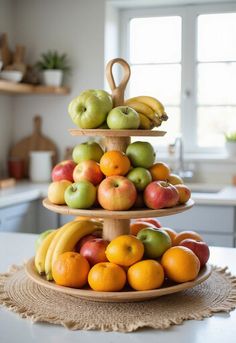
Fruit pods, small enough for single pieces, work great for avocados and tomatoes that need monitoring as they ripen. These containers often come with adjustable vents to control ripening speed.
Silicone pods in bright colors add a fun, modern touch to your counter. They’re particularly useful for people living alone or couples who buy fruit in small quantities.
Practical tip: Check pods daily since avocados can go from hard to overripe within 24 hours.
This modern solution fits contemporary and minimalist kitchens perfectly. Now, let’s explore something a bit more rustic: wooden crate storage.
9. Stacked Wooden Crates

Wooden crates give off major farmhouse charm while providing sturdy, well-ventilated storage. Stack two or three crates for vertical storage that doesn’t eat up counter space.
Choose unfinished wood for a rustic vibe, or paint crates white or black for a more polished look. These work great for citrus fruits and apples that don’t bruise easily.
Practical tip: Line crate bottoms with a light cloth to prevent fruit from picking up wood splinters or rough textures.
This idea suits farmhouse, industrial, and rustic kitchen styles wonderfully. Let’s shift gears now to talk about glass jar storage for cut fruit.
10. Glass Jars for Prepped Fruit

Once fruit is cut, storage rules change completely. Airtight glass jars slow oxidation, keeping cut fruit fresh and preventing that brown, mushy look.
Wide-mouth mason jars work well for larger pieces like melon or pineapple chunks. Add a splash of lemon juice before sealing to slow browning even further.
Practical tip: Store cut fruit jars toward the back of the fridge where temperatures stay most consistent.
This practical method fits any kitchen style since jars live inside the fridge. Now, let’s talk about a smart pantry solution: banana hooks.
11. Dedicated Banana Hooks

Bananas ripen faster when they touch other surfaces, which is why hanging them separately makes such a big difference. A dedicated hook keeps bananas from bruising and slows the ripening process.
Choose a simple stainless steel or wooden hook that mounts under a cabinet or stands alone on the counter. This tiny addition can extend banana freshness by 2-3 days.
Practical tip: Separate bananas from the bunch once one starts ripening faster than the others.
This small solution works in literally any kitchen style. Next, let’s discuss a storage method for fruits that need darkness: pantry bins.
12. Dark Pantry Storage Bins

Some fruits, like potatoes’ fruit cousins (yes, tomatoes count here), actually do better away from light. Opaque bins in a cool pantry work well for fruits sensitive to light exposure.
Choose stackable bins with small ventilation holes. Label each bin clearly since you can’t see inside.
Practical tip: Keep pantry temperature below 70°F for best results with light-sensitive produce.
This solution suits any kitchen with pantry space, regardless of style. Now let’s move to a decorative option that also functions well: the pedestal stand.
13. Pedestal Fruit Stands

Pedestal stands elevate fruit both literally and visually. They create a beautiful centerpiece while keeping fruit off the counter surface, which helps with air circulation underneath.
Marble or metal pedestals suit modern and glam kitchens, while wood pedestals fit farmhouse and traditional spaces better.
Practical tip: Choose a pedestal with a slightly concave top to keep round fruits from rolling off.
This eye-catching option works beautifully in modern, glam, and traditional kitchens. Let’s explore freezer storage next for long-term fruit preservation.
14. Freezer Bags for Long-Term Storage
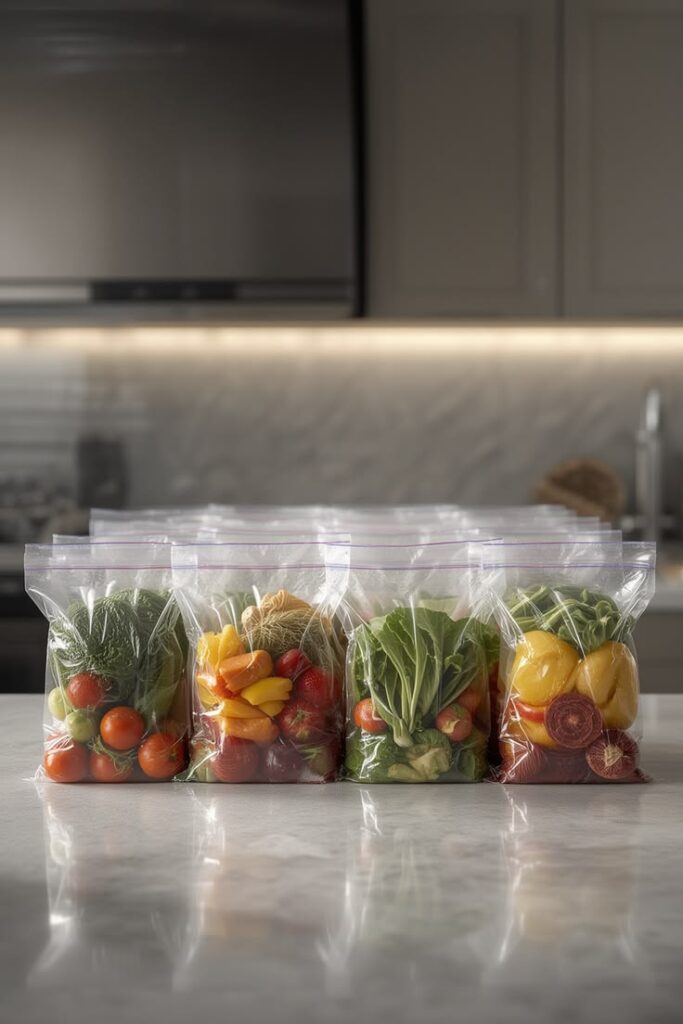
Freezing extends fruit life for months rather than days. This works especially well for berries, bananas (peeled and sliced), and mangoes destined for smoothies.
Use freezer-safe bags and remove as much air as possible before sealing. Flash-freeze pieces on a tray first so they don’t clump together into one solid mass.
Practical tip: Label bags with the freeze date so you use older fruit first.
This method fits any kitchen since it’s all about the freezer. Now, let’s discuss a countertop option perfect for citrus: the citrus basket.
15. Dedicated Citrus Baskets
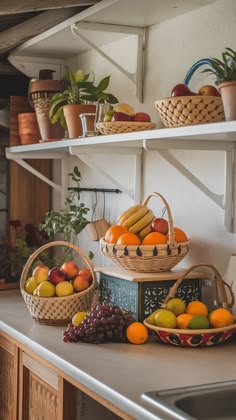
Citrus fruits like oranges and lemons last longer than most people realize—up to 3-4 weeks at room temperature if stored properly with good airflow.
A separate basket for citrus prevents their strong scent and ethylene output from affecting other fruits. Woven baskets in warm tones complement citrus colors nicely.
Practical tip: Rotate citrus fruits weekly, moving older ones to the front so you use them first.
This idea works in Mediterranean, coastal, and traditional kitchen styles especially well. Next, let’s cover a smart solution for avocado lovers.
16. Avocado Ripening Stations
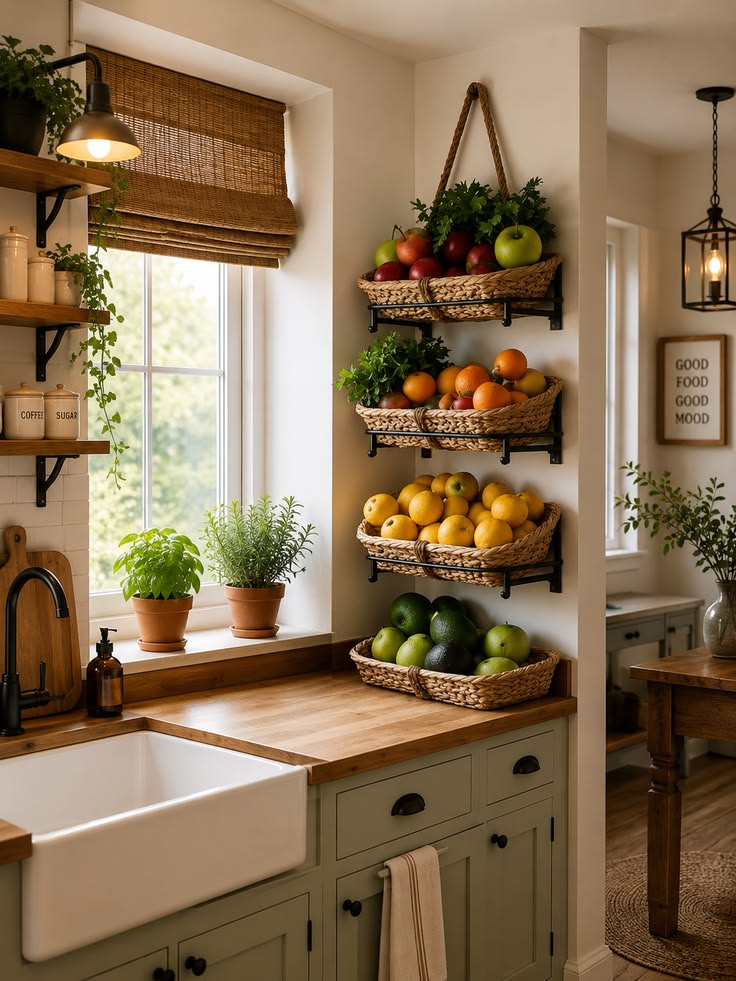
Avocados are tricky. Too hard, and you’re waiting days. Too soft, and you’ve missed your window. A dedicated ripening station with good airflow helps you monitor progress daily.
Small wire baskets or simple bowls work well. Some people add an apple or banana nearby temporarily to speed ripening through extra ethylene gas.
Practical tip: Once ripe, move avocados to the fridge immediately to pause further ripening for up to a week.
This practical solution suits any kitchen style since it’s more about function than looks. Now, let’s talk about melon storage, which requires unique handling.
17. Whole Melon Counter Storage
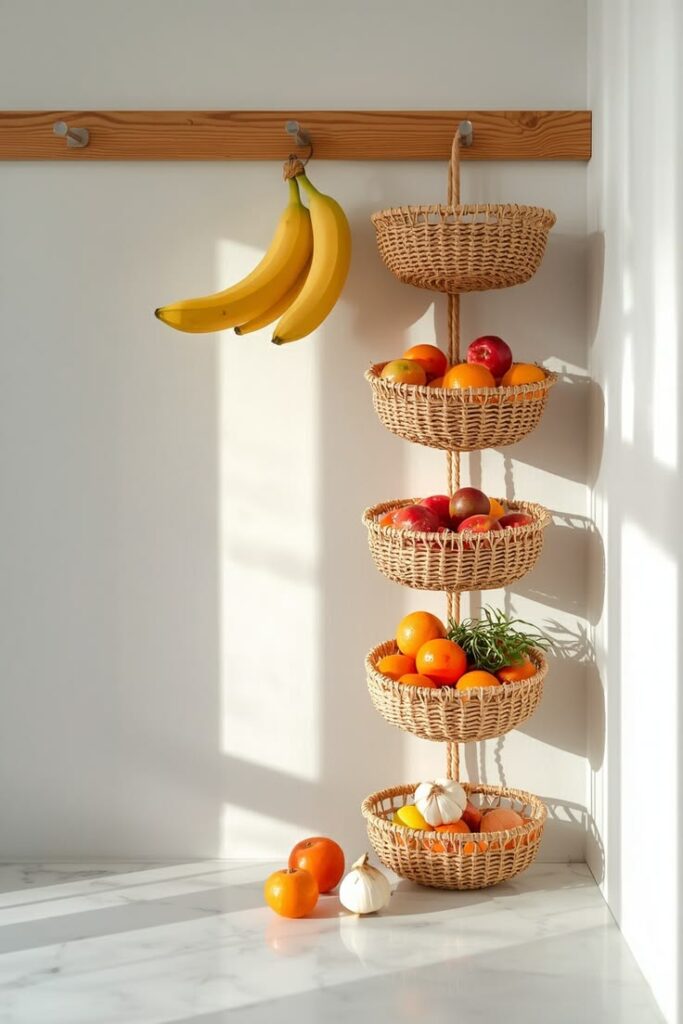
Whole melons take up significant space but don’t need refrigeration until cut. Store them at room temperature in a cool spot away from direct sunlight.
A large, sturdy basket or simply a designated counter corner works fine. Once cut, melon must go into the fridge in an airtight container within two hours.
Practical tip: Press gently on the melon’s end—a slight give means it’s ripe and ready.
This straightforward method fits any kitchen layout with available counter space. Let’s move to a stylish option for displaying multiple fruit types together.
18. Multi-Tier Rotating Fruit Organizer

Rotating organizers, similar to a lazy Susan but vertical, let you access different fruits without shuffling through a pile. This design works exceptionally well in kitchens with limited counter space.
Choose a model with 2-3 tiers and a non-slip base. Metal or acrylic designs fit modern kitchens, while wood suits farmhouse styles.
Practical tip: Place fruits you use most often on the top tier for easy access.
This clever solution works great in modern, transitional, and compact kitchen designs. Now, let’s discuss a natural preservation method: beeswax wraps.
19. Beeswax Wrap for Cut Fruit

Beeswax wraps offer an eco-friendly alternative to plastic wrap for storing cut fruit. The natural wax creates a breathable seal that keeps fruit fresher than you’d expect.
Wrap cut fruit halves (like avocado or melon) directly, pressing gently to seal edges. These wraps are reusable for up to a year with proper care.
Practical tip: Wash wraps in cool water with mild soap—hot water melts the beeswax coating.
This sustainable option suits eco-conscious households of any kitchen style. Finally, let’s cover a storage solution for dried fruit lovers.
20. Airtight Canisters for Dried Fruit

Dried fruits need different storage than fresh ones. Airtight canisters keep out moisture and pests while extending shelf life significantly compared to open bags.
Glass or stainless steel canisters with rubber-sealed lids work best. Store in a cool, dark pantry rather than near the stove or in direct sunlight.
Practical tip: Add a small food-safe silica packet to canisters for extra moisture control in humid climates.
This simple solution rounds out our list and fits any kitchen style perfectly.
Fruit Storage Life Span Chart
| Fruit Type | Room Temperature | Refrigerated | Frozen |
|---|---|---|---|
| Bananas | 2-5 days | Not recommended (skin darkens) | 2-3 months (peeled) |
| Apples | 1-2 weeks | 4-6 weeks | 8 months (sliced) |
| Berries | 1-2 days | 5-7 days | 6-12 months |
| Citrus | 3-4 weeks | 3-4 weeks | 4-6 months (zest/juice) |
| Avocados | 3-5 days (unripe) | 1 week (ripe) | 4-6 months (mashed) |
| Melons (whole) | 1 week | N/A until cut | Not recommended |
| Melons (cut) | Not recommended | 3-4 days | 10-12 months |
| Grapes | 1-2 days | 1-2 weeks | 10-12 months |
Ethylene Sensitivity Reference Table
| High Ethylene Producers | Ethylene Sensitive (Store Separately) |
|---|---|
| Apples | Berries |
| Bananas | Leafy greens |
| Avocados | Broccoli |
| Pears | Cucumbers |
| Tomatoes | Carrots |
Tips for Success
- Wash fruit right before eating, not right after buying—early washing introduces moisture that speeds spoilage
- Check stored fruit every few days and remove anything showing decay
- Match storage containers to fruit type rather than using one method for everything
- Keep your fruit storage area clean and dry at all times
- Buy smaller quantities more often rather than bulk-buying fruit that’ll spoil before you finish it
Common Mistakes and How to Avoid Them
Mistake: Storing all fruits together in one bowl.
Fix: Separate ethylene producers from sensitive fruits using the table above.
Mistake: Refrigerating bananas, tomatoes, and stone fruits.
Fix: Keep these at room temperature until ripe; refrigeration ruins their texture and flavor.
Mistake: Washing fruit before storing.
Fix: Wash only right before eating to avoid trapped moisture that causes mold.
Mistake: Ignoring humidity settings on crisper drawers.
Fix: Adjust settings based on what you’re storing—high humidity for leafy produce, low for gas-releasing fruits.
Mistake: Overcrowding fruit bowls or bins.
Fix: Leave breathing room; overcrowded fruit bruises and rots faster.
Similar Variations Worth Trying
- Repurposed vintage crates instead of new wooden ones for a thrifted, eclectic look
- Colander bowls doubling as fruit storage that also work for washing produce
- Command hook banana hangers for renters who can’t drill into cabinets
- Fabric-lined baskets for extra cushioning with delicate fruits like peaches
- Chalkboard-labeled bins in pantries for easy identification and rotation tracking
Wrapping It Up
There you have it—20 fruit storage ideas that go way beyond just tossing everything into one bowl. From tiered baskets to freezer bags, each method solves a specific problem, whether that’s saving space, extending freshness, or just making your kitchen look better.
I’ve tried most of these myself, and I can tell you firsthand: small changes in fruit storage make a real difference. Pick two or three ideas that fit your space and your lifestyle, and you’ll waste less food while enjoying fresher fruit every single day.