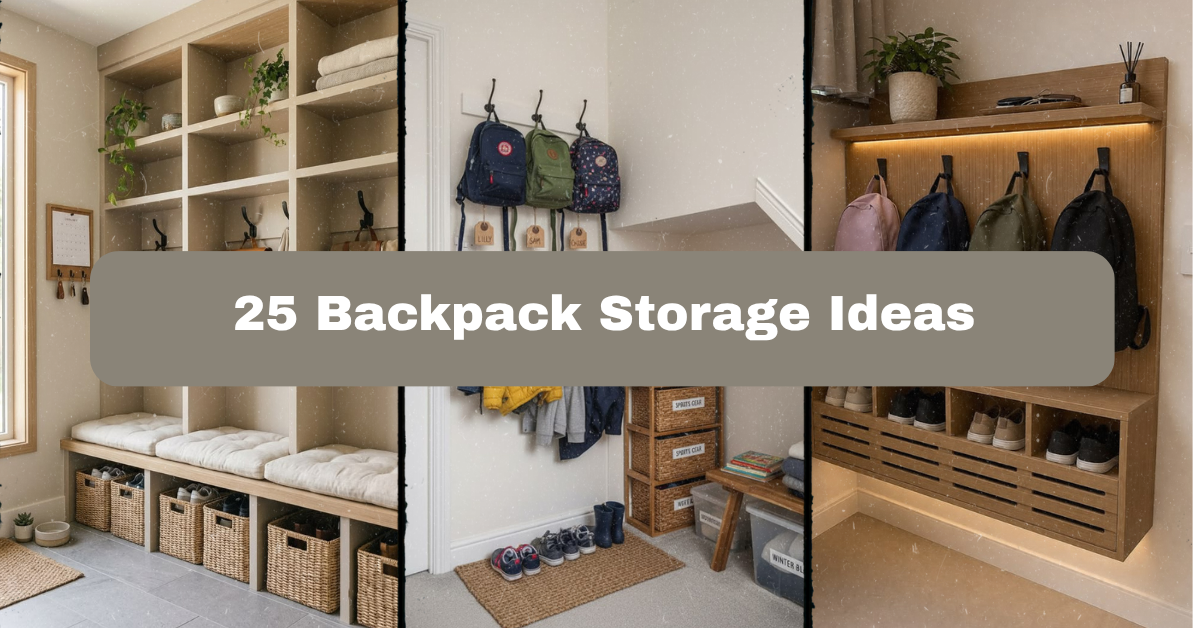
25 Backpack Storage Ideas That Actually Work
For years, I have been putting various storage systems into practice in actual homes facing real clutter issues, and I can clearly distinguish between the backpack storage solutions that survive daily messiness from those that seem good on Pinterest for the first couple of weeks.
Well, what are the best backpack storage ideas? The best backpack storage ideas include hanging hooks on walls, entryway cubbies, pegboard organization systems, and labeled containers near the entrance. These storage ideas help to store backpacks off the floor and avoid morning rush for both children, teens, and adults.
Keep reading! I will tell you about 25 different storage options along with the comparison of materials, prices, and common errors I have seen again and again.
Why Backpack Storage Matters More Than You Think
Here is the thing about backpacks: They are heavy, they are awkward, and they seem to breed just like rabbits in a family with children. What starts out as one turns into three and then into an entire stack by the door that everyone keeps tripping over.
A good backpack storage system is more than organization. It creates a routine. When every backpack has its own designated spot, mornings go much better. No one is yelling, “Where is my backpack,” at the last minute before the school bus pulls up.
1. Wall-Mounted Hook Rails
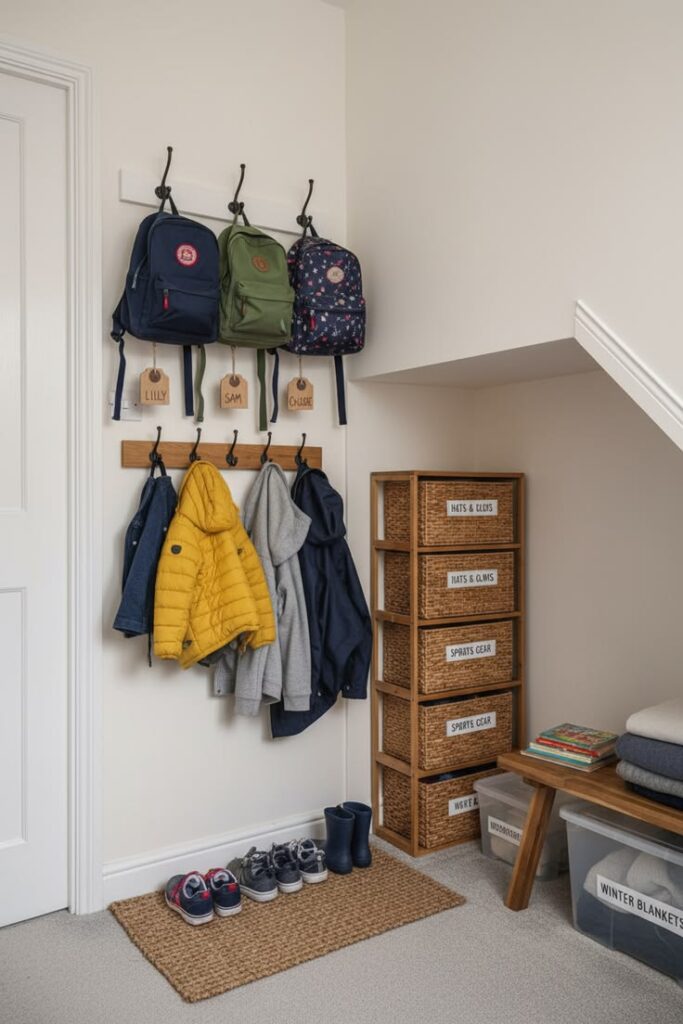
The truth about why wall-mounted hook rails should be used in organizing your backpacks is because they are simple, inexpensive and very efficient. One hook rail fitted with five to six hooks is enough to accommodate all your family’s backpacks without taking up any space on the floor. It is advisable to install these rails at various heights if you have children of different ages.
Where color schemes are concerned, matte black and brushed nickel hooks fit almost all walls whereas the wooden rails that are painted complement farmhouse and traditional houses. For modern designs, chrome hardware suits perfectly well. You can fix them at 48 inches for grown-ups and 36 inches for children.
These rails can be installed in almost any entryway; thus, it naturally takes us to the next level of this method.
2. Entryway Bench with Storage

The combination of an entryway bench with storage helps address two issues simultaneously – seating and storage of backpacks. Kids can sit on the bench to change their shoes while their backpacks rest underneath or inside storage compartments within the bench. I recommend benches that have either removable drawers or lids since they keep everything out of sight when having visitors.
Select wood that has a weathered appearance to create farmhouse looks, or choose upholstery made of linen for transitional aesthetics. Add one or two woven baskets to the mix to store gloves and hats.
Tip: measure the width of your entryway before purchasing – benches wider than 48 inches will be too wide for narrow entryways. This solution works well with the next one – cubbies.
3. Cubby System with Labeled Bins
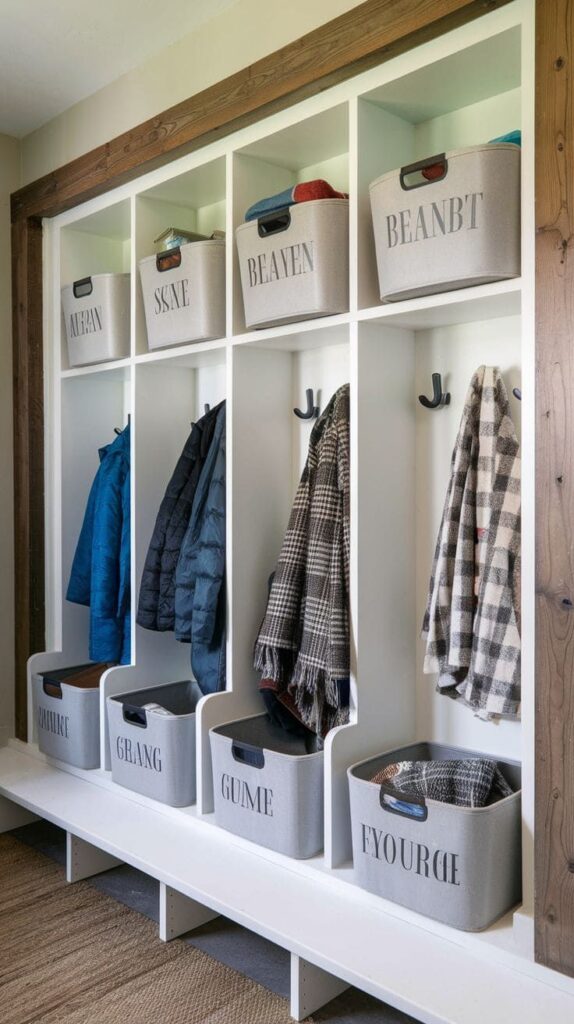
Cubbies give every family member their own dedicated space, which cuts down on arguments about whose backpack goes where. Labeled bins inside each cubby add another layer of order—lunch boxes here, backpacks there, sports gear in its own slot.
I suggest using chalkboard labels or removable vinyl tags so you can update names as kids grow or move. White or light wood cubbies keep things feeling airy, while navy or forest green add a cozy, traditional touch.
One tip that saves headaches: assign colors to each cubby matching each child’s designated color for lunch bags, water bottles, and jackets too. This turns backpack storage into a whole-family organization system, and it transitions naturally into wall-based versions for smaller homes.
4. Pegboard Organization Wall
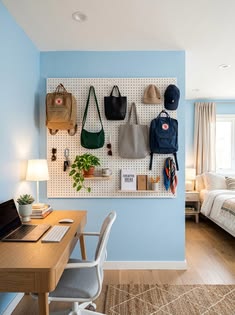
Pegboards are endlessly customizable, which makes them perfect for backpack storage in garages, mudrooms, or even bedroom closets. You can rearrange hooks, baskets, and shelves as your needs change—something rigid shelving just can’t offer.
Paint the pegboard a bold color like mustard or terracotta for a playful vibe, or keep it white for a minimalist finish. Add small wire baskets for smaller items alongside sturdy hooks rated for at least 10 pounds to handle loaded backpacks.
This setup shines in modern industrial spaces but adapts well to eclectic or bohemian homes too. Next, let’s look at a solution that requires zero wall space at all.
5. Over-the-Door Hooks
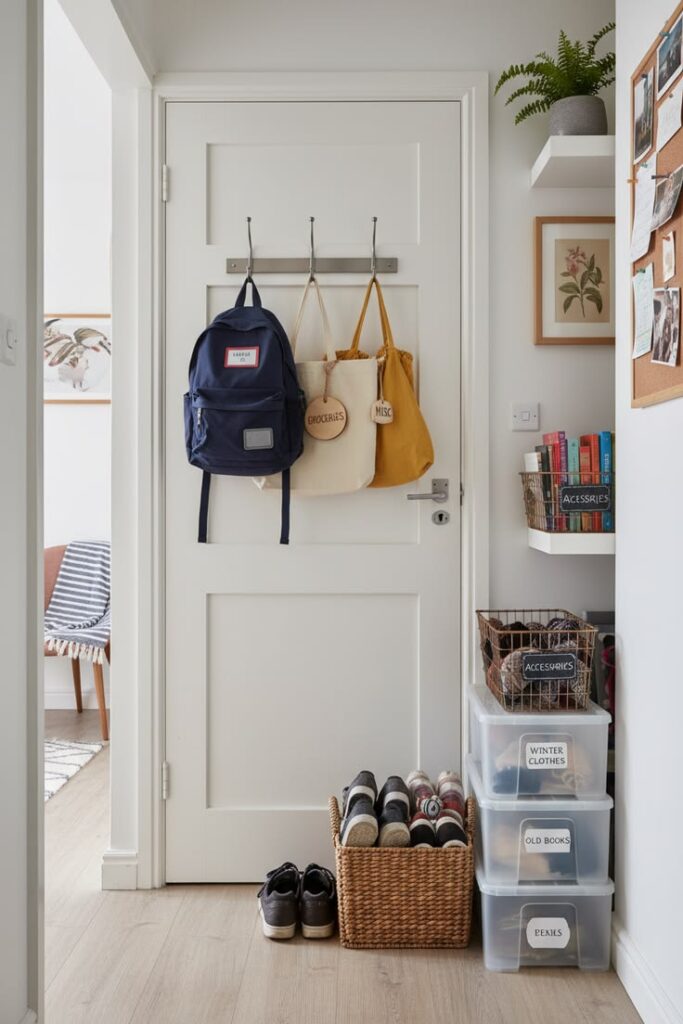
Over-the-door hooks are a renter’s best friend. No drilling, no damage deposits at risk, just simple hardware that hangs over any standard door. These work great in bedrooms or closets where floor space and wall space are both limited.
Look for hooks with rubber padding to protect door finishes, especially on painted or stained wood doors. Bronze or matte black finishes tend to disappear against most door colors.
I always tell people to buy hooks rated for heavier loads than they think they need—backpacks stuffed with textbooks get surprisingly heavy. This solution flows nicely into full mudroom locker setups for families needing more capacity.
6. Mudroom Locker Station

Locker-style stations mimic school hallways, and honestly, kids respond well to that familiarity. Each locker section typically includes a hook, a shelf for hats or shoes, and sometimes a small bench seat built right in.
These work best in traditional or farmhouse-style mudrooms with beadboard paneling and warm wood tones. For a more modern take, go with flat-panel doors in charcoal gray paired with brass hardware.
Practical tip: leave at least 20 inches of width per locker section so backpacks don’t get crushed between kids’ gear. This structured approach naturally leads into simpler closet-based alternatives for smaller households.
7. Closet Rod with S-Hooks

Repurposing an existing closet rod with S-hooks is one of the most budget-friendly backpack storage ideas out there. You’re using space you already have, just adding cheap hardware to make it functional for backpacks instead of just clothes.
Metal S-hooks in black or silver blend with most closet interiors. This works particularly well in mudroom closets or coat closets near the front door.
One thing I’ve learned: space hooks at least 6 inches apart so bulky backpacks don’t overlap and become one tangled mess. This idea works in almost any home style since it’s tucked away and out of sight, which brings us to another hidden storage gem.
8. Under-Stairs Storage Nook

If you’ve got stairs, you’ve likely got wasted space underneath them. Converting that awkward nook into a backpack storage zone is genius use of square footage most people ignore completely.
Built-in shelving or pull-out drawers work beautifully here. Stick with wood tones matching your stair trim for a seamless, custom-built look, or paint everything white to make the space feel brighter and less cave-like.
This solution requires some carpentry skill or a handyman, but the payoff is huge in homes with limited entryway space. It’s a favorite in traditional and craftsman-style homes especially. Now let’s talk about mobile solutions for renters or frequently rearranged spaces.
9. Rolling Cart System

A rolling cart brings flexibility that fixed storage can’t match. Roll it to the door in the morning, roll it back to a closet or corner when guests arrive. This works wonders in apartments or smaller homes without dedicated mudroom space.
Metal wire carts in black or white fit modern and industrial aesthetics, while wicker or rattan carts suit coastal or bohemian styles. Add bins on each tier for individual family members’ gear.
Practical tip: choose carts with locking wheels so they don’t roll away when kids yank backpacks off them. This portable idea pairs nicely with hanging solutions for homes needing both mobility and wall storage.
10. Hanging Shelf with Hooks

Combining a shelf with hooks underneath gives you storage for both backpacks and items like helmets, hats, or lunch boxes on top. It’s a two-in-one solution that maximizes vertical space without requiring floor footprint.
Floating shelves in natural wood tones create a Scandinavian, minimalist feel, while black metal brackets suit modern farmhouse styles. Keep the shelf depth around 10-12 inches for stability with heavier items.
This works especially well above entry benches, creating a full storage wall in one cohesive unit. From here, let’s look at temporary, no-commitment storage options.
11. Command Strip Hook Wall
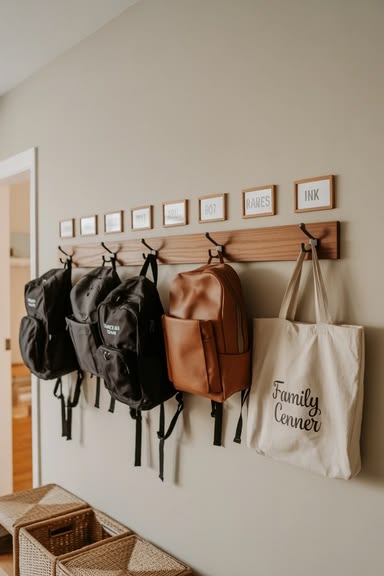
For renters who can’t drill holes, command strip hooks are lifesavers. They hold surprising weight when installed correctly, and they come off without damaging paint or wallpaper.
Stick with white or clear strips for a nearly invisible look, or choose colored hooks as small decorative accents against a neutral wall. Arrange them in a grid pattern for a clean, organized appearance.
I always recommend checking weight ratings before loading heavy backpacks—cheaper strips fail under 5 pounds, while quality ones handle 15-20 pounds easily. This adaptable solution transitions well into garage-specific setups for families needing extra capacity.
12. Garage Storage Zone

Garages offer tons of untapped space for backpack storage, especially for families with sports equipment mixed into the mix. A dedicated wall section with hooks, shelves, and bins keeps backpacks separate from bikes and tools.
Industrial metal shelving in gray or black fits the garage aesthetic naturally. Add clear bins so you can see contents at a glance without digging through everything.
Practical tip: install storage at a height where backpacks won’t get dusty from nearby car exhaust or tools. This zone works particularly well for families transitioning from car to house, leading nicely into freestanding options for indoor spaces.
13. Coat Rack with Backpack Hooks

A traditional coat rack, either wall-mounted or freestanding, can double as backpack storage when you choose one with sturdy, wide-set hooks. This works especially well in smaller entryways where a full bench or locker system won’t fit.
Wooden coat racks with a warm walnut finish suit traditional homes, while metal tree-style racks fit modern or industrial spaces. Look for hooks angled slightly upward to prevent backpacks from sliding off.
This is one of the simplest backpack storage ideas to implement immediately, often for under $50. It flows naturally into basket-based storage for smaller item organization alongside backpacks.
14. Basket Storage Shelving
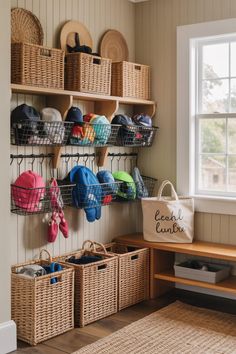
Open shelving paired with woven baskets creates a soft, textured look while keeping backpacks contained and tidy. Baskets hide the slightly messy nature of backpacks better than open hooks do.
Natural rattan or seagrass baskets suit coastal and bohemian homes, while black wire baskets fit modern or industrial aesthetics. Label each basket with a family member’s name using a simple tag.
Practical tip: choose baskets with handles so kids can easily pull them out and push them back without dumping contents everywhere. This soft storage style pairs well with built-in solutions for a more permanent upgrade.
15. Built-In Cubbies (Custom)

Custom-built cubbies, while pricier, offer the most tailored backpack storage solution for your exact space and family size. These are typically installed by a carpenter and can include hooks, shelves, and drawers all in one unit.
Choose painted finishes in soft sage or navy for a designer look, or stain wood in rich tones for a more traditional feel. This investment pays off long-term in homes where backpack chaos is a daily struggle.
This works beautifully in mudrooms of craftsman, farmhouse, or transitional homes. Next, let’s cover a budget alternative that still keeps things organized.
16. Door-Mounted Organizer Pockets

Fabric organizers with multiple pockets that hang over a door offer surprisingly good backpack storage for smaller items, and some heavy-duty versions handle full backpacks too. These work great in bedroom closets or on the back of pantry doors.
Canvas organizers in neutral tones blend into most decor, while colorful options work well in kids’ rooms. Look for reinforced pockets if you’re storing anything heavier than light daypacks.
This is a budget-friendly option, usually under $30, making it ideal for renters or temporary setups. It transitions well into freestanding tree-style storage for larger families.
17. Freestanding Coat Tree
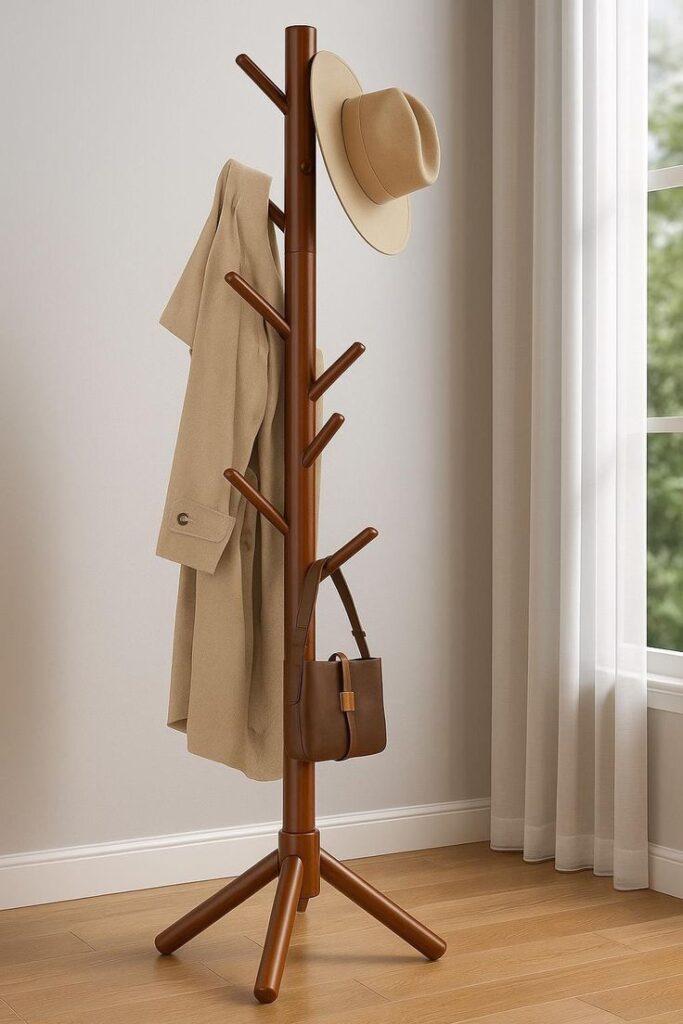
A coat tree with multiple arms provides flexible backpack storage that you can move room to room as needed. These work particularly well in apartments or homes without a dedicated entryway.
Wood coat trees with a natural finish suit Scandinavian or minimalist homes, while black metal versions fit modern spaces. Choose one with a wide base for stability when backpacks are fully loaded.
Practical tip: position away from high-traffic walking paths since freestanding trees can tip if bumped. This flexible piece pairs nicely with bedroom-specific solutions for kids who prefer storing gear in their own rooms.
18. Bedroom Hook Rail

Sometimes the entryway just isn’t the right spot, especially for teens who want their backpack in their own space. A hook rail mounted inside a bedroom closet or on a bedroom wall keeps things organized without cluttering shared family areas.
Match the rail finish to existing bedroom hardware for cohesion. Kids’ rooms can handle playful colors, while teen rooms often look better with simple black or white rails.
This works well across all home styles since it’s contained within a private space. Now let’s look at a hybrid solution for busy kitchens near back entrances.
19. Kitchen Command Center Nook
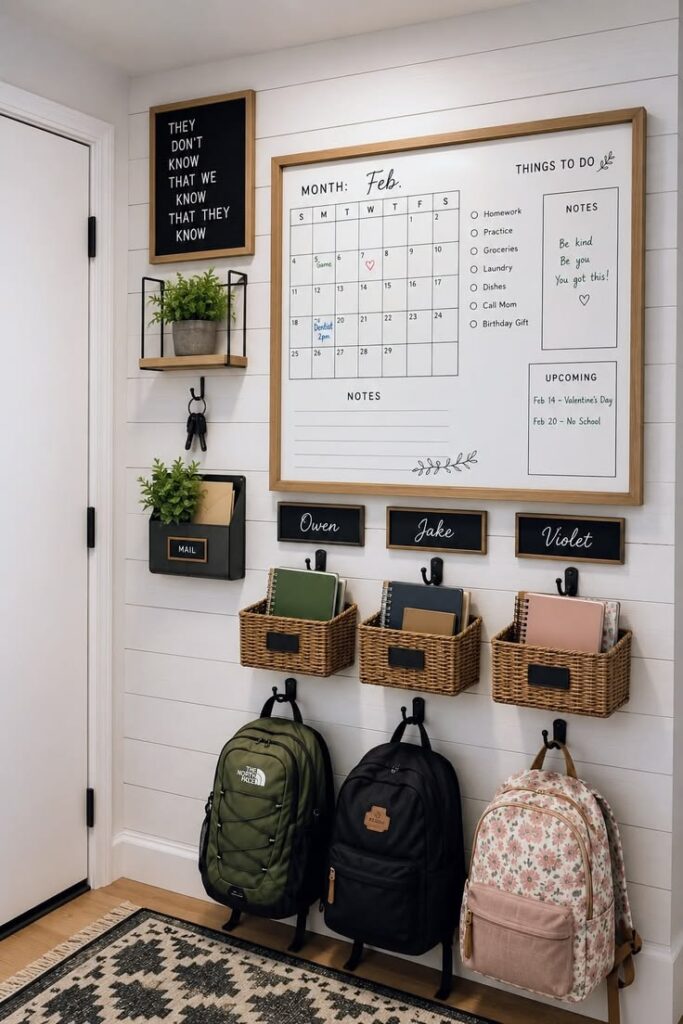
Many families enter through the kitchen rather than the front door, making a small backpack nook near the kitchen entrance incredibly practical. This often combines a hook, a small shelf, and maybe a chalkboard for notes.
Choose finishes that match your kitchen cabinetry for a built-in feel. White shaker-style hooks blend into farmhouse kitchens, while sleek black hardware suits modern kitchens.
Practical tip: keep this zone small and specific—just backpacks and essentials—so it doesn’t turn into a kitchen catch-all junk drawer. This focused nook leads well into repurposed vintage storage ideas.
20. Repurposed Ladder Rack
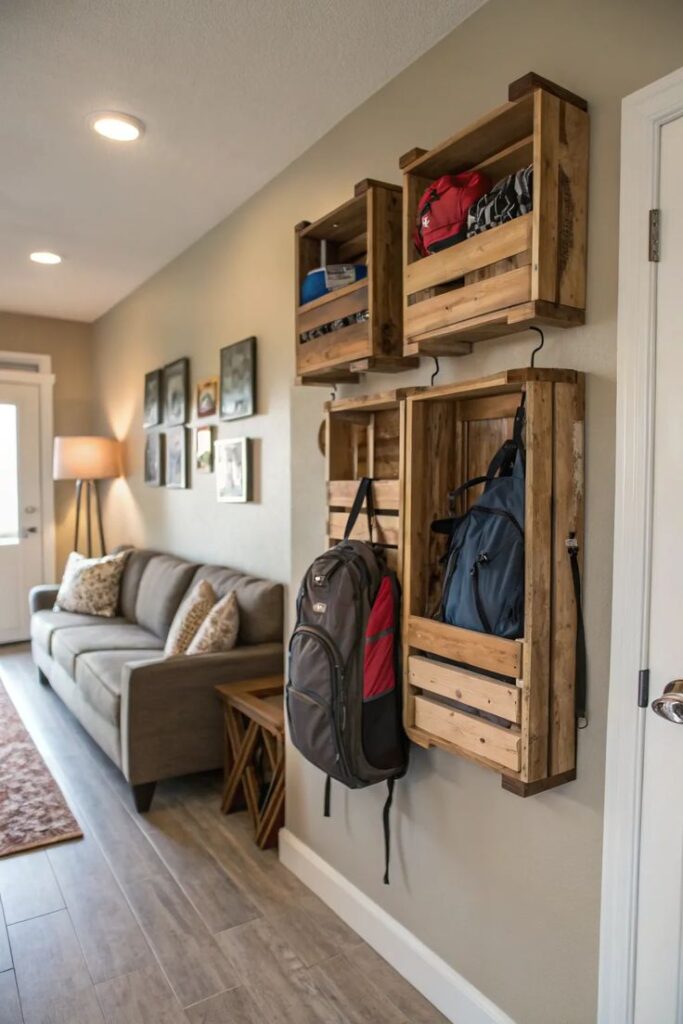
An old wooden ladder, leaned against a wall, makes a surprisingly stylish and functional backpack rack. Each rung holds a backpack, and the piece itself doubles as rustic decor.
Weathered wood ladders suit farmhouse and cottage styles beautifully. Add a coat of white or gray paint for a more coastal feel, or leave natural wood tones for cabin-inspired spaces.
This idea costs little if you already have an old ladder lying around, and it adds serious character compared to standard hooks. It transitions nicely into more structured vertical wall systems for maximizing space.
21. Vertical Slat Wall System
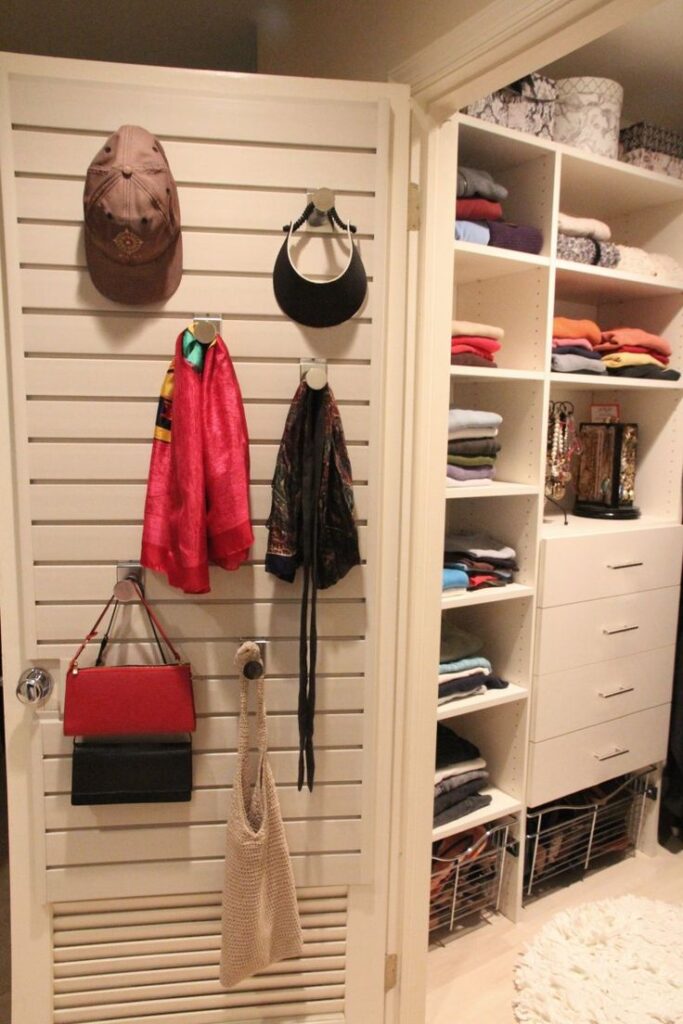
Slat wall panels, often seen in retail stores, offer incredibly flexible backpack storage since hooks and shelves can slide anywhere along the grooves. This adapts as your family’s needs change over time.
Wood-toned slat walls suit natural, organic decor styles, while painted versions in white or black fit modern homes. These systems handle heavier loads than pegboards typically can.
Practical tip: install slat wall panels vertically in narrow entryways where horizontal shelving won’t fit. This adaptable system flows into combination units that maximize function in tight spaces.
22. Bench with Cubbies and Hooks Combo
Combining a bench, cubbies, and hooks into one unit creates the ultimate all-in-one backpack storage station. This works exceptionally well for larger families needing seating, shoe storage, and backpack hooks all in a single footprint.
Choose a unified finish—matching wood tones or a single paint color—to keep the piece looking intentional rather than mismatched. Cushion the bench top in a durable, wipeable fabric since entryways see a lot of wear.
This is a bigger investment but solves multiple problems at once. It works across nearly every home style when finishes are chosen thoughtfully. Wire storage offers a lighter, airier alternative next.
23. Wire Basket Wall Grid

Wire grid panels with clip-on baskets offer a trendy, industrial-meets-modern backpack storage solution. These grids look great in teen bedrooms, home offices, or entryways wanting a more editorial aesthetic.
Black or gunmeal wire grids pair well with exposed brick or concrete accents. Add small potted plants or photos between baskets for a personalized touch beyond pure function.
Practical tip: use grid clips rated for at least 5 pounds per basket to avoid sagging over time. This trendy system pairs well with tower storage for households with multiple children.
24. Labeled Bin Tower for Multiple Kids

For families with three or more kids, a tower of stacked, labeled bins keeps backpack storage from becoming an overwhelming pile. Each bin slides in and out independently, making mornings faster since everyone knows their exact spot.
Clear bins let you see contents instantly, while colored bins assigned per child add a fun, personalized system. Choose a tower frame in black metal for durability under daily wear and tear.
This solution scales easily as families grow—just add another tier. It works particularly well in larger mudrooms or basement entryways. Finally, let’s cover seasonal rotation, an idea most articles skip entirely.
25. Seasonal Rotation Storage Bin

Here’s something most backpack storage guides miss completely: what happens to backpacks during summer break or holidays when they’re not in daily use? A dedicated seasonal storage bin, tucked in a closet or garage shelf, keeps off-season backpacks from cluttering daily spaces.
Use a clearly labeled, lidded bin stored on a high closet shelf. This keeps backpacks dust-free and out of the way until school starts again, freeing up your entryway hooks or cubbies for daily-use items like gym bags or purses.
Practical tip: clean out backpacks before seasonal storage—crumbs and forgotten snacks turn into unpleasant surprises otherwise.
Backpack Storage Solutions Compared by Space and Budget
| Storage Idea | Best For | Approximate Cost | Space Required | Skill Level |
|---|---|---|---|---|
| Wall-Mounted Hooks | Any entryway | $15-$40 | Minimal | Beginner |
| Entryway Bench | Families with kids | $100-$400 | Moderate | Beginner |
| Cubby System | Multi-child homes | $150-$500 | Moderate-Large | Intermediate |
| Pegboard Wall | Garages, mudrooms | $30-$80 | Moderate | Beginner |
| Over-Door Hooks | Renters | $10-$25 | Minimal | Beginner |
| Mudroom Lockers | Larger families | $300-$1000+ | Large | Advanced |
| Rolling Cart | Apartments | $50-$150 | Minimal | Beginner |
| Built-In Cubbies | Permanent homes | $500-$2000+ | Large | Professional |
| Command Hooks | Renters | $10-$20 | Minimal | Beginner |
| Ladder Rack | Rustic/farmhouse homes | $20-$60 | Minimal | Beginner |
Material Durability for Backpack Storage Hardware
| Material | Weight Capacity | Best Environment | Maintenance Level |
|---|---|---|---|
| Matte Black Metal | 15-25 lbs | Indoor, dry | Low |
| Brushed Nickel | 10-20 lbs | Indoor, humid-resistant | Low |
| Painted Wood | 8-15 lbs | Indoor, dry | Medium |
| Wicker/Rattan | 5-10 lbs | Indoor, dry | Medium |
| Command Strips | 5-15 lbs | Indoor, temp-stable | Low |
| Wire Grid | 10-15 lbs per basket | Indoor, dry | Low |
Tips for Success
Getting backpack storage right isn’t just about buying the right hooks or bins—it’s about matching the system to how your family actually behaves.
- Measure backpacks when fully loaded, not empty, before choosing hook weight ratings
- Install hooks and cubbies at heights kids can actually reach without help
- Assign specific spots per person rather than one communal pile
- Choose washable or wipeable materials near entryways since backpacks track in dirt
- Leave a little extra space between hooks so bulky backpacks don’t overlap
Common Mistakes and How to Avoid Them
I’ve watched plenty of well-intentioned backpack storage systems fail within a month. Here’s why, and how to sidestep these issues.
Mistake: Choosing hooks too small for the weight
How to avoid: Always check weight ratings and round up, since loaded backpacks are heavier than they look.
Mistake: Placing storage too high for young kids
How to avoid: Install at a height your child can reach independently, adjusting as they grow.
Mistake: Skipping labels in multi-kid households
How to avoid: Add name tags or color-coding immediately, even if it feels unnecessary at first.
Mistake: Ignoring seasonal storage needs
How to avoid: Set up a separate bin or shelf for off-season backpacks so daily storage doesn’t get cluttered.
Mistake: Overcrowding a small entryway with too many storage pieces
How to avoid: Choose one or two combined solutions, like a bench with hooks, rather than five separate pieces.
Similar Variations You Can Try
If none of these 25 ideas fit your exact space, here are a few variations worth considering:
- Combine a shoe rack with a hook rail for a two-in-one entry solution
- Use tension rods inside a closet as makeshift hanging bars for backpack straps
- Repurpose an old dresser by removing drawers and adding hooks inside
- Install a magnetic strip for metal-clipped backpacks in modern homes
- Build a small chalkboard message center alongside your hook system for reminders
Final Thoughts
Backpack storage doesn’t have to be complicated or expensive. Whether you go with simple wall hooks or invest in custom-built cubbies, the goal stays the same: give every backpack a home so mornings run smoother and entryways stay clear. I’ve shown you 25 different approaches here, plus the mistakes to avoid and variations worth trying, so you’ve got everything you need to pick the right backpack storage solution for your own home.