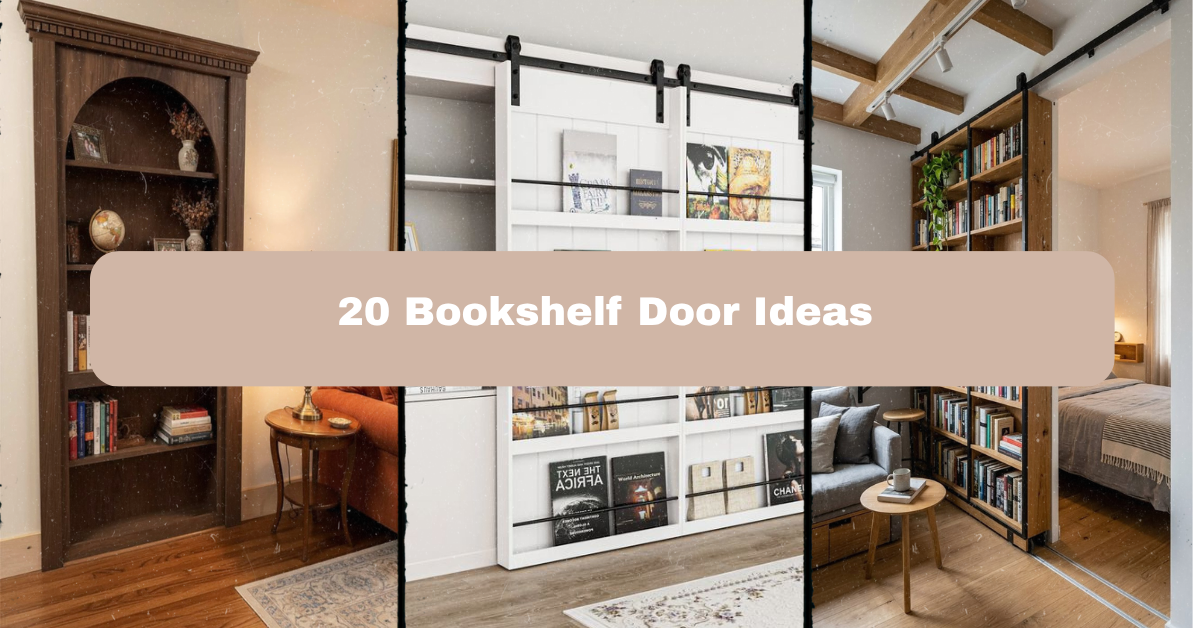
20 Bookshelf Door Ideas That Turn Storage Into a Secret Statement
For years now, I have been doing research on home designs. One thing I know is that few things make people go ‘wow’ like a bookshelf door. From doing tons of research on these bookshelf doors, consulting carpenters and even trying what really works, I can tell you for sure what makes a fabulous bookshelf door.
What then are the best bookshelf door ideas? The best ideas include pivot hinges, sliding barn shelf doors, spring latch push doors, library ladders with hidden entry doors and hidden hardware bookshelf door systems.
Stay tuned though because I am just getting started. I will take you through the cost ranges of each type of door system, typical errors made when installing them and a comparative data chart of the various mechanisms.
Why Bookshelf Doors Are Having a Moment
The truth is, people really do need storage space and they really do want privacy and a touch of magic in their homes. I understand. Would you not love to be able to push a book titled “War and Peace” against the wall to see it swing open?
However, the reality is, while the look of a bookcase door might appear magical in a photograph, the reality is it takes more to last for ten years. I will discuss weight distribution, hinges, and reinforced walls and how these are much more important than most articles will tell you.
1. Classic Pivot Hinge Bookcase Door

Here’s the classic among secret entryways. An entire bookshelf installed on a sturdy hinge opens from just one vertical axis, normally located along one of its edges. The trick is that it seems like an immovable fixture until you try it out. Choose furniture made from solid wood or plywood with hardwood overlay—MDF will bow with time due to the weight of the books on it. Opt for a neutral finish (walnut, oak, or painted white) so that the door blends into the surrounding molding. Decorate with some bookends and pretend book spines around the hinge side to conceal any metal elements. Suitable for traditional and craftsman styles, though the matte black version can work well in contemporary settings. Now, the lighter option.
2. Sliding Barn-Style Bookshelf

When the pivot door seems too bulky, a sliding barn bookshelf can be your choice. It moves on a track placed at the top of the frame just like barn doors do, but it is actually an overloaded shelf. This is perfect for narrow hallways, where opening a swing door might bump into some pieces of furniture. Make sure that the track you choose holds at least 150 pounds of weight. You can combine distressed wood with black iron hardware if you want to have a farmhouse interior, or walnut with brushed nickel for a more transitional design. One of the useful tips would be leaving a little bit of dead space below the track for some dust and debris to accumulate without blocking the movement of the door. Now let’s talk about another mechanism without much hardware involved.
3. Push-to-Open Spring Latch Shelf
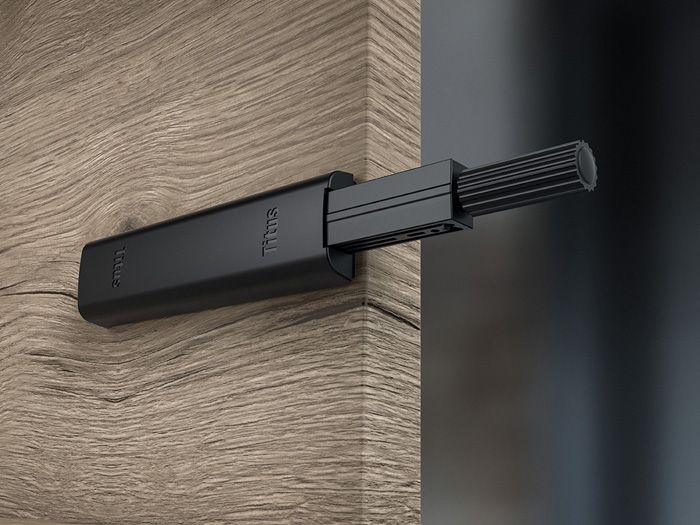
No visible handles, no hinges in sight—just a gentle push and the shelf pops open. This works using a spring-loaded latch hidden inside the cabinet frame. It’s ideal for people who want a truly seamless look, with zero visual clues that a door exists. Use lightweight materials like engineered wood to reduce strain on the latch mechanism, and keep the color matched exactly to adjoining walls or trim. Skip heavy decor on the shelf near the latch point since repeated pushing can loosen decorations. This is a favorite in modern and minimalist homes where clean lines matter most. It’s a little trickier to install correctly, so professional help is worth the money here. Let’s move to something with old-world charm.
4. Library Ladder Combo Door

Picture floor-to-ceiling shelves, a rolling ladder, and one section that swings open into a hidden room. This combo adds function and drama at once. Choose tall, narrow shelving units to maximize the ceiling-height illusion, and pick a ladder finish that matches your door hardware—brass, matte black, or brushed steel all work. Fill the shelves with a mix of book heights and a few decorative objects to avoid a too-perfect, staged look. Practical tip: mount the ladder rail slightly forward of the door section so the ladder doesn’t block the swing path. This idea shines in traditional libraries, studies, and homes with high ceilings. Next, a version built for renters and smaller budgets.
5. Freestanding Bookcase Door (No Wall Cutting Required)

Not everyone can modify a wall, and that’s fine. A freestanding bookcase mounted on heavy-duty casters or a floor-mounted pivot can swing away from a doorway without any structural changes. This is perfect for renters or anyone testing the look before committing. Choose a bookcase slightly wider than the doorway opening so it fully covers the gap when closed. Stick with medium-weight books and lightweight decor to keep the unit easy to move. A neutral wood tone works with almost any style, making this idea flexible for modern, transitional, or eclectic homes. It’s not as seamless as a built-in, but it’s budget-friendly and reversible. Now, let’s get into color and pattern play.
6. Color-Blocked Bookshelf Door

Who says a hidden door needs to hide completely? A color-blocked bookshelf door embraces bold paint choices—think deep emerald, terracotta, or navy—on the shelf frame while keeping books and decor as contrast. This works because it turns the door into a statement piece instead of a secret. Pair the bold color with brass or gold hardware for warmth, or matte black for a modern edge. A tip here: keep the surrounding wall a neutral shade so the color pops without clashing. This idea suits eclectic, bohemian, and maximalist homes especially well. Ready for something with a bit more shine?
7. Mirrored Backing Bookshelf Door
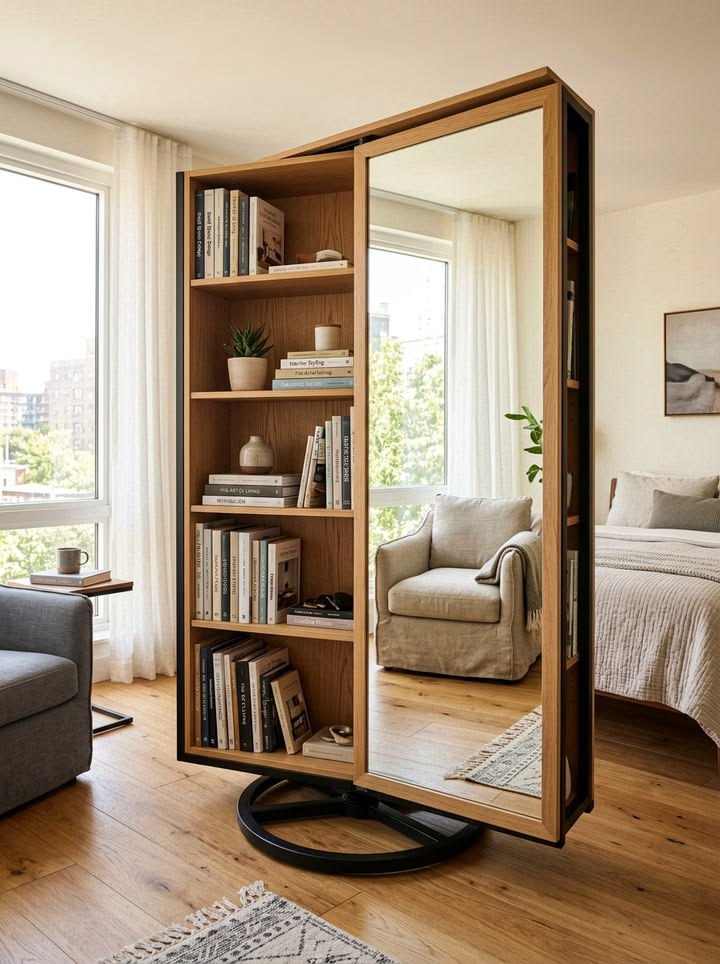
Adding a mirrored panel behind the shelf boards creates depth and light, especially in smaller rooms. This idea tricks the eye, making a room feel bigger while still functioning as a hidden door. Use thin mirrored acrylic instead of glass to keep weight manageable on the hinge. Stick to a light wood or white frame so the mirror reflects brightly without visual clutter. Avoid overly cluttered book arrangements here, since the mirror effect works best with clean, simple lines. This works beautifully in contemporary and Scandinavian-style homes. Next, let’s cover a rustic favorite.
8. Reclaimed Wood Rustic Bookshelf Door

Reclaimed wood brings texture and history into a room, and it hides a door surprisingly well because the imperfections distract from any seams. Choose barn wood or salvaged floorboards with visible grain and knots. Pair with iron hardware and warm-toned lighting to enhance the rustic feel. A helpful tip: seal the wood with a matte polyurethane to prevent splinters from frequent handling. This design fits farmhouse, cottage, and rustic-industrial homes perfectly. Let’s shift gears to something sleek and modern.
9. Flush Panel Modern Bookshelf Door
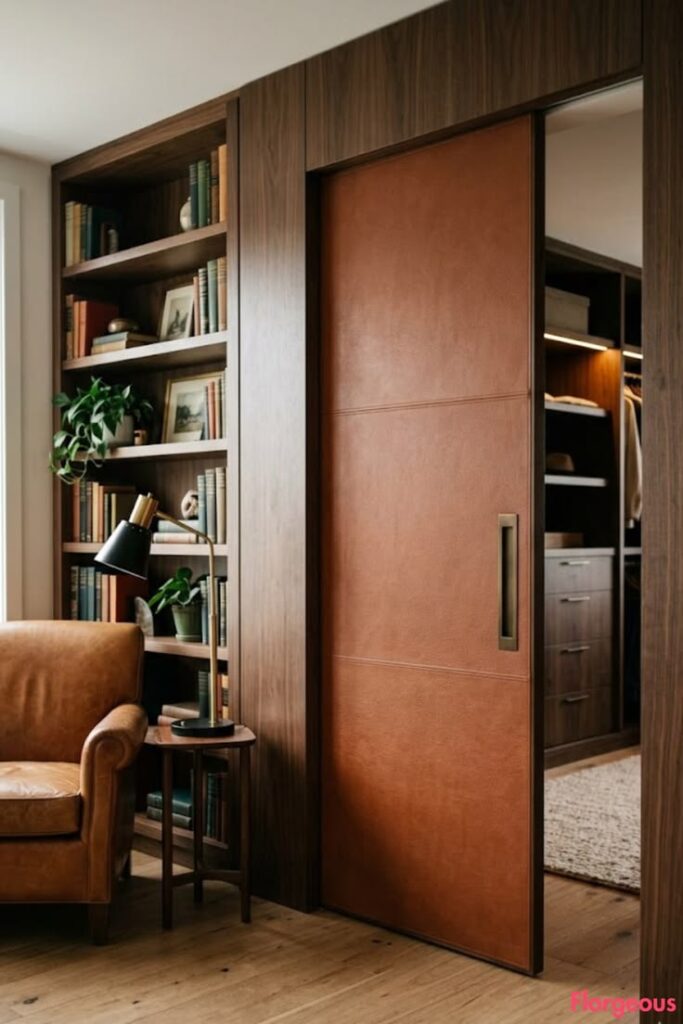
For minimalists, a flush panel design keeps everything level with the wall—no protruding trim, no visible frame. Shelves sit inside a recessed cavity so the door reads as part of the architecture. Choose high-gloss or matte lacquer finishes in white, gray, or black. Keep book colors monochromatic to maintain the sleek look. This is trickier to build since it requires precise wall recessing, so budget for a skilled carpenter. This style is a dream for modern and minimalist homes. Now, let’s talk about a playful option for kids’ spaces.
10. Kid-Friendly Cartoon Bookshelf Door

Kids’ rooms deserve their own hidden-door magic. A cartoon or castle-themed bookshelf door turns a playroom into an adventure. Use lightweight, rounded-edge shelving for safety, and add soft-close hinges to prevent pinched fingers. Bright primary colors and playful hardware shaped like animals or stars keep the theme fun. A tip: anchor the unit extra securely since kids will test it constantly. This idea is perfect for whimsical, themed children’s bedrooms. Next, a design for wine lovers.
11. Wine Cellar Reveal Bookshelf

This one’s a showstopper. A bookshelf door that opens to reveal a wine cellar or bar area combines two beloved home features. Use a sturdy pivot mechanism since wine storage areas are often below grade or behind thick walls. Choose dark wood tones and moody lighting to build anticipation before the reveal. A practical tip: install a small light sensor inside the cellar so it activates automatically when the door opens. This suits traditional, Mediterranean, and modern farmhouse homes. Let’s look at a smaller-scale version next.
12. Half-Height Bookshelf Door for Low Openings
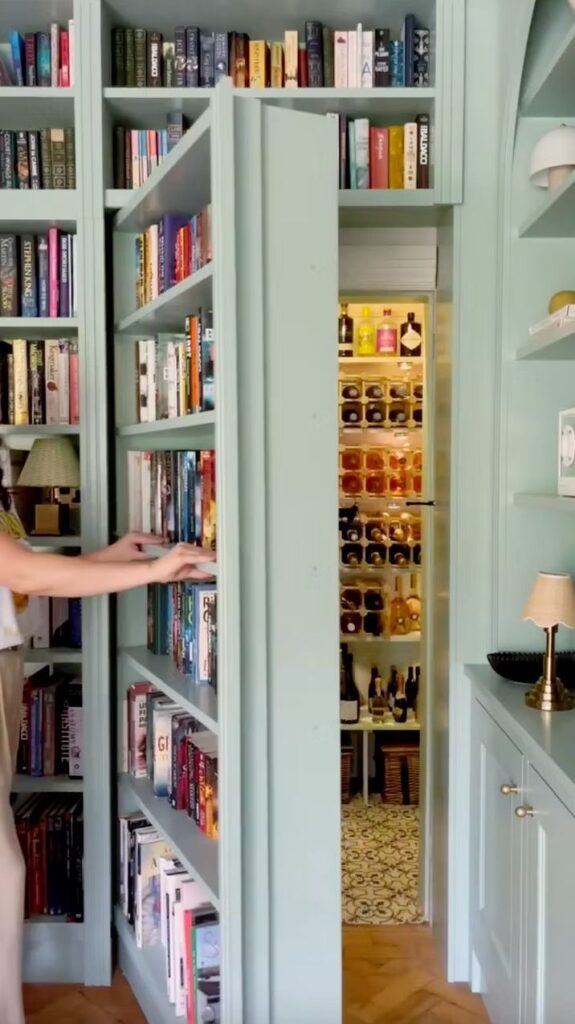
Not every hidden door needs to reach the ceiling. A half-height version works for closets, crawl spaces, or storage nooks. Choose a compact bookshelf with two or three rows, keeping the design proportional to the opening. Match trim color to baseboards for a seamless blend. This is a great DIY-friendly option since the smaller size reduces weight and installation complexity. It fits well in cottage, farmhouse, and transitional homes. Now for something with a techy twist.
13. Remote-Controlled Bookshelf Door

For the tech-lovers among us, a motorized bookshelf door opens with the push of a button or a smartphone app. This works using a discreet motor and track system hidden inside the wall cavity. Choose a lightweight shelving material to reduce strain on the motor. Keep the design simple and modern so the tech feels like a natural extension of the room, not a gimmick. A tip: always include a manual override in case of power loss. This suits modern, smart-home-focused interiors. Let’s slow things down with a cozy reading nook idea.
14. Reading Nook Entrance Bookshelf

Instead of hiding a whole room, this idea hides a small reading nook behind a bookshelf door. Add a built-in bench, soft cushions, and warm lighting inside. Choose a door design that matches the coziness of the nook—wood tones, soft edges, and vintage hardware work well. A helpful tip: use LED strip lighting along the inside frame so the nook feels inviting the moment the door opens. This fits cottagecore, traditional, and eclectic homes. Next, a design perfect for home offices.
15. Home Office Hidden Bookshelf Door

Working from home means privacy matters more than ever. A bookshelf door leading to a home office keeps work life visually separate from the rest of the house. Choose soundproofing insulation within the wall cavity if possible, since this door style often doubles as noise reduction. Stick to professional, muted tones like navy, charcoal, or deep green. A tip: add a lock mechanism on the inside for privacy during calls. This suits modern, transitional, and traditional homes alike. Now, a design that plays with symmetry.
16. Double Bookshelf Door (French Door Style)

Instead of one swinging shelf, this idea uses two symmetrical bookshelves that open like French doors. It creates a grand entrance effect, perfect for formal living rooms or studies. Choose matching finishes and symmetrical book arrangements on both sides for visual balance. A practical tip: install floor-mounted door stops to prevent the shelves from swinging too far and hitting adjacent walls. This works beautifully in traditional and formal transitional homes. Let’s cover an outdoor-adjacent option next.
17. Sunroom or Patio Bookshelf Door

Bookshelf doors aren’t just for interior walls. Leading into a sunroom or covered patio, this idea uses weather-resistant materials since the shelf may face temperature shifts. Choose sealed wood or weatherproof laminate, and keep decor light to avoid warping issues from humidity. A tip: add weatherstripping around the frame edges to prevent drafts. This fits farmhouse, cottage, and indoor-outdoor modern homes. Now, a design for the ultimate book lovers.
18. Floor-to-Ceiling Grand Library Door

This is the showpiece option—an entire wall of shelving where one hidden section leads to another room entirely. Because of the scale, structural reinforcement is a must; consult a contractor about load-bearing considerations. Choose rich wood tones, brass ladder rails, and classic hardback book arrangements for an old-world library feel. A tip: number or color-code your books subtly so you always remember which section hides the door. This suits grand traditional, historic, and formal transitional homes. Let’s wrap up the design list with a budget-conscious favorite.
19. Curtain-Backed Bookshelf Door

For renters or anyone wanting a soft, textile touch, adding a curtain behind an open-back bookshelf creates a hidden-door illusion without any real mechanism—simply a decorative shelf in front of a doorway with a curtain drawn across for privacy. Choose linen or cotton curtains in colors that complement the wood tones. This is the most budget-friendly and easiest to DIY. It fits bohemian, cottage, and casual eclectic homes. Finally, let’s finish with a design combining several elements.
20. Multi-Functional Storage Wall Door
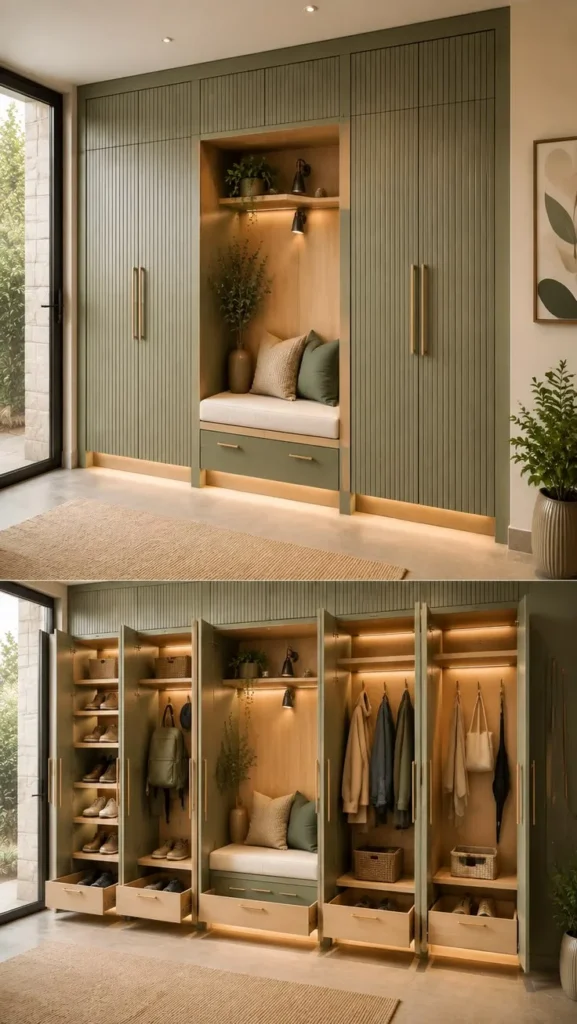
The last idea combines shelving, cabinets, and a hidden door into one cohesive wall unit. This works well in open-concept homes needing storage and privacy in one footprint. Mix closed cabinet sections with open shelving, keeping the hidden door section disguised among both. Choose a unified color and material palette throughout so the door doesn’t stand out. A tip: label internal cabinet contents so the storage stays organized despite the disguised entry. This suits modern, transitional, and small-space homes needing multi-purpose solutions.
Mechanism Comparison Table
| Mechanism Type | Avg. Weight Capacity | Difficulty to Install | Best For | Estimated Cost Range |
|---|---|---|---|---|
| Pivot Hinge | 300–500 lbs | Moderate to High | Traditional, formal rooms | $800–$3,000 |
| Sliding Barn Track | 150–300 lbs | Moderate | Hallways, farmhouse style | $400–$1,500 |
| Push-to-Open Spring Latch | 100–200 lbs | High | Minimalist, modern spaces | $600–$2,500 |
| Motorized/Remote | 150–250 lbs | High (pro install recommended) | Smart homes | $1,500–$5,000 |
| Freestanding on Casters | 200–350 lbs | Low | Renters, temporary setups | $200–$800 |
Tips for Success
- Always reinforce the wall studs or framing before mounting heavy shelving—drywall alone won’t hold the weight.
- Use soft-close hinges wherever kids or pets are involved.
- Balance book weight evenly across shelves to prevent sagging or tilting over time.
- Test the swing or slide path multiple times before adding all your books and decor.
- Match hardware finishes to existing door handles and light fixtures for a cohesive look.
Common Mistakes and How to Avoid Them
Definition List:
Overloading the shelves: Too many heavy books strain hinges and tracks. Distribute weight evenly and choose lightweight decor for upper shelves.
Skipping professional installation: Pivot and motorized doors involve real structural work. Hire a contractor for anything beyond a freestanding unit.
Ignoring humidity and temperature: Wood doors near sunrooms or bathrooms can warp. Seal wood properly and choose moisture-resistant materials.
Poor color matching: A door that’s an obvious color mismatch defeats the whole “hidden” purpose. Test paint and stain samples against your existing trim first.
Forgetting the swing path: A door that hits furniture or walls when opened is a common oversight. Measure the full arc or slide distance before finalizing placement.
Similar Variations Worth Exploring
- A hidden bookshelf door leading to a safe room or panic room for added security.
- A bookshelf door disguised as a pantry entrance in kitchen-adjacent spaces.
- A rotating bookshelf (rather than swinging) for a 360-degree reveal effect.
- Combining bookshelf doors with under-stair storage for compact homes.
- Using fake book spines exclusively (no real books) for a lighter, budget-friendly build.
I’ve walked you through twenty bookshelf door ideas, from grand libraries to budget-friendly curtain tricks, and I hope you found the one that fits your space and your style. Whatever you choose, remember that a great bookshelf door isn’t just about the surprise—it’s about building something sturdy enough to enjoy for years to come.