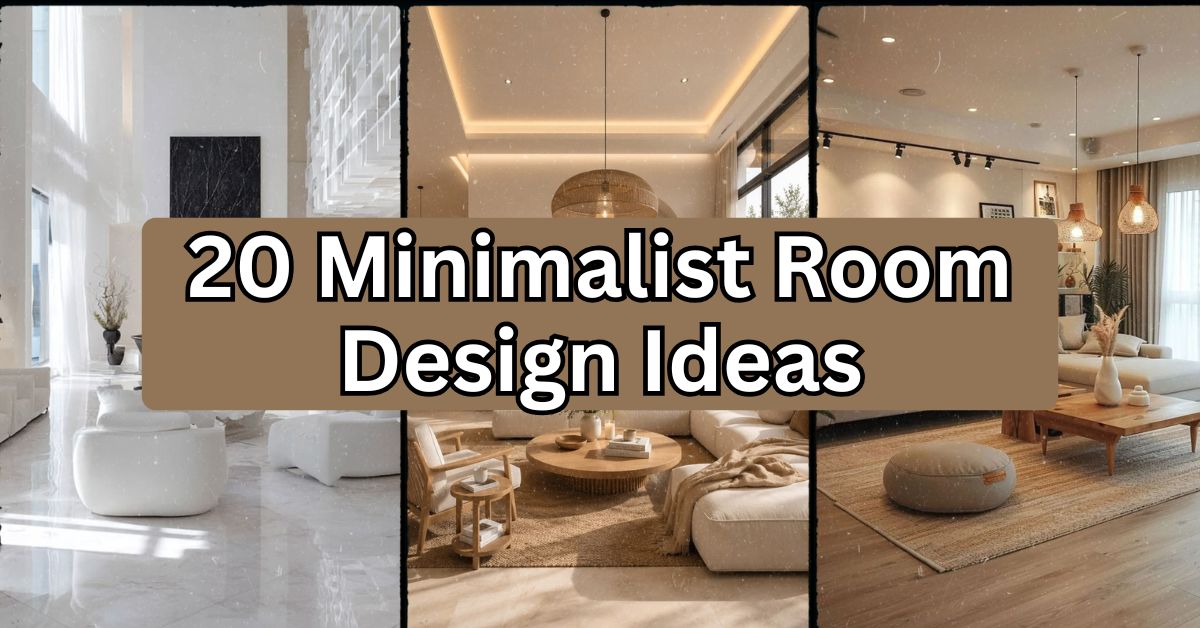
20 Minimalist Room Design Ideas That Actually Work
In my experience, it took me many years to test out minimalist room design techniques in my own house and have enough experience talking with interior designers to know what makes a room look calming rather than bare. This article is based on interior designing principles, so you can rest assured that the information provided is reliable.
Then, what makes a minimalist room design work? The idea of a minimalist room design is to have a small number of high-quality elements that serve a specific function within your room and create calmness with the help of colors and furniture.
Let’s take a look at 20 minimalist room designs with furniture options and color combinations.
Let’s Talk About What “Minimalist” Really Means
Here’s the thing. A lot of folks think minimalist means boring or cold. It doesn’t have to be that way at all. I think of minimalism as intentional living translated into a room. Every chair, every lamp, every throw pillow earns its spot. Nothing sits there just because it “looks nice in the corner.” Once you get that mindset down, picking furniture and colors becomes way easier. You start asking, “Does this piece add value?” instead of “Do I like this?” Let’s get into the actual ideas now.
1. The Monochrome Sanctuary

A monochrome room built around one color family feels instantly calm because your eyes never have to work hard. Pick a base tone, say soft gray, then layer in three or four shades of that same color across your walls, sofa, and rug. Add texture through a chunky knit throw or a leather armchair so the room doesn’t feel flat. Keep decorative items to a bare minimum, maybe one ceramic vase and a piece of framed art. This style suits modern and contemporary homes best, though a muted version works in traditional spaces too. Next up, let’s brighten things with a Japandi approach.
2. Japandi Fusion

Japandi blends Japanese simplicity with Scandinavian warmth, and honestly, it’s one of my favorite minimalist styles. Furniture stays low to the ground, think platform beds and floor-level seating, paired with natural materials like bamboo, oak, and rattan. Colors lean toward warm beige, soft taupe, and charcoal accents. Decorative elements stay sparse: a single bonsai tree, a linen curtain, maybe a handmade ceramic bowl. My tip? Choose furniture with visible wood grain to add organic texture without clutter. This works beautifully in mid-century and modern homes. From here, let’s go full Scandinavian.
3. Scandinavian Simplicity

Scandinavian minimalism is all about light, function, and coziness, often called “hygge.” White walls, light wood floors, and simple furniture with clean lines define this look. Add warmth through wool throws, sheepskin rugs, and soft candlelight. Keep your color scheme mostly white and beige with occasional black accents for contrast. A practical tip here: invest in multi-functional furniture like a storage ottoman to keep surfaces clear. This style fits nearly any home, from apartments to farmhouses. Now let’s warm things up even more with natural wood tones.
4. Warm Minimalism with Natural Wood

If stark white rooms feel too cold for you, warm minimalism might be your answer. This approach uses wood furniture, terracotta accents, and cream-colored walls to keep things soft and inviting. Choose a solid wood coffee table, linen sofa, and woven baskets for storage. Avoid glossy finishes; matte and natural textures work better here. My advice: stick to earthy tones like rust, olive, and sand for accessories. This style suits rustic, farmhouse, and traditional homes especially well. Speaking of texture, let’s head into industrial territory next.
5. Industrial Minimalist Loft

Exposed brick, black metal fixtures, and concrete floors define industrial minimalism. Furniture should feel sturdy and raw, think leather sofas and steel-frame shelving. Keep your palette to black, gray, and rust with minimal decor like a single oversized clock or metal wall art. A smart tip is to use exposed ductwork or pipes as design features instead of hiding them. This style naturally suits lofts and urban apartments, though it can work in suburban homes with the right lighting. Let’s shift gears to something lighter now.
6. All-White Gallery Room

An all-white room turns your space into a living art gallery. White walls, white furniture, and white textiles create a blank canvas that lets architecture and light take center stage. Add depth with varying textures, like a bouclé chair against a smooth linen sofa. Keep decor to one bold piece, maybe a black-framed painting or a single sculptural vase. Tip: layer different whites (cream, ivory, pure white) to avoid a sterile look. This style shines in modern and contemporary homes. Now let’s try something a little earthier.
7. Earthy Neutral Retreat

Earthy neutrals like sand, clay, and moss green create a grounding, retreat-like feel. Choose furniture in natural linen or cotton, and add stone or wood accents for texture. A jute rug and rattan light fixture round out the look nicely. Keep wall art simple, botanical prints or abstract line drawings work well. My tip: bring in one large plant to reinforce the natural theme without overcrowding the space. This style fits bohemian, coastal, and farmhouse homes alike. Next, let’s explore bold contrast.
8. Black and White Contrast

Sometimes minimalism means playing with contrast instead of avoiding it. Black and white rooms use sharp lines and clear color separation to create drama without clutter. A white sofa against a black accent wall, paired with chrome or matte black light fixtures, does the trick. Keep decorative pieces to geometric shapes or abstract art in black frames. Tip: use black window frames or door trim to tie the contrast together architecturally. This style suits modern and Art Deco-inspired homes especially well. Let’s move into the bedroom now.
9. Minimalist Bedroom with Platform Bed

A platform bed instantly makes a bedroom feel more minimalist because it removes the bulky headboard and box spring look. Pair it with floating nightstands and a simple linen duvet in white or gray. Skip the excess pillows, three max, and keep lighting soft with a single pendant or wall sconce. A great tip is to use under-bed storage instead of a dresser to reduce visual clutter. This style works in nearly every home style, from modern to traditional. Now let’s carve out a quiet corner.
10. Zen-Inspired Reading Nook

Every home deserves one calm corner, and a Zen reading nook fits that need perfectly. Use a low armchair or floor cushion, a small side table, and a floor lamp with warm lighting. Stick to neutral tones like beige and soft gray, and add one plant for a natural touch. Tip: position the nook near a window for natural light during the day. This idea works in almost any room and suits minimalist, Japandi, or traditional homes alike. Let’s zoom out to the whole living space next.
11. Open-Concept Minimalist Living

Open-concept minimalism removes walls and clutter to let space breathe. Furniture should be low-profile so sightlines stay clear across the room. Choose a neutral color palette throughout to create visual continuity between kitchen, dining, and living areas. Rugs help define zones without needing physical dividers. Tip: use furniture with exposed legs to make pieces feel lighter and less bulky. This style is ideal for modern homes and lofts but can work in ranch-style houses too. Now, let’s take minimalism to the coast.
12. Coastal Minimalism

Coastal minimalism uses soft blues, whites, and natural fibers to bring a beachy calm indoors. Choose a linen sofa, rattan chairs, and a jute rug for texture. Keep decor limited to one or two nautical-inspired pieces, like a piece of driftwood art. Avoid overly bright colors; muted blues and sandy neutrals work best. Tip: use sheer curtains to let in maximum natural light. This style fits coastal, cottage, and modern farmhouse homes especially well. Let’s move into a more functional space now.
13. Minimalist Home Office

A cluttered desk kills focus, so minimalist home offices focus on clean surfaces and hidden storage. Choose a simple desk with drawers, a comfortable but streamlined chair, and closed shelving units. Stick to white, gray, or wood tones to keep the space calm. Tip: use cable organizers to hide cords, since visible wires instantly break the minimalist look. This works in modern and Scandinavian-style homes especially well. Now let’s head into the kitchen.
14. Monochrome Kitchen Minimalism

Kitchens get cluttered fast, so a monochrome approach with white or gray cabinetry and matching countertops keeps things visually calm. Store appliances in cabinets rather than on counters. Choose one accent color, maybe black hardware or a single colorful bowl, to add interest. Tip: open shelving should hold only frequently used items, everything else stays hidden. This style suits modern and transitional kitchens well. Let’s move to a room we often forget: the bathroom.
15. Minimalist Bathroom Retreat

Bathrooms benefit hugely from minimalism because clutter there feels especially chaotic. Choose floating vanities, simple fixtures, and neutral tile in white, gray, or beige. Keep countertops clear by storing toiletries in drawers or a single tray. Tip: use a large mirror to make the space feel bigger and brighter. This style fits spa-like modern bathrooms and can work in traditional homes with softer tile choices. Now let’s add a boho twist to minimalism.
16. Boho Minimalism

Boho minimalism keeps the relaxed, textured feel of bohemian style but trims down the clutter. Choose one statement rug, a rattan chair, and simple macrame wall hangings instead of covering every wall. Stick to warm neutrals with one or two pops of color like terracotta or mustard. Tip: limit plants to two or three larger ones instead of a dozen small ones. This style works great in eclectic, coastal, and farmhouse homes. Let’s design a room for the kids next.
17. Minimalist Kids’ Room

Kids’ rooms can still be fun without being overloaded with toys and colors everywhere. Choose a simple bed frame, one toy storage bench, and open shelving for books. Stick to two or three colors max, maybe white, soft blue, and a wood tone. Tip: rotate toys seasonally so only a few are visible at a time, this keeps the room tidy and calm. This style suits modern and Scandinavian nurseries especially well. Now let’s try a moodier take on minimalism.
18. Dark Academia Minimalism

Dark academia minimalism swaps bright whites for deep charcoal, navy, and forest green tones. Furniture leans traditional, think leather armchairs and wood bookshelves, but kept sparse and organized. Limit decor to a few leather-bound books and one piece of framed art. Tip: use warm brass lighting fixtures to soften the darker palette. This style suits traditional and academic-inspired homes best. Let’s head to the entryway now.
19. Minimalist Entryway Design

Entryways set the tone for your whole home, so keeping them minimal matters. Choose a small bench, a single hook rail, and closed storage for shoes. Stick to neutral tones with one accent piece, like a mirror or small art print. Tip: avoid overcrowding with too many hooks or baskets, pick function over quantity. This style fits nearly every home style since entryways are usually small. Finally, let’s close with a sustainable approach.
20. Sustainable Minimalist Room

Sustainable minimalism combines eco-friendly materials with a clean, uncluttered look. Choose furniture made from reclaimed wood, organic cotton textiles, and low-VOC paint in neutral tones. Decorate with secondhand or vintage finds instead of buying new. Tip: prioritize quality over quantity, one well-made chair beats three cheap ones environmentally and aesthetically. This style fits modern, farmhouse, and eco-conscious homes of any kind.
Minimalist Design Elements at a Glance
| Room Type | Best Color Palette | Key Furniture Pieces | Focal Point |
|---|---|---|---|
| Living Room | Gray, white, taupe | Low-profile sofa, glass coffee table | Statement art or fireplace |
| Bedroom | Beige, soft white | Platform bed, floating nightstand | Bed itself |
| Kitchen | White, gray | Handleless cabinets, island | Countertop material |
| Bathroom | White, light gray | Floating vanity, wall mirror | Mirror or tile pattern |
| Home Office | Wood tone, white | Simple desk, closed shelving | Desk area |
| Entryway | Neutral, one accent | Bench, hook rail | Mirror |
Tips for Success
- Choose one color family and stick to it across the room.
- Buy furniture that serves at least two purposes, like storage ottomans.
- Keep decorative items to groups of one or three, never overcrowd shelves.
- Prioritize natural light with sheer curtains or no curtains at all.
- Invest in fewer, higher-quality pieces rather than filling space with cheap items.
Common Mistakes and How to Avoid Them
Too Much Empty Space
: Minimalism doesn’t mean bare walls and empty corners. Add texture through rugs, throws, or a single plant to keep the room feeling lived-in.
Ignoring Storage
: Clutter kills minimalism fast. Choose furniture with hidden storage, like beds with drawers or ottomans that open up.
Overusing White
: An all-white room can feel sterile if you don’t add texture. Mix in wood tones, linen, or wool to soften the look.
Skipping Lighting Layers
: One overhead light isn’t enough. Add floor lamps or wall sconces for warmth and depth.
Buying Trendy Pieces
: Trend-driven furniture goes out of style fast. Stick to timeless shapes and neutral colors for longevity.
Similar Variations You Can Try
- Wabi-Sabi Minimalism – embraces imperfection with rough textures and asymmetry.
- Mid-Century Minimalism – combines minimalist principles with retro furniture shapes.
- Farmhouse Minimalism – blends rustic wood with clean, simple lines.
- Luxury Minimalism – uses high-end materials like marble and brass in a sparse layout.
- Tropical Minimalism – incorporates rattan and greenery while keeping furniture minimal.
I hope this gave you a real toolkit instead of just eye candy. Minimalist room design isn’t about owning less for the sake of it, it’s about choosing pieces that actually make your daily life easier and calmer. Whether you go monochrome, Japandi, or full-on industrial, the core rule stays the same: every item in the room should earn its place.
Start small if all this feels overwhelming. Pick one room, clear the clutter, and build from there using the minimalist room design ideas above.