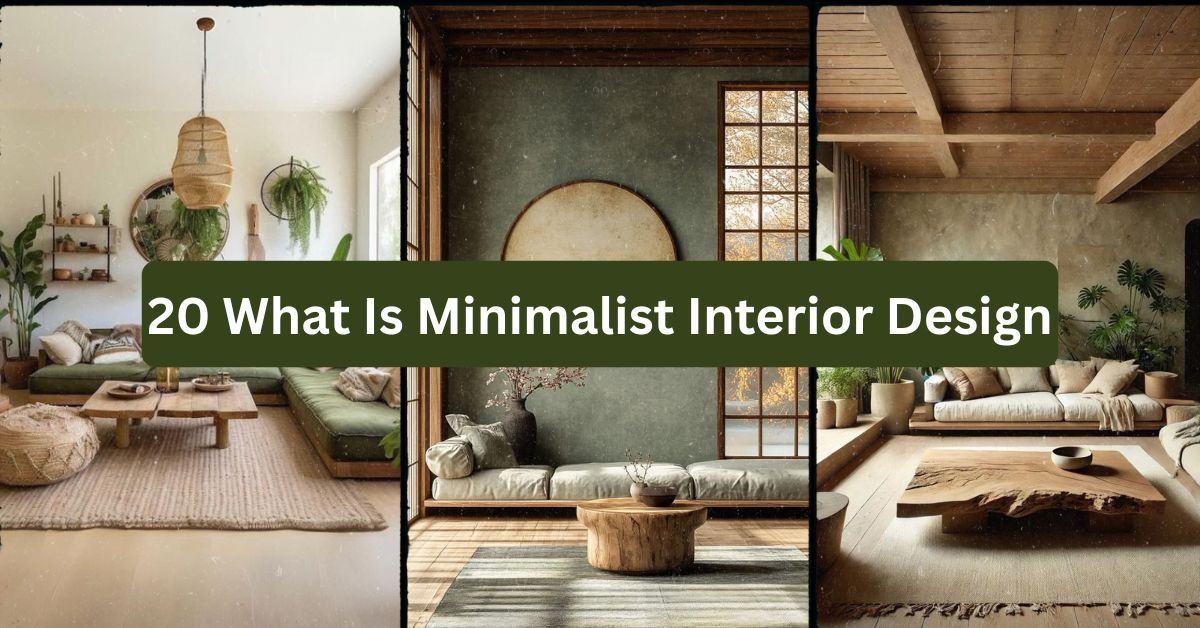
20 What Is Minimalist Interior Design: Your Complete Guide to Simple, Stylish Living
I’ve spent years studying interior design trends, testing layouts in my own home, and talking to designers who swear by the “less is more” philosophy. That hands-on experience is exactly why I can walk you through minimalist interior design with confidence—no fluff, no guesswork, just real answers.
So, what is minimalist interior design? It’s a design philosophy that strips away clutter, focusing on clean lines, functional furniture, and a neutral color palette. The goal is to create calm, open spaces where every item serves a purpose.
Stick around, because I’m about to break down 20 minimalist design styles, share furniture and color tips, and even point out mistakes people make when they try this look. By the end, you’ll know exactly how to bring minimalism into your own home.
Why Minimalist Interior Design Is More Than Just “Empty Rooms”
Here’s a thing people get wrong. Minimalist interior design isn’t about having an empty room with one chair in it. It’s about intention. Every piece you keep has a job to do. Every color you pick supports calm. This design style grew out of Japanese design principles and mid-century modern movements, blending function with quiet beauty. I’ll walk you through 20 different takes on this style, so you can find the version that fits your personality and your home.
1. Scandinavian Minimalism

Scandinavian minimalism works because it balances simplicity with warmth. This style leans on light wood furniture, soft textiles, and plenty of natural light. Think pale oak tables, wool throws, and airy curtains that let sunshine pour in.
For furniture, pick pieces with simple silhouettes—no ornate carvings or bulky frames. Color schemes stay in whites, light grays, and soft beiges, with maybe one muted blue accent. Decorative elements should be sparse: a single plant, a woven basket, one piece of art.
Practical tip: Add a chunky knit blanket to a neutral sofa. It instantly warms up the space without cluttering it.
This style suits modern homes but also blends well with farmhouse aesthetics. Next up, let’s look at a style that takes minimalism even further.
2. Japanese Minimalism (Wabi-Sabi Inspired)

Japanese minimalism celebrates imperfection and natural materials. This isn’t about sterile perfection—it’s about finding beauty in simple, handmade objects. Low furniture, tatami-style mats, and sliding panels define this look.
Furniture should sit low to the ground, made from natural wood or bamboo. Colors stay earthy: browns, off-whites, muted greens. Decorative elements are limited to one or two handmade ceramic pieces or a small bonsai tree.
Practical tip: Use a low platform bed instead of a tall bed frame to mimic authentic Japanese interiors.
This style works beautifully in homes wanting a zen retreat feel. Traditional homes can adapt it too, especially in a reading nook or meditation corner. Now, let’s talk about a bolder, more industrial approach.
3. Industrial Minimalism

Industrial minimalism combines raw materials with clean simplicity. Exposed brick, metal fixtures, and concrete floors pair with sparse furniture arrangements. It’s edgy but still calm because clutter stays at zero.
Furniture should be functional and metal-based—think steel-frame chairs or a simple leather sofa. Colors stay in charcoal, black, and warm gray tones. Skip heavy decor; one statement light fixture is enough.
Practical tip: Use pendant lighting with exposed bulbs to add character without adding clutter.
This look suits loft apartments and modern homes with open floor plans. If industrial feels too harsh, try the next style instead.
4. Warm Minimalism

Warm minimalism solves the “cold and sterile” complaint people have about minimalist design. This style uses soft neutrals like cream, tan, and terracotta to create coziness while keeping spaces clutter-free.
Furniture should have soft curves rather than sharp edges. Choose linen sofas, wooden coffee tables, and textured rugs. Decorative elements include candles, soft throw pillows, and one or two dried floral arrangements.
Practical tip: Layer different textures—linen, wood, wool—to add depth without adding clutter.
This works in almost any home style, from modern to traditional. Next, let’s explore a style built entirely around color absence.
5. Monochrome Minimalism

Monochrome minimalism uses a single color family throughout the entire space. This creates a sense of visual flow and calm because your eyes aren’t jumping between competing colors.
Pick one color—gray, beige, or even navy—and use different shades of it throughout. Furniture stays simple and functional. Decorative elements should match the same tone, like a gray vase or beige throw blanket.
Practical tip: Use varying textures within the same color to avoid a flat, boring look.
This style fits modern and contemporary homes especially well. Now let’s talk about a version that embraces natural materials even more.
6. Organic Minimalism

Organic minimalism brings nature indoors through raw materials and earthy tones. Think rattan, jute, linen, and unfinished wood. This style feels grounded and calming.
Furniture should include natural fibers—rattan chairs, jute rugs, wood tables with visible grain. Colors stay in sandy beige, moss green, and warm brown. Add one or two live plants for a natural touch.
Practical tip: Choose furniture with visible wood grain to add texture without adding visual clutter.
This suits bohemian and coastal homes just as well as modern spaces. Next, let’s look at minimalist design through a luxury lens.
7. Luxe Minimalism

Luxe minimalism proves minimalism doesn’t mean cheap or plain. This style uses high-quality materials like marble, brass, and velvet to create simple but expensive-looking spaces.
Furniture should be sleek with metallic accents—think a brass floor lamp or marble side table. Colors stay neutral with gold or silver accents. Decorative elements should be few but striking, like one large abstract painting.
Practical tip: Invest in one statement piece, like a velvet accent chair, rather than filling the room with smaller items.
This works great in modern and contemporary homes wanting an upscale feel. Now, let’s shift to a minimalist style built for small spaces.
8. Compact Minimalism

Compact minimalism is designed specifically for small apartments or tiny homes. This style focuses on multi-functional furniture and smart storage solutions to keep spaces open despite limited square footage.
Furniture should serve double duty—a storage ottoman, a fold-out desk, a bed with built-in drawers. Colors stay light to make rooms feel bigger: whites, pale grays, soft blues. Skip decorative clutter entirely; every item must earn its spot.
Practical tip: Use wall-mounted shelves instead of floor cabinets to free up visual space.
This style is perfect for studio apartments and city living. Next, let’s explore a version built around black and white contrast.
9. Black and White Minimalism

Black and white minimalism creates striking visual contrast while staying true to minimalist principles. This style works because the sharp contrast draws attention to shapes and lines rather than color.
Furniture should be simple with clean edges—white sofas, black metal frames. Colors stay strictly black, white, and maybe one gray tone. Decorative elements include geometric shapes or black-and-white photography.
Practical tip: Use black picture frames on a white wall to create a gallery effect without overwhelming the space.
This suits modern and contemporary homes especially well. Now, let’s look at a style that softens minimalism with curves.
10. Curved Minimalism

Curved minimalism replaces sharp lines with soft, rounded shapes. This trend has grown popular because curves feel more inviting and less clinical than traditional minimalist design.
Furniture should include rounded sofas, circular coffee tables, and arched mirrors. Colors stay soft and neutral—blush, cream, soft gray. Decorative elements include one curved vase or a round rug.
Practical tip: Add a curved accent chair to break up a room full of straight-edged furniture.
This style works in modern homes wanting a softer touch. Next, let’s talk about minimalism inspired by coastal living.
11. Coastal Minimalism

Coastal minimalism brings breezy, beach-inspired simplicity into your home. This style uses light colors, natural textures, and open layouts to mimic the calm of ocean living.
Furniture should be light-colored wood or white with simple lines. Colors stay in whites, soft blues, and sandy beige. Decorative elements include woven baskets, linen curtains, and maybe one piece of driftwood art.
Practical tip: Use sheer white curtains to let in maximum natural light, mimicking a beach house feel.
This suits coastal and modern farmhouse homes perfectly. Now, let’s explore a style built around bold minimalism.
12. Bold Minimalism

Bold minimalism proves minimalist spaces don’t have to be boring. This style keeps clutter at bay but uses one or two bold colors or patterns as focal points.
Furniture stays simple, but you can choose one statement piece in a bold color, like a mustard yellow chair. Colors stay mostly neutral with one bold accent color. Decorative elements should be limited to avoid visual chaos.
Practical tip: Choose just one bold color and repeat it in two or three spots for balance.
This style works in modern and eclectic homes. Next, let’s look at a minimalist approach centered on texture.
13. Textural Minimalism

Textural minimalism relies on varied textures instead of colors or patterns to create visual interest. This style proves that simplicity doesn’t mean flat or boring.
Furniture should include mixed materials—a wood table paired with a woven chair. Colors stay neutral throughout. Decorative elements include textured throw pillows, chunky knit blankets, and woven wall hangings.
Practical tip: Combine at least three different textures in one room to keep things interesting.
This suits modern, Scandinavian, and bohemian homes alike. Now, let’s talk about a version built around natural light.
14. Light-Focused Minimalism

Light-focused minimalism treats natural light as the main decorative element. This style keeps window treatments minimal and furniture low to maximize sunlight throughout the day.
Furniture should be low-profile and light-colored to reflect sunlight. Colors stay bright: whites, pale yellows, soft creams. Decorative elements should be minimal so they don’t block light sources.
Practical tip: Skip heavy curtains entirely; use sheer panels or leave windows bare.
This style works beautifully in modern homes with large windows. Next, let’s explore minimalist design through a rustic lens.
15. Rustic Minimalism

Rustic minimalism blends countryside charm with clean, clutter-free spaces. This style uses raw wood, stone, and simple furniture to create a cozy yet uncluttered atmosphere.
Furniture should include reclaimed wood pieces with simple, sturdy designs. Colors stay earthy: brown, cream, muted green. Decorative elements include one wooden bowl or a simple woven rug.
Practical tip: Use one reclaimed wood accent piece, like a coffee table, as your room’s focal point.
This suits farmhouse and traditional homes wanting a simpler feel. Now, let’s look at a style built for maximum functionality.
16. Functional Minimalism

Functional minimalism prioritizes usability above everything else. This style asks one simple question about every item: does it serve a real purpose? If not, it goes.
Furniture should be multi-purpose and durable. Colors stay neutral and practical—grays, whites, muted blues. Decorative elements are almost nonexistent; function always wins over form.
Practical tip: Before buying any decor item, ask yourself if it has a practical use. If not, skip it.
This style works well in busy households, home offices, and modern apartments. Next, let’s talk about a softer, more feminine take on minimalism.
17. Soft Minimalism
Soft minimalism uses gentle colors and plush textures to create a calming, feminine-leaning space. This style avoids harsh lines in favor of soft, welcoming shapes.
Furniture should include curved edges and soft upholstery. Colors stay in blush pink, cream, and soft gray. Decorative elements include fluffy pillows, soft rugs, and delicate vases.
Practical tip: Add a plush area rug to soften a room full of hard flooring.
This suits bedrooms and living rooms in modern and traditional homes alike. Now, let’s explore a bold, dark twist on minimalism.
18. Dark Minimalism

Dark minimalism flips the usual “light and airy” minimalist rule on its head. This style uses deep colors like black, charcoal, and navy to create a moody, sophisticated space.
Furniture should be simple but dark-toned—black leather sofas, dark wood tables. Colors stay deep and rich throughout. Decorative elements include one metallic accent, like a brass lamp, for contrast.
Practical tip: Use dark walls paired with light furniture to balance the moodiness.
This style works in modern and contemporary homes wanting a dramatic feel. Next, let’s look at minimalism designed for open floor plans.
19. Open-Concept Minimalism

Open-concept minimalism focuses on flow between rooms rather than filling each space with furniture. This style uses similar colors and materials throughout connected spaces to create visual unity.
Furniture should be low-profile so it doesn’t block sightlines between rooms. Colors stay consistent across all connected areas. Decorative elements should be repeated subtly, like the same vase style in two rooms.
Practical tip: Use area rugs to define separate zones without adding walls or clutter.
This suits modern homes with open floor plans. Now, let’s finish with a minimalist style built around personal meaning.
20. Curated Minimalism

Curated minimalism keeps only items that hold personal meaning or provide real function. This style proves minimalism isn’t about following strict rules—it’s about intentional choices.
Furniture should reflect your personal taste while staying simple in design. Colors can vary based on personal preference, though neutrals still dominate. Decorative elements should be few but meaningful, like one travel souvenir or family photo.
Practical tip: Before adding any item to your space, ask if it brings you joy or serves a function. If neither, let it go.
This style works in any home, regardless of architectural style, because it reflects the individual living there.
Quick Comparison Table: Minimalist Styles at a Glance
| Style | Best For | Color Palette | Key Material |
|---|---|---|---|
| Scandinavian | Cozy modern homes | White, gray, beige | Light wood |
| Japanese | Zen retreats | Brown, off-white | Bamboo, wood |
| Industrial | Loft apartments | Charcoal, black | Metal, concrete |
| Warm | All home styles | Cream, terracotta | Linen, wood |
| Monochrome | Modern homes | Single color family | Mixed |
| Organic | Bohemian/coastal | Beige, moss green | Rattan, jute |
| Luxe | Upscale modern | Neutral + metallics | Marble, brass |
| Compact | Small apartments | Light neutrals | Multi-functional |
| Black & White | Contemporary homes | Black, white | Mixed |
| Curved | Soft modern spaces | Blush, cream | Rounded furniture |
| Coastal | Beach homes | White, sandy beige | Linen, driftwood |
| Bold | Eclectic homes | Neutral + one bold hue | Mixed |
| Textural | Scandinavian/boho | Neutral | Mixed textures |
| Light-Focused | Sunny modern homes | White, pale yellow | Reflective surfaces |
| Rustic | Farmhouse homes | Brown, cream | Reclaimed wood |
| Functional | Home offices | Gray, white | Durable materials |
| Soft | Feminine bedrooms | Blush, gray | Plush fabric |
| Dark | Dramatic modern | Black, navy | Dark wood, leather |
| Open-Concept | Open floor plans | Consistent neutrals | Low-profile furniture |
| Curated | Any home | Personal preference | Personal items |
Tips for Success
- Start small—clear out one room before tackling the whole house.
- Choose quality over quantity when picking furniture.
- Stick to a limited color palette, ideally three colors or fewer.
- Add texture through fabrics and materials, not clutter.
- Let natural light play a starring role whenever possible.
Common Mistakes and How to Avoid Them
Term: Over-decorating
Definition: Adding too many small decorative items, even if each item seems simple on its own.
Fix: Stick to the “one focal point per surface” rule.
Term: Ignoring storage
Definition: Leaving clutter visible because there’s no proper storage plan.
Fix: Invest in closed storage solutions like cabinets or baskets.
Term: Choosing style over comfort
Definition: Picking furniture that looks minimalist but feels uncomfortable to use daily.
Fix: Test furniture in person before buying; comfort matters as much as looks.
Term: Using too many accent colors
Definition: Adding multiple bold colors that compete with each other.
Fix: Limit accent colors to one or two per room.
Similar Variations You Can Try
- Japandi style (a mix of Japanese and Scandinavian minimalism)
- Minimalist maximalism (bold colors, but strict clutter control)
- Eco-minimalism (sustainable materials with minimalist principles)
- Minimalist boho (natural textures with minimalist restraint)
I hope this breakdown gave you a clear picture of what minimalist interior design really looks like across 20 different styles. Whether you lean toward warm Scandinavian vibes or bold industrial edges, minimalist interior design offers something for every home and every personality.