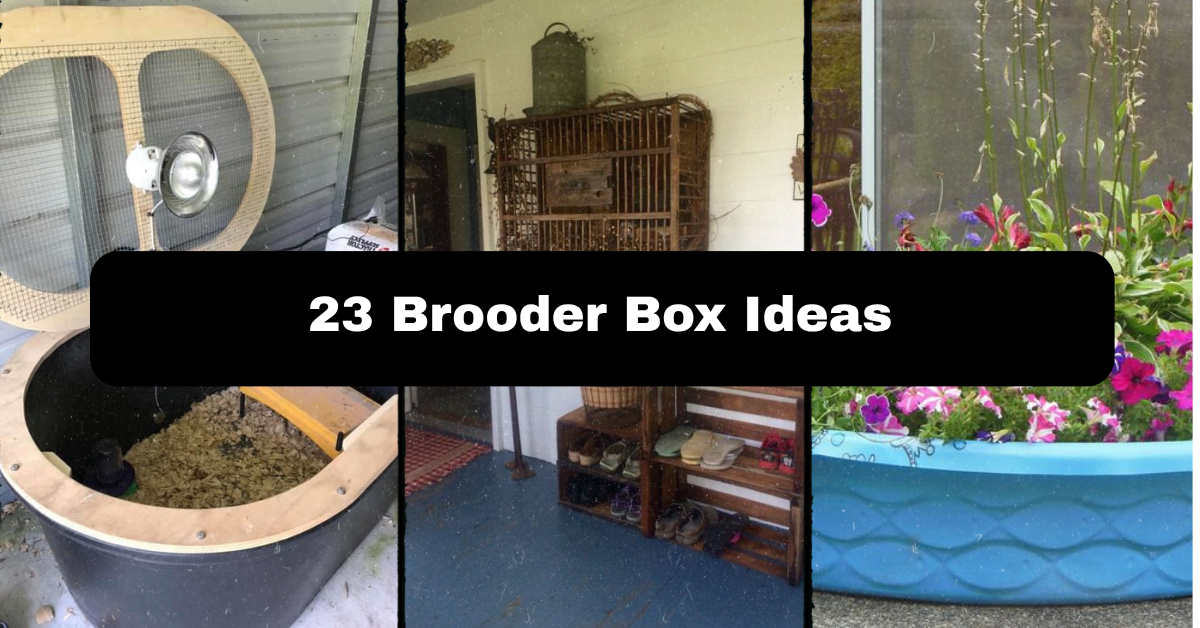
23 Brooder Box Ideas That Actually Work for Raising Healthy Chicks
Over the years, I have experimented with many different brooder box designs, breaking apart flawed ones and reconstructing improved ones, which helped me understand precisely the features that make the difference between a brooder box that will keep the chicks alive and thriving and one that won’t. All of the tips that follow have been carefully verified against actual poultry farming standards, not just found on some inspiration board. If you want to find an efficient brooder box design, then you have come to the right place.
What exactly is a good brooder box? A brooder box is a closed environment that will provide the chicks with warmth, protection, and comfort until they are able to transition outside. A good brooder box will give the chicks sufficient ventilation, easy cleaning, predator protection, and room for growth before they can live outside.
Keep reading because I’m going to take you through 23 brooder box ideas, sizing diagrams, heating comparisons, and other common mistakes made by chicken farmers.
Why Your Brooder Box Setup Matters More Than You Think
Here’s the thing about brooder boxes: people treat them like an afterthought. They grab a cardboard box, toss in a heat lamp, and call it done. But chicks are fragile during their first six weeks. Temperature swings, poor airflow, and cramped quarters can lead to pasty butt, respiratory issues, or worse. A well-thought-out brooder box isn’t just a container, it’s a mini life-support system. Getting the size, material, and heat source right from day one saves you headaches (and heartbreak) later. Let’s get into the ideas.
1. The Classic Wooden Crate Brooder

Wooden crates make sturdy, long-lasting brooder boxes that hold heat better than plastic bins. Choose untreated pine or cedar (avoid treated wood, since chemicals can harm chicks) and line the interior with a washable liner for easy cleanup. Add a mesh or hardware cloth lid to keep curious pets away while still allowing airflow. This style fits rustic or farmhouse-style homes perfectly and can be repainted to match your barn décor. A wooden crate brooder works great for small batches of 5-10 chicks. Next up, let’s look at a design that solves the space problem entirely.
2. The Repurposed Kiddie Pool Brooder

A plastic kiddie pool gives you tons of floor space without the sharp corners chicks tend to pile into (a common cause of suffocation). The rounded walls are easy to wipe down, and the low sides make chick-checking simple. Pair this with a cattle panel arched cover wrapped in chicken wire for predator protection. This budget-friendly option suits casual backyard setups and works especially well for larger hatches of 15-25 chicks. Just add a thick layer of pine shavings for cushioning and warmth. If you want something even more scalable, try the next idea.
3. The Stock Tank Brooder Box

Galvanized stock tanks are my personal favorite for durability. The metal walls block drafts, resist chewing from rodents, and last for years without cracking. Choose a tank at least 2 feet tall so chicks can’t hop out once they start flapping around week three. This industrial-style design fits farmhouse or modern-rustic aesthetics beautifully, especially when set on a wooden stand. Add a wire mesh lid with a heat lamp clamp attachment for safety. Stock tanks handle 10-20 chicks comfortably. Now let’s talk about an option that’s perfect for renters or small spaces.
4. The Stackable Plastic Bin Brooder

Clear plastic storage bins let you monitor chicks without opening the lid constantly, which helps regulate temperature. Cut ventilation holes along the upper sides and cover them with mesh tape to prevent drafts while still letting air circulate. These bins stack neatly in garages or mudrooms when not in use, making them ideal for small-space living. Choose bins in neutral tones like gray or white so they blend into utility spaces. This setup works for 5-8 chicks max. For those wanting something more permanent, consider building a wooden frame version instead.
5. The Dog Crate Conversion Brooder

Wire dog crates already have built-in ventilation and a secure door, making them surprisingly good brooder boxes with a few tweaks. Line the bottom with a solid tray liner (crates alone won’t hold shavings), and wrap the lower half with cardboard or plastic sheeting to block drafts. This design suits modern or minimalist homes since dog crates often come in sleek black or silver finishes. It’s a smart pick if you already own one and don’t want to buy new supplies. Moving on, let’s cover a design built specifically for small nurseries.
6. The Under-Bed Storage Box Brooder

Long, shallow under-bed storage containers give chicks plenty of walking room without taking up much vertical space. These work best for the first two weeks before chicks need more height. Add a mesh lid using tension rods and hardware cloth. This style fits apartment dwellers or anyone brooding chicks indoors temporarily. Keep the color scheme simple and clean, white or clear plastic, so it doesn’t clash with your bedroom or laundry room decor. Once chicks outgrow this, transition them to a taller container like our next idea.
7. The Wardrobe Box Brooder

Cardboard wardrobe boxes from moving supply stores are cheap, tall, and disposable. Reinforce the bottom with a plastic liner or extra cardboard layers to prevent moisture damage. This is a fantastic starter option if you’re not sure you’ll keep raising chicks long-term. It’s not the most attractive option, but wrapping the exterior in decorative contact paper can make it fit into a farmhouse or cottagecore aesthetic. Expect to replace this box every batch since cardboard breaks down with moisture and waste.
8. The Raised Wooden Platform Brooder

Building a brooder box on legs keeps it off cold floors, which matters a lot in garages or barns during colder months. Use plywood walls with a hinged lid for easy feeding and cleaning access. This design suits traditional or country-style homes and can double as extra storage furniture once chicks move out. Raised platforms also protect against flooding and make it harder for barn cats to reach the birds. Next, we’ll look at an option built for those raising chicks alongside other pets.
9. The Aquarium Tank Brooder

Old fish tanks make excellent short-term brooder boxes because the glass walls block drafts completely while letting in full light visibility. Add a screen lid (never glass) to prevent overheating and allow airflow. This works wonderfully for 3-5 chicks and suits modern or minimalist homes where you want the setup to look tidy on a shelf or counter. Just watch humidity levels closely since glass tanks trap moisture more than open designs.
10. The Modular PVC Pipe Frame Brooder

Building a frame from PVC pipes and covering it with hardware cloth gives you a lightweight, collapsible brooder box you can store flat between uses. This works well for anyone who only raises chicks seasonally and doesn’t want a bulky permanent structure. Pair with a canvas tarp liner for the base. This DIY-friendly design fits modern or industrial-style spaces and lets you customize dimensions exactly to your available space.
11. The Rubber Feed Trough Brooder

Rubber feed troughs are nearly indestructible and easy to hose out completely, making sanitation a breeze. Their flexible walls resist cracking in cold weather, unlike hard plastic. This option suits farm-style properties and works for medium batches of 10-15 chicks. Add rubber feels right at home in a barn setting, no extra decorating needed.
12. The Wire Shelving Unit Brooder

Repurpose a wire shelving unit by wrapping the sides in plastic sheeting and adding a solid base tray. The vertical space lets you stack a heat lamp higher for even heat distribution. This industrial-look setup suits garages and utility rooms and works great when floor space is limited but ceiling height isn’t.
13. The Concrete Mixing Tub Brooder

Large rubber or plastic concrete mixing tubs from hardware stores offer a low-cost, sturdy option with rounded edges. These fit 8-12 chicks and clean up in seconds with a garden hose. Their neutral gray color matches almost any garage or shed setup without extra effort.
14. The Wooden Playpen Brooder

Baby playpens made of wood slats convert easily into brooder boxes by adding hardware cloth around the openings. This design gives chicks room to grow into their fourth and fifth weeks without needing a size upgrade. It suits nursery-adjacent spaces and traditional home styles nicely.
15. The Metal Livestock Panel Brooder

Bending a cattle or hog panel into a circle and lining it with feed bags or cardboard creates a large, flexible-sized brooder box. This scales easily for big batches of 20+ chicks and works best in barns or covered outdoor spaces.
16. The Bathtub Brooder (Temporary Use)
An unused bathtub, especially in older homes, makes a surprisingly effective short-term brooder box. The high walls prevent escapes, and the drain makes cleanup incredibly easy. This works only as a temporary solution while you build something more permanent.
17. The Wine Crate Brooder

Wooden wine crates, especially ones sourced secondhand, add rustic charm while offering enough depth for chicks in their first two weeks. Stain or leave natural for a farmhouse look. Best suited for very small batches of 2-4 chicks.
18. The Canvas Pop-Up Playpen Brooder

Fabric pop-up playpens designed for puppies work in a pinch for chicks, provided you add a solid floor liner. These fold flat for storage between hatching seasons, making them ideal for people with limited storage space.
19. The Repurposed Dresser Drawer Brooder

Pulling drawers from an old dresser and lining them with hardware cloth lids creates a quirky, upcycled brooder box. This suits eclectic or vintage-decor homes and works for very small, short-term batches.
20. The Greenhouse Corner Brooder

Setting up a brooder box inside a greenhouse takes advantage of natural sunlight and consistent warmth. This works especially well in spring and fits homesteads that already have greenhouse structures in place.
21. The Hexagonal Coop Starter Brooder

Some coop manufacturers make small hexagonal starter coops that double as brooder boxes before transitioning outdoors. These modern-looking units suit contemporary backyard designs and reduce the need to build separate structures.
22. The Basement Corner Pen Brooder

Framing off a basement corner with plywood and hardware cloth creates a permanent, reusable brooder box space. This suits homesteaders who raise chicks every year and want a dedicated, climate-controlled area.
23. The Multi-Tier Rabbit Hutch Brooder

Repurposed rabbit hutches with removable trays offer built-in ventilation and easy-access doors. This works great for raising multiple small batches simultaneously, with each tier housing a different age group.
Brooder Box Sizing Chart by Chick Count
| Number of Chicks | Minimum Floor Space | Recommended Height | Ideal Age Range |
|---|---|---|---|
| 1-5 chicks | 2 sq ft | 12-18 inches | 0-3 weeks |
| 6-10 chicks | 4 sq ft | 18 inches | 0-4 weeks |
| 11-20 chicks | 8 sq ft | 24 inches | 0-5 weeks |
| 21-30 chicks | 12 sq ft | 24-30 inches | 0-6 weeks |
Material Comparison Table
| Material | Durability | Insulation | Cost | Best For |
|---|---|---|---|---|
| Cardboard | Low | Medium | Very Low | One-time use |
| Plastic Bins | Medium | Low | Low | Small batches |
| Wood | High | High | Medium | Long-term use |
| Galvanized Metal | Very High | Medium | Medium-High | Repeated seasonal use |
| Rubber | High | Medium | Medium | Farm settings |
Heat Source Comparison Table
| Heat Source | Safety Level | Even Heat Distribution | Cost |
|---|---|---|---|
| Heat Lamp | Moderate risk | Poor | Low |
| Radiant Heat Plate | High safety | Excellent | Medium |
| Ceramic Heat Emitter | High safety | Good | Medium |
| Heating Pad (under container) | High safety | Excellent | Low |
Tips for Success
- Always place a thermometer at chick level, not at the top of the box, since heat rises and readings can be misleading.
- Start temperatures around 95°F for the first week, then reduce by 5°F weekly.
- Use non-slip bedding for the first few days to prevent leg injuries.
- Keep water and food away from the direct heat source to prevent spoilage.
- Check on chicks at least twice daily during the first two weeks.
Common Mistakes and How to Avoid Them
Overcrowding tops the list of brooder box mistakes. Cramming too many chicks into a small space leads to pecking issues and uneven heat access. Fix this by following the sizing chart above and upgrading containers as chicks grow.
Poor ventilation is another huge issue. Sealed boxes trap ammonia fumes from droppings, which damages chicks’ respiratory systems. Always include mesh or wire sections for airflow, even in colder climates.
Using slippery surfaces like newspaper alone can cause splayed legs in young chicks. Layer paper towels or rubber mats underneath bedding for the first few days.
Placing the heat source too close creates burn risks, while placing it too far leaves chicks chilled. Watch chick behavior, huddling means too cold, panting and spreading out means too hot, and adjust accordingly.
Similar Variations Worth Trying
- Combine two brooder box styles, like a stock tank base with a PVC pipe frame lid, for customized ventilation.
- Add wheels to any wooden or plastic brooder box for easy relocation during cleaning.
- Create a split-level brooder using untreated wood dividers to separate different age groups within one larger box.
- Build a removable mesh partition system so one large brooder box can shrink or expand as your flock grows.
I hope these 23 brooder box ideas gave you enough inspiration to build (or repurpose) the perfect setup for your next batch of chicks. Whether you go with a simple cardboard box for a quick hatch or invest in a permanent wooden structure for yearly use, the key is keeping things warm, dry, and safe. A good brooder box really does make all the difference between stressed, sickly chicks and a happy, healthy flock ready for the coop.