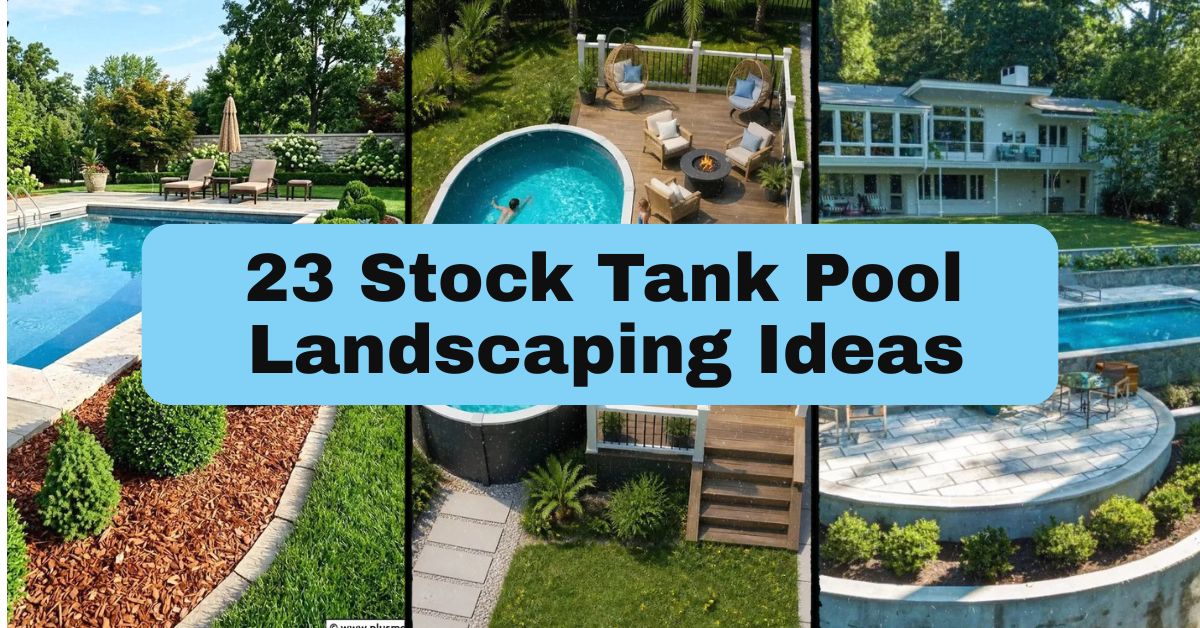
23 Stock Tank Pool Landscaping Ideas That Actually Work
I’ve spent months researching backyard pool setups, testing materials, and talking to homeowners who’ve built their own stock tank pool oasis. This guide pulls from real installations, actual cost data, and landscaping principles that hold up through multiple seasons—not just pretty Pinterest photos that fall apart after one summer.
So what are the best stock tank pool landscaping ideas? The top options include gravel borders, wooden deck platforms, paver pathways, privacy plant screens, and multi-level terracing. Each solution balances drainage, safety, and visual appeal while keeping maintenance manageable for the average homeowner.
Stick around, though. I’m about to walk you through 23 distinct approaches, complete with material comparisons, plant selection charts, and the mistakes that trip up most DIYers.
Why Stock Tank Pool Landscaping Matters So Much
Here’s the thing nobody tells you upfront: dropping a galvanized stock tank in your yard is the easy part. Making it look intentional—like it belongs there instead of looking like a farm animal escaped—that’s where landscaping comes in. Good landscaping around your stock tank pool solves three problems at once. It manages water runoff, it creates privacy from nosy neighbors, and it turns a utilitarian metal container into an actual backyard destination. Skip this step, and you’re left with a tank sitting in mud, surrounded by dead grass by August.
1. Gravel Border Foundation

Gravel is the unsung hero of stock tank pool landscaping. It drains instantly, it’s cheap, and it stops the mud-swamp effect that ruins so many backyard setups. Go with pea gravel or crushed granite in a neutral tone—think warm gray or tan—so it doesn’t clash with your tank’s galvanized finish.
Lay a weed barrier fabric first, then pour 3-4 inches of gravel around the base, extending at least 3 feet out. Add a few oversized boulders as accent pieces. This look works beautifully with farmhouse and industrial-style homes, where raw materials are already part of the aesthetic. Once your gravel base is down, you’ll want something soft to walk on before stepping in, which brings us to decking.
2. Wooden Deck Platform
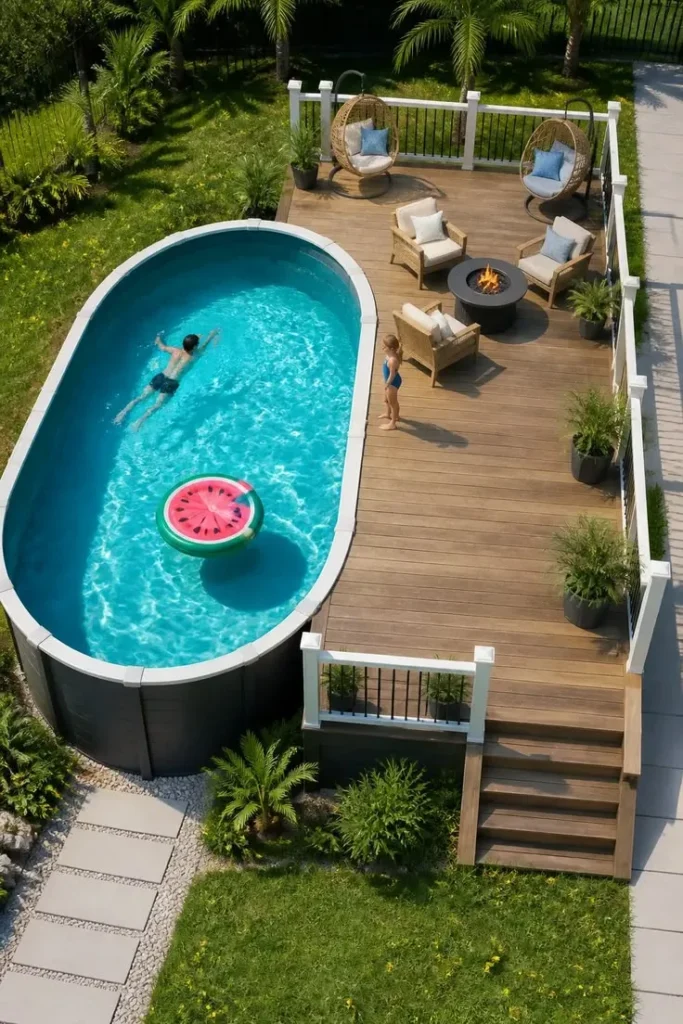
A raised wooden deck transforms your stock tank from “thing in the yard” into “backyard feature.” Cedar and pressure-treated pine both hold up well against splashing water, though cedar naturally resists rot longer.
Build the deck slightly elevated above the tank’s rim for easy entry, and add built-in bench seating along one edge—this doubles as storage for towels and pool toys. Stick with natural wood tones or a soft gray stain; bright colors tend to fight with the tank’s metallic sheen. This style suits modern farmhouse and coastal homes especially well. If decking feels like too big a project, paver stones offer a similar polished look with less labor.
3. Paver Stone Pathway

Pavers give you that finished-patio feeling without the commitment of a full deck build. Concrete pavers in warm earth tones create a seamless transition from your patio to the pool area.
Arrange them in a herringbone or running bond pattern for visual interest, and leave small gaps filled with polymeric sand to prevent shifting. Add a few outdoor planters at the pathway’s edge using terracotta or concrete pots—these add height without blocking sightlines. This approach fits traditional and Mediterranean-style homes particularly well. Once your hardscaping is settled, plants are what’ll really soften the whole scene.
4. Tropical Plant Screen
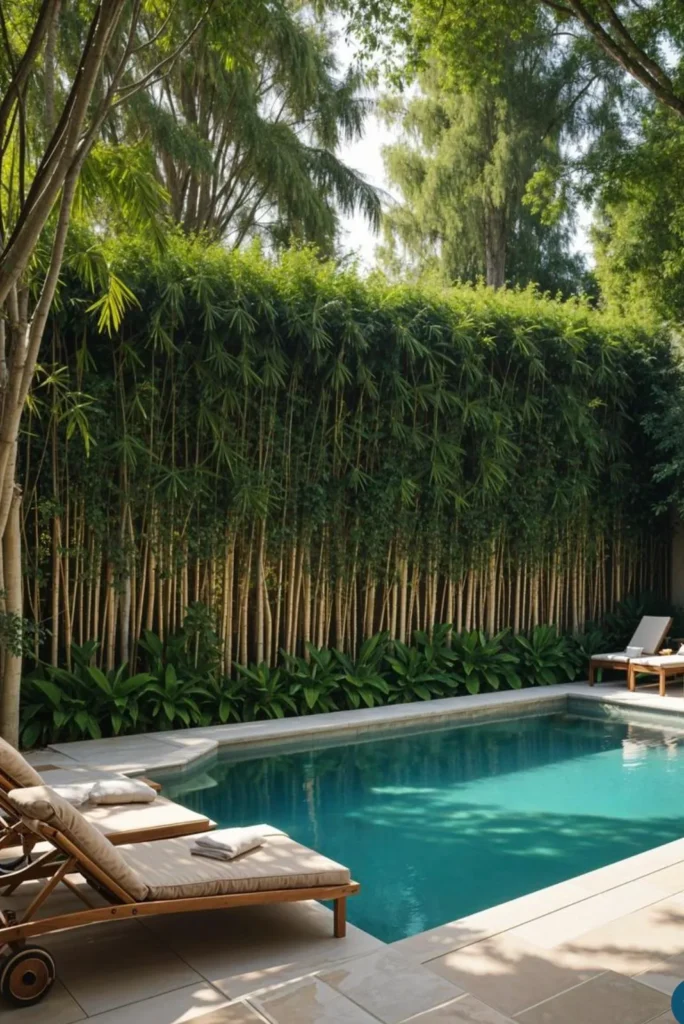
Nothing says “vacation” like a wall of tropical greenery around your pool. Elephant ears, banana plants, and canna lilies grow fast and create instant privacy while pumping out that resort vibe.
Plant in a staggered pattern—taller plants in back, shorter ones up front—so you get layered depth. Stick to deep greens with occasional pops of red or orange from canna blooms. Water these plants generously; they’re thirsty by nature. This works great for modern and bohemian-style backyards. If tropical plants aren’t hardy in your zone, native grasses offer a similar screening effect with way less fuss.
5. Native Grass Border
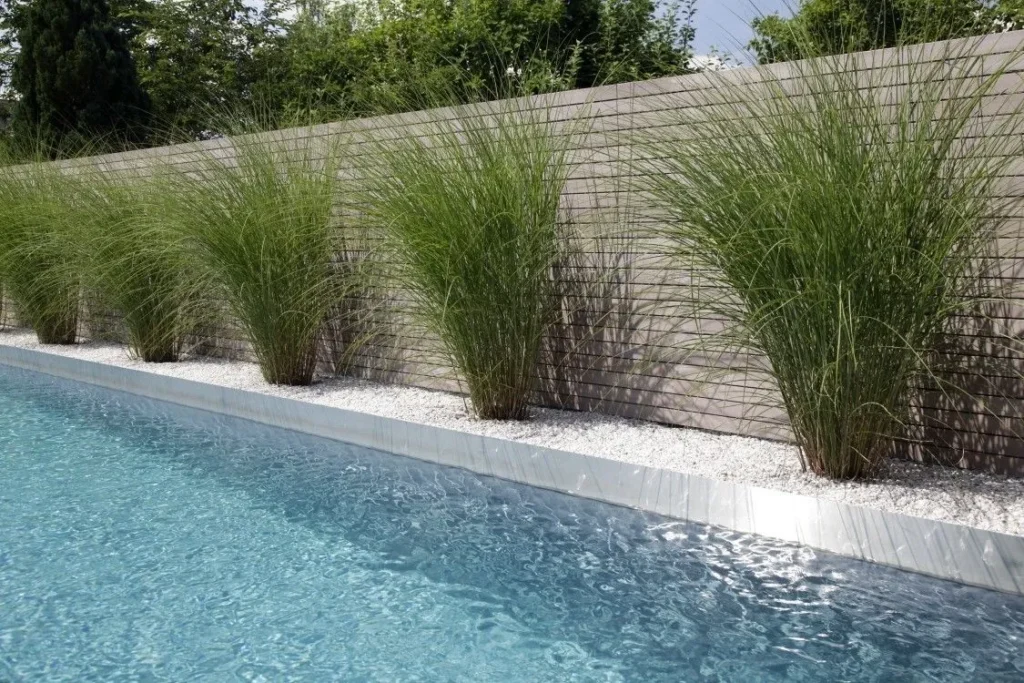
Ornamental grasses like feather reed grass or switchgrass move beautifully in the wind and require almost zero maintenance once established. They’re drought-tolerant, which matters if you’re in a region with water restrictions.
Plant these in loose clusters rather than rigid rows for a natural, prairie-style look. Their soft beige and green tones complement almost any tank color. Trim them back once a year in late winter, and that’s about it for upkeep. This suits rustic, farmhouse, and prairie-style homes. For those wanting shade instead of just screening, a pergola might be your next move.
6. Pergola Shade Structure
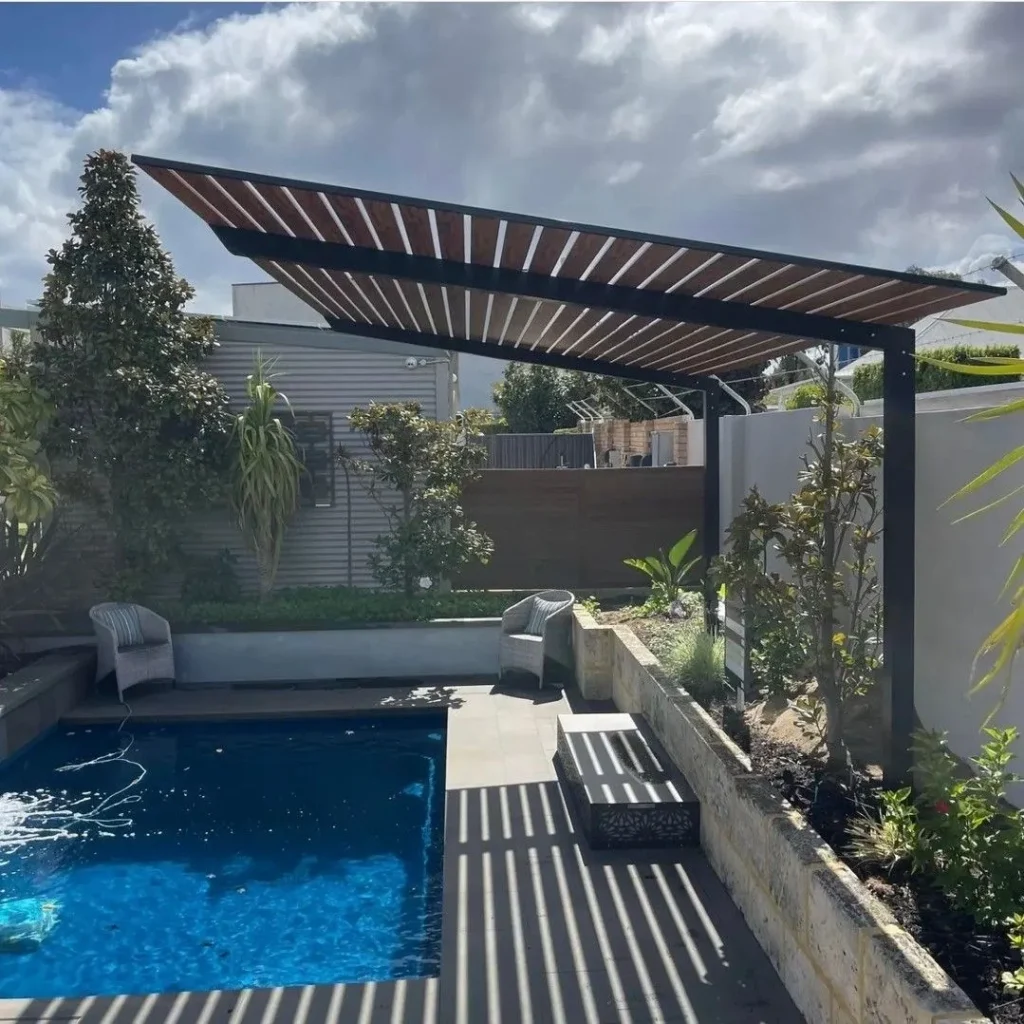
A pergola over your stock tank pool gives you shade without fully blocking the sky—perfect for those brutal midday sun hours. Build it slightly offset from the tank so you get partial coverage rather than a dark cave effect.
Use cedar or vinyl beams, and drape lightweight outdoor curtains in white or natural linen for adjustable shade. String some café lights along the beams for evening ambiance. This structure fits modern, craftsman, and Mediterranean home styles. Once you’ve got shade sorted, privacy fencing often becomes the next priority.
7. Privacy Fence Backdrop
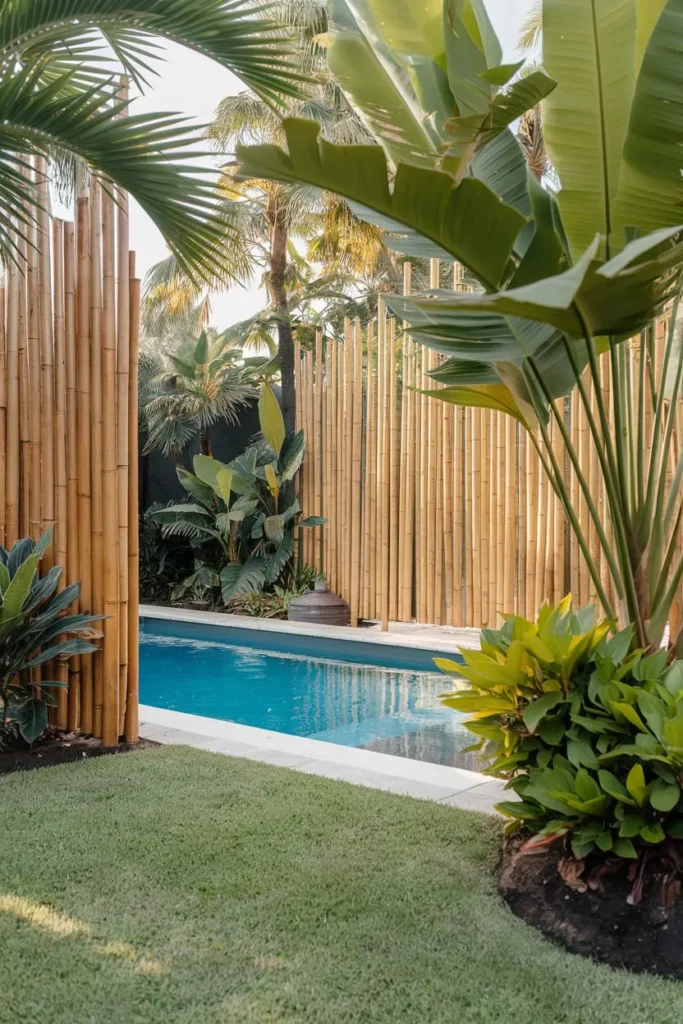
If your yard backs up to neighbors or a busy street, a privacy fence isn’t optional—it’s essential. Horizontal slat fencing in natural wood tones gives you privacy without feeling like a prison yard.
Keep the fence height around 6 feet, and stain it a shade darker than your deck for contrast. Add climbing vines like clematis for softness. This works with nearly every home style, from modern to traditional. Fencing handles sightlines, but for a softer green wall, bamboo screening is worth considering too.
8. Vertical Garden Wall
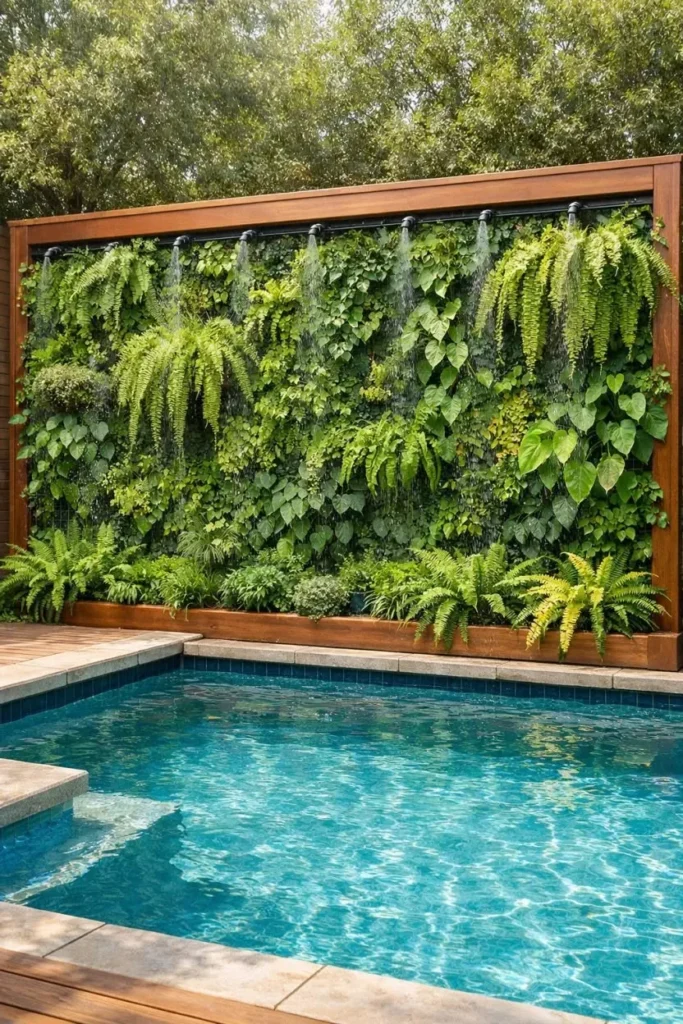
Short on ground space? Build up instead. A vertical garden wall using modular planter boxes lets you grow herbs, succulents, or trailing vines right beside your pool without eating up yard space.
Mount cedar planter boxes on a fence or freestanding frame, and mix textures—spiky succulents next to soft trailing pothos. This creates a living piece of art. It’s ideal for small urban backyards and modern-style homes. Once your walls are green, a fire pit nearby extends your pool season into cooler evenings.
9. Fire Pit Companion Zone
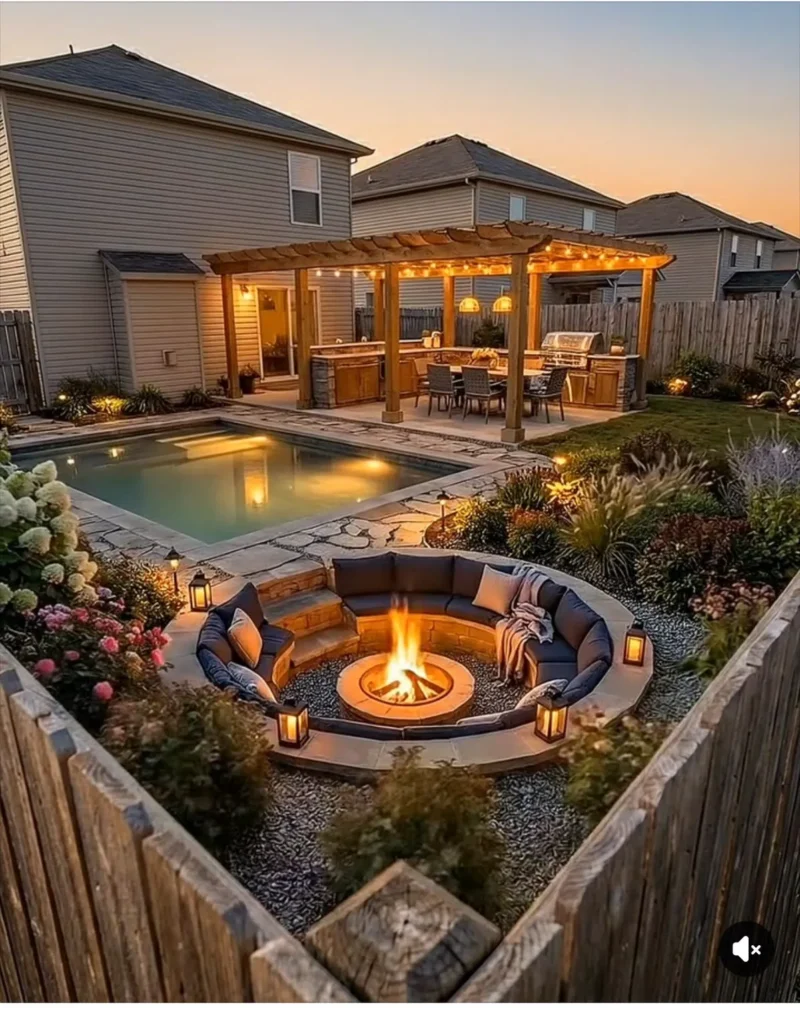
Pairing a fire pit with your stock tank pool creates a hot-cold contrast that’s genuinely fun for evening gatherings. Position the fire pit at least 10 feet from the tank for safety, on its own gravel or paver pad.
Choose a simple steel bowl fire pit to match your tank’s industrial look. Surround it with Adirondack chairs in weathered wood or black metal. This combo works for rustic, industrial, and modern farmhouse styles. After swimming and fire-pit lounging, most people want a rinse-off spot—that’s where an outdoor shower comes in.
10. Outdoor Shower Station

An outdoor shower keeps chlorine, sunscreen, and grass clippings out of your house. A simple setup includes a freestanding cedar shower enclosure with a basic garden hose attachment or a proper plumbed fixture if you want to invest more.
Add a small teak bench and a hook for towels. Keep the surrounding ground gravel or pavers for drainage. This feature suits coastal, farmhouse, and modern homes alike. With the practical stuff handled, let’s talk ambiance—starting with lighting.
11. String Light Canopy
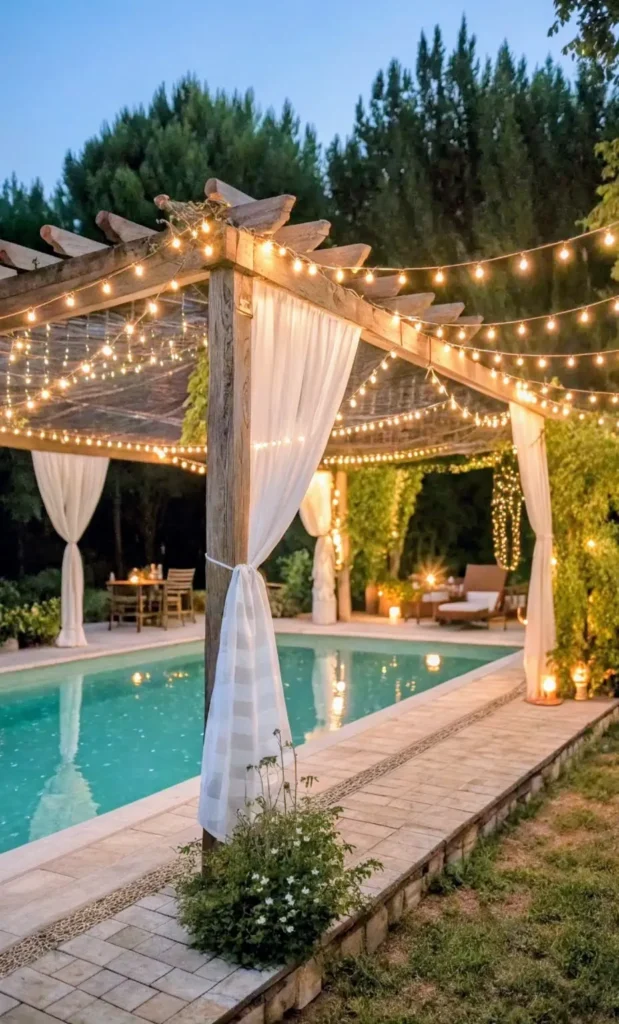
Draping string lights above your stock tank pool turns a daytime swim spot into a nighttime hangout. Use warm white Edison bulbs rather than cool white for a cozier feel.
Hang them in a crisscross pattern between posts or nearby trees, keeping them at least 7 feet high for safety. Solar-powered options save you the extra wiring hassle. This works with literally every home style. For a more grounded lighting approach, solar lanterns along your walkway are worth adding too.
12. Succulent Rock Garden

Succulents and stock tanks just make sense together—both feel a little industrial, a little modern. Cluster different succulent varieties (echeveria, sedum, agave) among decorative rocks near the tank’s base.
Use a mix of river rocks and larger boulders for texture variation. These plants need almost no water, which is great if you’re not big on maintenance. This style fits desert modern, Southwestern, and contemporary homes. If you want more height and screening than succulents provide, bamboo is your next option.
13. Bamboo Privacy Screen
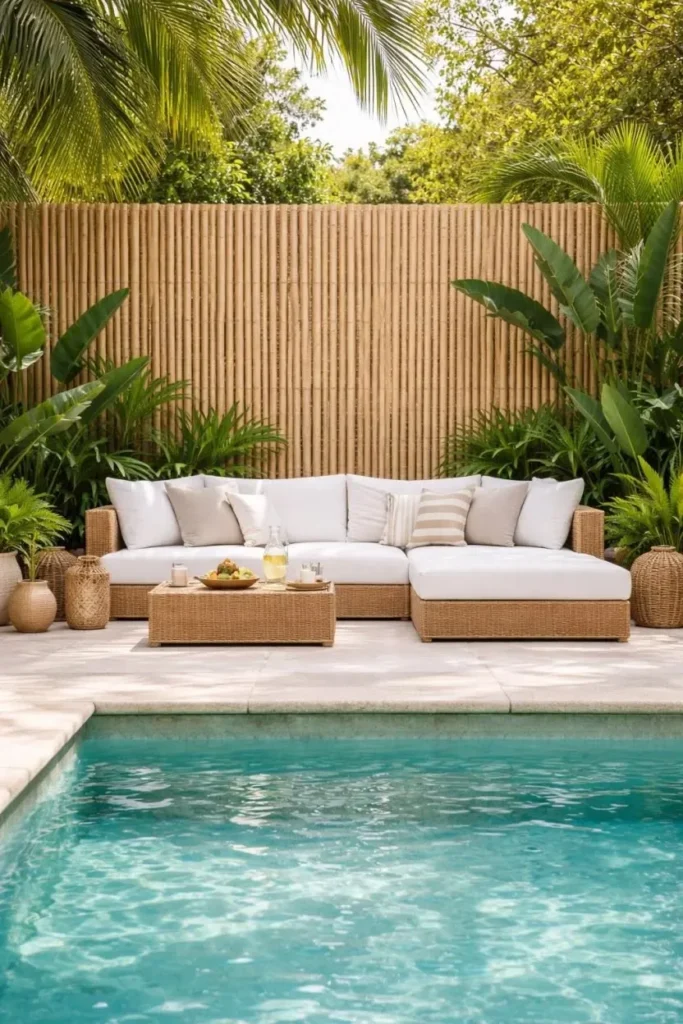
Clumping bamboo (never the running variety, trust me) grows fast and creates a dense green privacy wall within one or two seasons. It also sways nicely in the wind, adding movement to your landscape.
Plant it in a row about 3 feet from your tank’s edge, and install a root barrier to keep it contained. Pair it with simple black or bronze planters if you’re growing it in containers instead of the ground. This suits tropical, modern, and Asian-inspired backyard designs. Once your greenery’s established, smaller container gardens can fill in any remaining gaps.
14. Container Garden Cluster
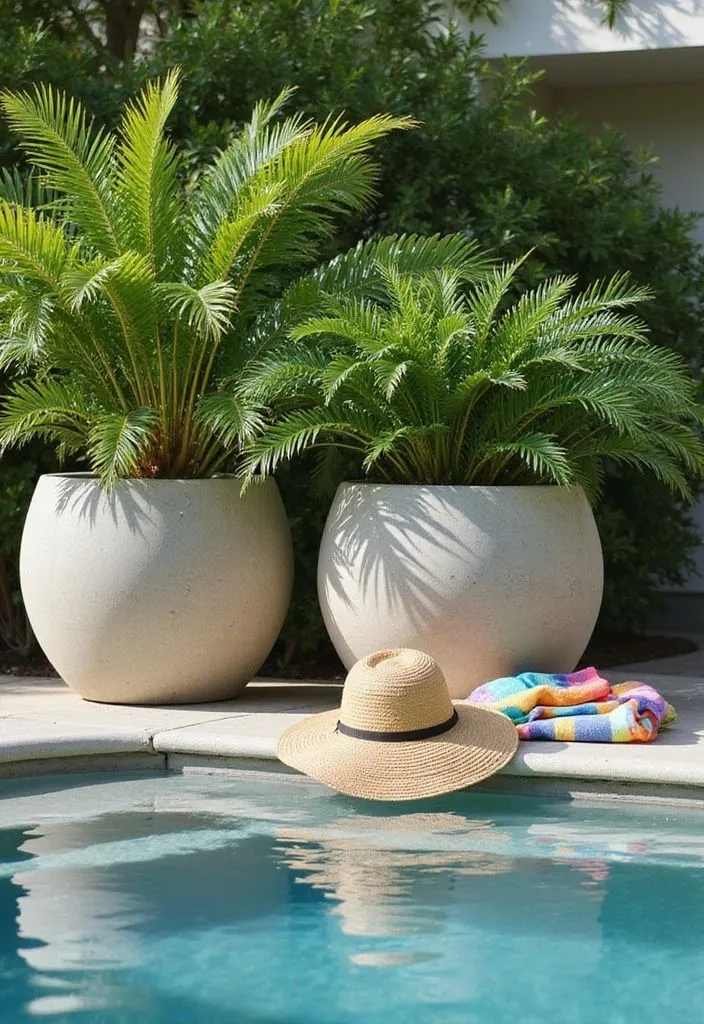
Grouping potted plants around your stock tank gives you flexibility—you can rearrange, swap plants seasonally, or move everything if you relocate the pool. Mix pot sizes and heights for visual interest.
Stick to two or three pot colors max (terracotta, black, and white work well together) to avoid a cluttered look. Fill with a mix of flowering annuals and structural greenery. This works for basically any home style since it’s so customizable. For a more permanent groundcover solution, though, mulch beds handle larger areas better.
15. Stepping Stone Path

A stepping stone path leading to your pool solves the “walking through wet grass” problem while adding a design element. Use large flat stones spaced for a natural walking stride—roughly 18-24 inches apart.
Fill the gaps with creeping thyme or moss for a soft, cottage-garden feel, or plain gravel for a cleaner look. This suits cottage, farmhouse, and traditional-style yards. Raised planter boxes along this path add even more dimension.
16. Raised Planter Boxes

Raised planters let you control soil quality easily, which matters if your yard has poor drainage or rocky soil. Build simple cedar boxes around 12-18 inches tall, positioned near the tank but not blocking access.
Plant a mix of herbs and flowers—lavender and rosemary smell amazing poolside and repel some bugs too. This works for cottage, farmhouse, and modern homes. Once your planters are in, a hammock nearby completes the relaxation zone.
17. Hammock Lounge Area

Set up a hammock a short distance from your stock tank pool for post-swim lounging. String it between two sturdy trees or use a freestanding metal stand if your yard lacks good tree placement.
Choose a neutral canvas hammock rather than bright colors to keep things looking cohesive. Add an outdoor rug underneath to define the space. This fits bohemian, coastal, and casual modern styles. Speaking of rugs, they deserve their own mention.
18. Mulch Bed Border
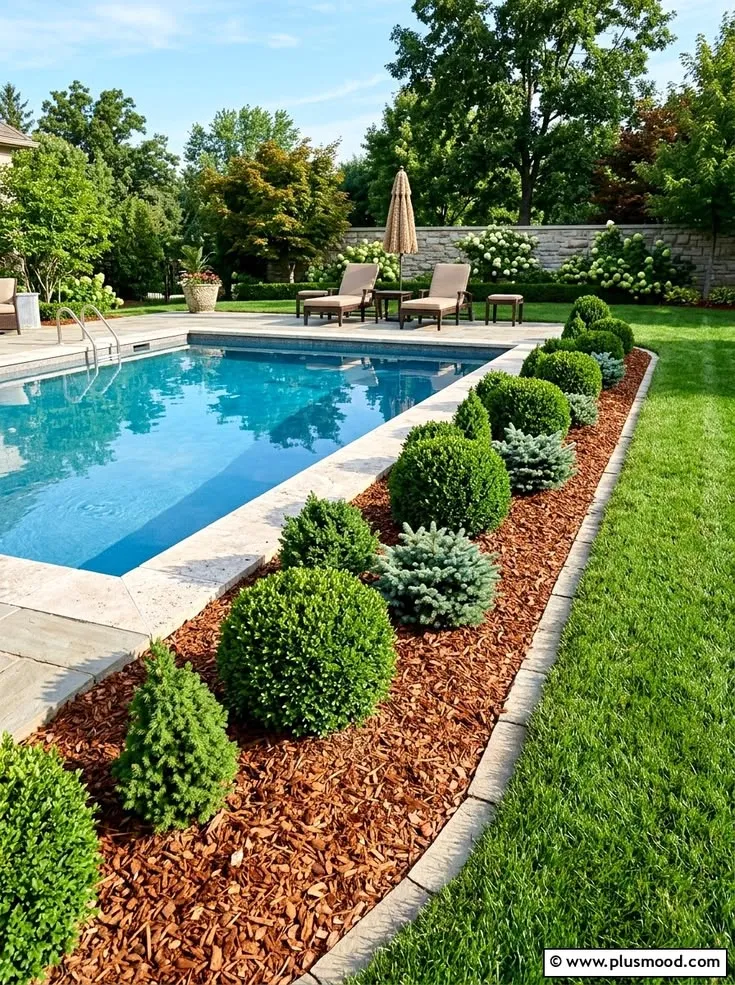
Mulch is the budget-friendly cousin of gravel, and it works great in garden beds surrounding your pool area. Dark brown or black mulch creates nice contrast against green plants and makes colors pop.
Keep mulch beds at least 2 feet from the tank itself to avoid organic material washing into splash zones. Refresh mulch annually since it breaks down over time. This suits traditional and cottage-style homes. If you want a low-maintenance alternative that doesn’t decompose, artificial turf might suit you better.
19. Artificial Turf Surround
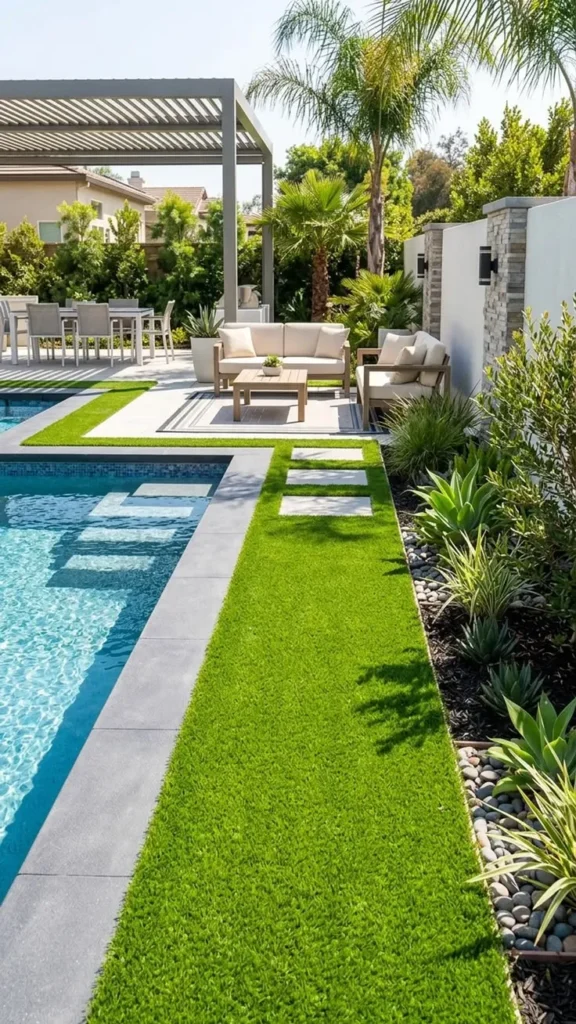
Real grass struggles around pools—too much foot traffic, too much splashing, not enough sun in shaded spots. Artificial turf solves all of that while staying green year-round.
Choose a turf with good drainage backing so water doesn’t pool on the surface. Pair it with a paver or gravel border right at the tank’s edge to prevent excess wear. This works well for modern, minimalist, and family-friendly backyards. For added texture near your turf, a trellis with climbing vines brings vertical greenery.
20. Trellis Vine Cover
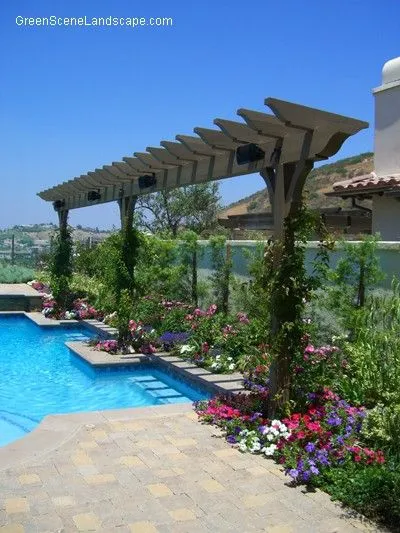
A simple wooden or metal trellis with climbing vines like jasmine or morning glory adds height and softness near your stock tank. Position it against a fence or as a standalone structure a few feet from the pool.
Choose fragrant flowering vines for a sensory bonus while you swim. This pairs beautifully with cottage, Mediterranean, and traditional home styles. Once your vertical greenery is climbing, solar lanterns along the path tie the whole evening look together.
21. Solar Lantern Pathway
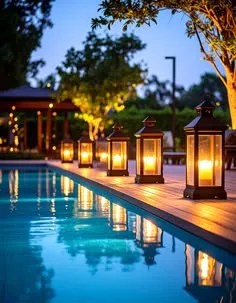
Line your walkway to the pool with solar lanterns for safe nighttime navigation without running electrical wiring. Choose warm-toned LED lanterns in bronze or black finishes for a classic look.
Space them about 3-4 feet apart along your path’s edge. These charge during the day and switch on automatically at dusk. This suits every home style, honestly—it’s just practical. An outdoor rug near the tank’s entry point adds one more comfort layer.
22. Outdoor Rug Zone
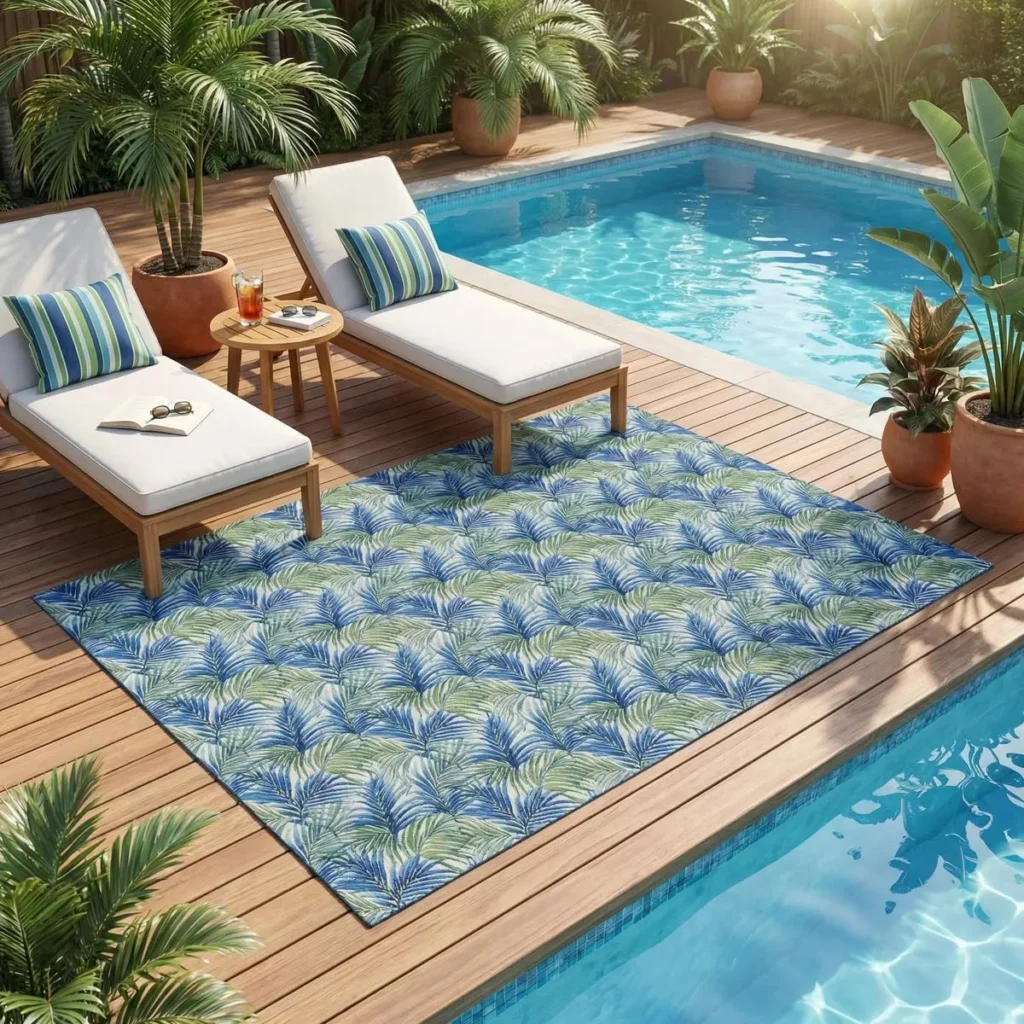
Placing a weather-resistant outdoor rug near your stock tank’s entry point gives wet feet somewhere comfortable to land. Choose polypropylene rugs since they dry fast and resist mold.
Stick to geometric patterns in navy, gray, or terracotta tones that won’t show water stains as easily. This works with coastal, bohemian, and modern styles. For yards with slopes or elevation changes, terracing is the final piece of the puzzle.
23. Multi-Level Terracing
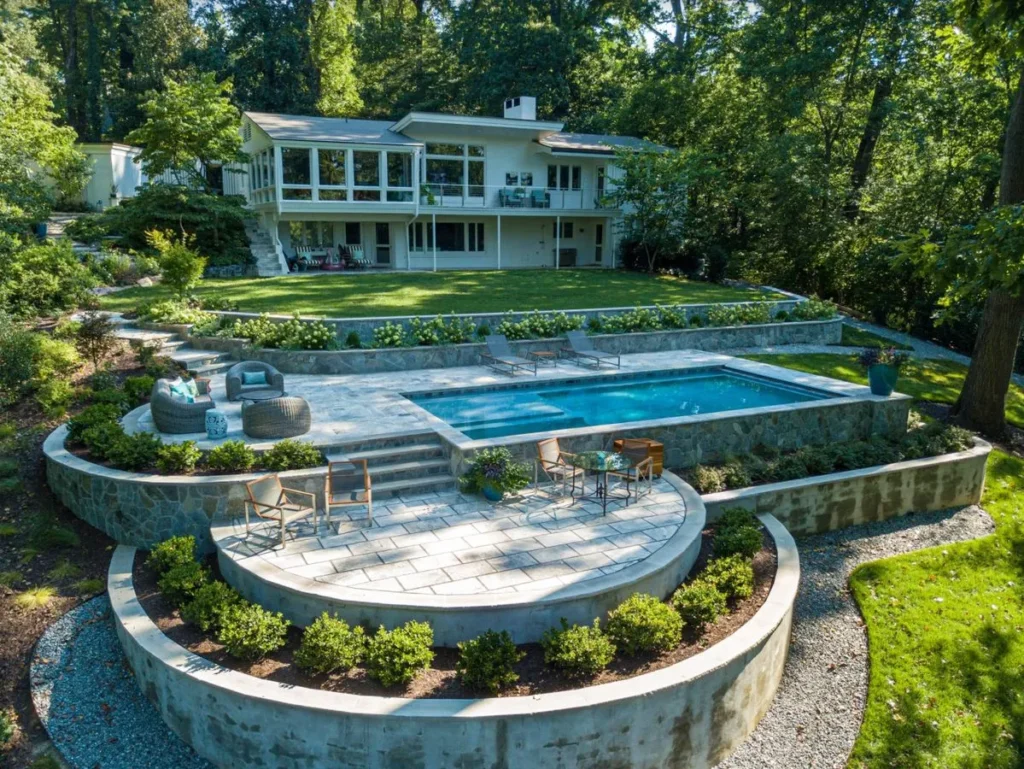
If your yard isn’t flat, terracing turns that challenge into a design feature. Build retaining walls using timber or concrete blocks to create level platforms—one for your tank, another for lounging, maybe a third for a garden bed.
Use consistent materials across all levels so it feels intentional rather than patchwork. This approach suits hillside properties and works with modern, Mediterranean, and rustic styles. With all 23 ideas covered, let’s get into the practical details that make these designs actually succeed.
Ground Material Comparison Table
| Material | Cost (per sq ft) | Drainage | Maintenance | Best For |
|---|---|---|---|---|
| Gravel | $1-$3 | Excellent | Low | Budget builds, industrial style |
| Pavers | $5-$15 | Good | Low | Polished, traditional look |
| Wood Decking | $8-$20 | Fair | Medium | Modern farmhouse, coastal |
| Artificial Turf | $6-$12 | Good | Very Low | Families, minimalist yards |
| Mulch | $0.50-$2 | Excellent | Medium | Garden beds, cottage style |
Plant Selection by Climate Zone
| Climate Zone | Recommended Plants | Watering Needs |
|---|---|---|
| Tropical/Humid | Elephant ear, banana plant, canna lily | High |
| Arid/Desert | Agave, echeveria, sedum | Very Low |
| Temperate | Feather reed grass, hydrangea, clematis | Moderate |
| Coastal | Sea grass, lavender, rosemary | Low-Moderate |
| Cold Climate | Ornamental grasses, hostas, ferns | Moderate |
Tips for Success
Getting your stock tank pool landscaping right comes down to a handful of core practices:
- Always test your soil drainage before choosing gravel, pavers, or turf
- Keep plants at least 18 inches from the tank’s edge to avoid debris in the water
- Choose materials that match your climate zone’s rainfall patterns
- Add lighting in layers—pathway, ambient, and task lighting
- Leave a clear 3-foot walking path around the entire tank perimeter
Common Mistakes and How to Avoid Them
Definition: Overplanting — Cramming too many plants too close together, leading to overgrowth that blocks pool access.
How to avoid it: Space plants according to their mature size, not their size at purchase.
Definition: Poor drainage planning — Failing to account for splash-out water, leading to muddy, mosquito-friendly puddles.
How to avoid it: Grade the ground slightly away from the tank and use permeable materials like gravel.
Definition: Mismatched materials — Combining too many textures or colors, making the space feel chaotic.
How to avoid it: Pick a maximum of three main materials and repeat them throughout the design.
Definition: Ignoring sun exposure — Placing shade-loving plants in full sun (or vice versa), leading to plant death within weeks.
How to avoid it: Track your yard’s sun patterns for a full day before finalizing plant placement.
Similar Variations You Can Try
- Combine two smaller stock tanks side by side with a shared deck for a “his and hers” pool setup
- Sink your stock tank partially into the ground for a more permanent, in-ground pool appearance
- Add a small attached spa tank using a second stock tank with a heater for hot-cold contrast
- Create a kids’ zone with a shallow tank surrounded by soft artificial turf and no hard edges nearby
Wrapping It Up
Stock tank pool landscaping doesn’t have to be complicated, but it does need a plan. Whether you go with gravel and native grasses or build out a full deck with pergola shade, the goal stays the same: create a space that feels finished, functions well, and fits your yard’s specific conditions. I’ve laid out 23 solid starting points here, plus the data and warnings you need to avoid the common pitfalls.
Pick two or three ideas that match your climate, budget, and home style, then build from there. Your stock tank pool landscaping project doesn’t need to look like everyone else’s Pinterest board—it just needs to look like it belongs in your backyard.