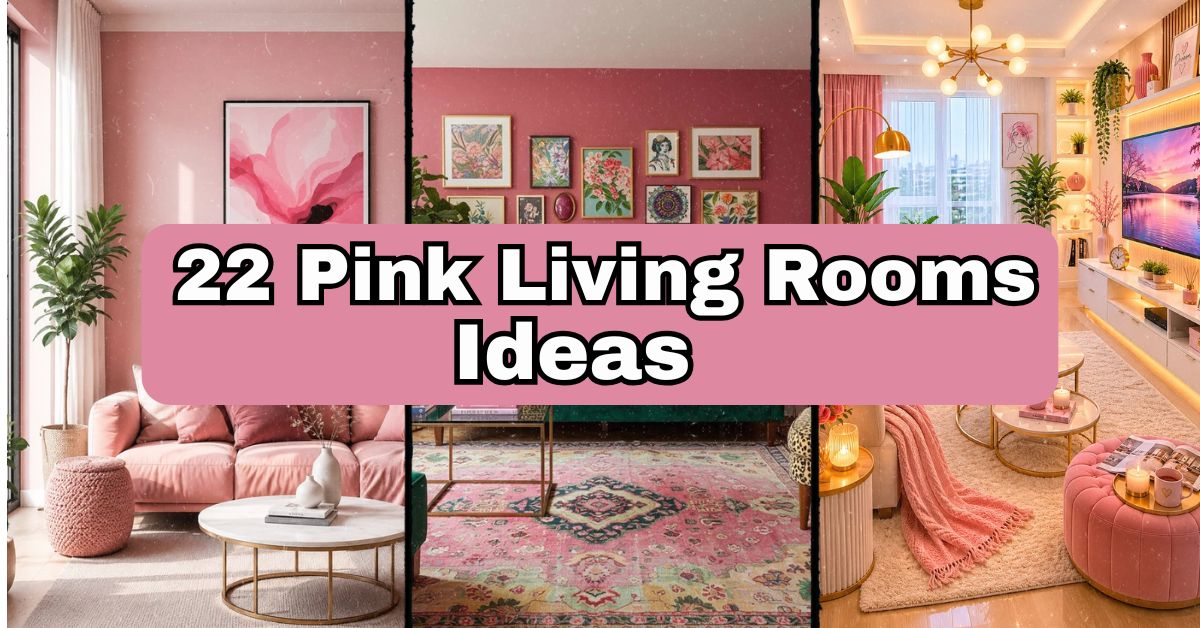
22 Pink Living Rooms Ideas That Prove This Color Isn’t Just for Nurseries
I’ve spent years studying color trends in home design, and pink living rooms have earned their spot as one of the most requested looks in modern interiors. This guide pulls together tested combinations, real furniture picks, and layout tricks that professional designers actually use in their projects.
So what makes a pink living room work? A successful pink living room balances the shade’s warmth with neutral tones, varied textures, and proper lighting. The key is choosing the right pink tone—whether blush, dusty rose, or hot pink—and pairing it with complementary furniture and accents.
Stick around, because I’m about to walk you through 22 distinct pink living room styles, complete with furniture tips, color pairings, and mistakes to dodge. By the end, you’ll know exactly which pink living room fits your space.
Why Pink Living Rooms Are Having a Moment
Pink has shaken off its old reputation. It’s no longer just a “girly” color stuck in kids’ bedrooms. Designers now use pink living rooms to add warmth, softness, and personality to spaces that might otherwise feel cold or generic. I think part of the appeal is flexibility—pink ranges from barely-there blush to bold fuchsia, so there’s a shade for every taste and every room size. It also plays nicely with almost every other color family, from earthy greens to deep navy. Whether you’re renovating a small apartment or refreshing a family room, pink offers a fresh alternative to the beige-and-gray rut so many homes fall into.
1. Blush Pink Minimalist Living Room

Blush pink works wonders in minimalist spaces because it adds warmth without shouting for attention. This look relies on clean lines, uncluttered surfaces, and a restrained color palette built around soft pink walls or a single statement sofa. Pair blush with white oak furniture, linen curtains, and matte black accents for contrast. Keep decorative pieces to a minimum—one ceramic vase, one piece of art, maybe a simple throw blanket. My practical tip: paint just one wall blush and keep the rest white to avoid overwhelming a small room. This style suits modern and Scandinavian homes perfectly, creating a calm, breathable atmosphere that feels expensive without trying too hard. Next, let’s turn up the drama a notch.
2. Dusty Rose Traditional Living Room

Dusty rose brings old-world charm into a living room without feeling dated. This muted, grayish-pink shade pairs beautifully with traditional furniture pieces like tufted sofas, wingback chairs, and ornate wood coffee tables. Choose brass or antique gold hardware to complement the softness of dusty rose walls or upholstery. Layer in patterned rugs, floral curtains, and vintage lamps for added depth. A practical tip here: use dusty rose as your wall color and balance it with darker wood tones so the room doesn’t feel washed out. This combination suits traditional and transitional homes especially well, giving the space a timeless, lived-in warmth. If dusty rose feels too quiet, the next idea kicks things up several notches.
3. Hot Pink Maximalist Living Room

Hot pink living rooms aren’t for the faint of heart, but they’re unforgettable. Maximalism thrives on bold color, mixed patterns, and layered textures, and hot pink is the perfect anchor. Combine a hot pink velvet sofa with patterned throw pillows, gallery walls, and mismatched vintage furniture. Don’t shy away from clashing prints—stripes, florals, and geometric patterns can coexist if pink ties them together. My tip: use hot pink sparingly on one large piece (like a sofa) rather than every wall, so the room stays playful instead of chaotic. This style fits eclectic and bohemian homes best, creating an energetic, conversation-starting space. Now let’s dial things back with a trendier, softer approach.
4. Millennial Pink Scandinavian Living Room

Millennial pink—that soft, slightly warm beige-pink—pairs naturally with Scandinavian design principles. Think light wood floors, simple furniture silhouettes, and plenty of natural light. Choose a millennial pink accent chair or sofa, then surround it with white walls, natural fiber rugs, and greenery. Keep decor sparse but intentional: one wool throw, a few candles, minimal wall art. A helpful tip is to add texture through knit blankets or woven baskets since Scandinavian rooms rely on texture instead of pattern for visual interest. This pairing suits modern and minimalist homes, producing a cozy yet uncluttered atmosphere. Ready for something with a little more sparkle? Let’s talk glam.
5. Pink and Gold Glam Living Room

Pink and gold together practically scream luxury. This combination works because gold’s warmth intensifies pink’s softness, creating a rich, glamorous feel. Use a blush or rose pink sofa as your base, then add gold-framed mirrors, brass side tables, and metallic light fixtures. Velvet upholstery and silk curtains push the glam factor even further. My tip: stick to one or two gold-toned metals throughout the room (brass or gold, not both) to avoid a mismatched look. This style suits glam and Art Deco-inspired homes, creating a space that feels like a five-star hotel lobby. If gold feels like too much shine, navy offers a grounding contrast instead.
6. Pink and Navy Contrast Living Room

Pink and navy create a striking, sophisticated contrast that works in almost any home. The deep navy grounds the softness of pink, preventing the room from feeling too delicate. Use navy as your dominant color on walls or a large sectional, then add pink through throw pillows, art, or an accent chair. Brass or gold hardware ties the two colors together nicely. Practical tip: keep pink to about 20-30% of the room’s color scheme so navy doesn’t get overshadowed. This combo suits modern and coastal homes, giving the space a confident, polished look. Next, let’s explore what happens when pink meets plush velvet.
7. Pink Velvet Accent Living Room
Velvet adds instant richness to any pink living room, and this idea focuses on using velvet as the star texture. A pink velvet sofa or a pair of velvet accent chairs instantly elevates a neutral room. Surround the velvet piece with simpler textures—linen curtains, a jute rug, wood furniture—so the velvet doesn’t compete for attention. My tip: choose a deeper pink shade (like rose or mauve) for velvet pieces since lighter pinks can look washed out in this fabric. This works beautifully in modern, transitional, and glam homes, adding tactile warmth to the space. Now let’s shift gears toward a more relaxed, earthy pink palette.
8. Pale Pink Boho Living Room

Boho living rooms thrive on warmth and texture, and pale pink fits right in. This look combines pale pink walls or textiles with rattan furniture, macrame wall hangings, and layered rugs. Add plants generously—hanging pothos, fiddle leaf figs, or dried pampas grass all complement pale pink beautifully. Mix in warm wood tones and terracotta accents for balance. A practical tip: layer at least two rugs of different textures to build that lived-in boho feel. This style suits bohemian and eclectic homes, creating a relaxed, sun-soaked atmosphere perfect for lounging. Speaking of walls, let’s talk about making pink the true focal point.
9. Pink Accent Wall Living Room

Sometimes one bold wall says more than an entire room of pink ever could. This idea uses a single accent wall—painted or wallpapered in pink—as the room’s focal point. Keep the remaining walls neutral (white, gray, or beige) and let furniture stay simple so the wall gets the spotlight. Choose furniture in complementary neutral tones like cream, tan, or charcoal. My tip: place your accent wall behind the sofa or TV area, since that’s where eyes naturally land first. This approach works in nearly every home style, from modern to traditional, offering commitment-free color without repainting the entire room. Next, let’s bring nature into the mix.
10. Pink and Green Botanical Living Room

Pink and green mimic nature’s own color pairing—think flowers and leaves—making this combo feel fresh and alive. Use sage or emerald green as your base color on walls or furniture, then add pink through pillows, art, or a statement chair. Incorporate plenty of houseplants to reinforce the botanical theme. Botanical print wallpaper or curtains can tie the whole look together. Practical tip: choose a green with warm undertones (like sage) rather than cool green to keep the pairing harmonious with pink. This combination suits modern, boho, and cottagecore homes, creating a fresh, garden-inspired atmosphere. Let’s move to a more urban, grown-up pairing next.
11. Pink and Grey Modern Living Room

Grey provides the perfect neutral backdrop for pink to shine without overwhelming a room. This modern pairing uses light or dark grey walls and furniture as the foundation, with pink introduced through accent pieces like throw pillows, an area rug, or a single accent chair. Choose furniture with clean, simple lines to keep the modern aesthetic intact. My tip: use a warm grey (rather than a cool, blue-toned grey) since it pairs more naturally with most pink shades. This look suits modern and contemporary homes, delivering a sophisticated, balanced space that feels current without being trendy for trendy’s sake. Now, let’s head toward the coast.
12. Coral Pink Coastal Living Room

Coral pink brings a beachy, sun-kissed energy that fits coastal living rooms perfectly. Combine coral accents with white or sandy beige furniture, natural fiber textures, and plenty of blue undertones through art or textiles. Rattan and wicker furniture pieces reinforce the relaxed coastal vibe. A practical tip: use coral sparingly through pillows and accessories rather than large furniture pieces, since it’s a strong, saturated shade. This style fits coastal and Mediterranean-inspired homes, bringing a cheerful, vacation-like feel into everyday living. From beachy vibes, let’s ground ourselves back in earthy tones.
13. Pink and Terracotta Earthy Living Room
This warm, earthy pairing feels grounded and inviting. Terracotta’s rusty orange-brown tones complement pink beautifully, especially in dustier or muted pink shades. Use terracotta on larger furniture pieces or walls, then layer pink through cushions, throws, or ceramic accents. Natural materials like clay pottery, wood, and woven textiles enhance the earthy feel. My tip: avoid cool-toned pinks here—stick with warm blush or dusty rose so the palette stays cohesive. This combination suits Mediterranean, boho, and rustic homes, creating a cozy, sun-baked atmosphere reminiscent of desert landscapes. Next, let’s try something a little edgier.
14. Pink and Black Contemporary Living Room

Black and pink create striking contrast that feels bold yet sophisticated. Use black as your anchor color through furniture frames, light fixtures, or an accent wall, then let pink soften the space through upholstery or soft furnishings. This pairing works especially well with geometric patterns and clean-lined furniture. Practical tip: balance the ratio carefully—too much black can feel harsh, so aim for black as an accent rather than the dominant color. This style suits contemporary and Art Deco homes, producing a confident, statement-making living room. Let’s soften things again with a nostalgic touch.
15. Pink Floral Vintage Living Room

Floral patterns and pink go together like old friends, and this vintage-inspired look leans into that relationship fully. Choose floral wallpaper, curtains, or upholstery in pink tones, then furnish with antique or vintage-style pieces—wooden side tables, vintage lamps, tufted armchairs. Layer in lace, doilies, or crochet accents for extra nostalgia. My tip: if full floral wallpaper feels risky, start with floral throw pillows or a floral armchair instead. This style suits traditional, cottagecore, and vintage-loving homes, creating a warm, nostalgic atmosphere that feels like grandma’s house—but chic. Now let’s try an entirely different approach: going monochrome.
16. Monochromatic Pink Living Room

Going fully monochromatic means using various shades and tints of pink throughout the entire room. This creates a cohesive, enveloping effect rather than a jarring pop of color. Combine light blush walls with medium rose furniture and deeper mauve accents for depth. Texture becomes crucial here—mix velvet, linen, and wood finishes to keep the room visually interesting despite the single color family. Practical tip: vary the pink shades by at least two to three tones to avoid a flat, one-dimensional look. This style suits modern and maximalist homes alike, creating an immersive, cocoon-like atmosphere. Let’s balance things with crisp white next.
17. Pink and White Farmhouse Living Room

Farmhouse style usually leans neutral, but pink adds unexpected softness without breaking the aesthetic. Use white as your dominant color on walls and larger furniture, then introduce pink through textiles—pillows, throws, or a slipcovered accent chair. Shiplap walls, wood beams, and vintage-inspired decor keep the farmhouse feel intact. My tip: choose a soft, muted pink (like dusty rose) rather than bright pink to stay true to farmhouse’s understated charm. This combination suits farmhouse and country-style homes, adding a gentle, feminine touch to a traditionally rustic space. Now let’s look up—literally.
18. Pink Ceiling Statement Living Room

Most people forget the ceiling entirely, but painting it pink creates a surprising, memorable effect. This “fifth wall” approach works especially well in rooms with high ceilings or decorative molding. Keep the walls neutral (white or cream) so the ceiling truly stands out. Furniture should stay simple and light-colored to avoid competing visually. Practical tip: use a slightly lighter shade of pink on the ceiling than you’d use on walls, since color often appears darker overhead due to lighting angles. This bold choice suits modern and eclectic homes, adding drama and personality without touching the walls or furniture at all. Let’s bring in some natural wood warmth next.
19. Pink and Wood Mid-Century Living Room

Mid-century modern design and pink have a long, happy history together. Combine warm wood tones—teak, walnut, or oak—with dusty pink or coral upholstery on retro-shaped furniture. Clean lines, tapered legs, and simple geometric patterns keep the look authentic. Add brass accents and simple abstract art to complete the vibe. My tip: choose furniture with visible wood legs rather than upholstered bases, since exposed wood is a defining mid-century trait. This style suits mid-century and retro-inspired homes, creating a warm, nostalgic space with serious design credibility. Next, let’s add a touch of old Hollywood glamour.
20. Pink Art Deco Living Room

Art Deco loves bold geometry, rich materials, and dramatic color, making it a natural partner for pink. Use pink alongside black, gold, and mirrored surfaces for that unmistakable glamorous edge. Furniture should feature curved silhouettes, velvet upholstery, and geometric patterns on rugs or wallpaper. Statement lighting—think sunburst mirrors or geometric chandeliers—finishes the look. Practical tip: incorporate at least one mirrored or metallic surface to catch light and enhance the glam factor. This style suits Art Deco and glam homes, transporting your living room straight into a 1920s Gatsby fantasy. Now let’s cozy things up considerably.
21. Pink and Cream Cozy Living Room

Pink and cream together create one of the softest, most soothing color combinations available. Use cream as your dominant wall and furniture color, then layer in blush or dusty pink through textiles—throws, pillows, curtains. Chunky knit blankets, plush rugs, and soft lighting enhance the cozy factor. My tip: add warm lighting (think warm white bulbs, not cool white) since it enhances both cream and pink tones beautifully. This combination suits traditional, farmhouse, and transitional homes, creating an inviting, hug-you-back atmosphere perfect for relaxing evenings. Finally, let’s finish with an unexpected pairing.
22. Pink Industrial Loft Living Room

Pink might seem like an odd match for industrial spaces, but the contrast actually works beautifully. Use exposed brick, concrete floors, or metal accents as your backdrop, then soften the space with a pink sofa or accent chair. Leather and metal furniture pieces balance pink’s softness with industrial edge. Practical tip: choose a deeper, muted pink (like mauve or terracotta-pink) rather than pastel shades, since it holds up better against raw industrial materials. This style suits loft and industrial homes, proving that even the toughest spaces can handle a little softness.
Pink Shade Comparison Table
| Pink Shade | Best Paired With | Ideal Room Style | Mood Created |
|---|---|---|---|
| Blush | White, oak wood | Minimalist, Scandinavian | Calm, airy |
| Dusty Rose | Brass, dark wood | Traditional, transitional | Warm, timeless |
| Hot Pink | Black, patterns | Maximalist, eclectic | Bold, energetic |
| Millennial Pink | Natural wood, white | Scandinavian, modern | Soft, trendy |
| Coral | Sandy beige, blue | Coastal, Mediterranean | Cheerful, breezy |
| Mauve | Grey, black | Industrial, contemporary | Sophisticated, moody |
| Terracotta-Pink | Clay, wood | Rustic, boho | Earthy, grounded |
Furniture and Material Guide
| Furniture Piece | Recommended Pink Shade | Suggested Material |
|---|---|---|
| Sofa | Blush, dusty rose | Velvet, linen |
| Accent Chair | Hot pink, coral | Velvet, boucle |
| Curtains | Pale pink, millennial pink | Linen, cotton |
| Rug | Mauve, dusty rose | Wool, jute blend |
| Wall Paint | Any shade | Matte or eggshell finish |
Tips for Success
- Test paint samples on your actual wall before committing, since lighting changes how pink appears throughout the day.
- Balance pink with at least one neutral (white, grey, or beige) to prevent the room from feeling overwhelming.
- Use metallics like brass or gold sparingly to add warmth without competing with pink’s softness.
- Mix textures generously—velvet, linen, wood, and metal all keep a pink room from feeling flat.
- Start small with pillows or throws if you’re unsure about committing to a full pink sofa or wall.
Common Mistakes and How to Avoid Them
Mistake: Choosing a pink shade with the wrong undertone for your lighting.
How to avoid it: Warm pinks work best in rooms with lots of natural light, while cooler pinks suit rooms with artificial or north-facing light.
Mistake: Overloading the room with a single pink tone.
How to avoid it: Vary your pinks slightly across different pieces to create depth instead of flatness.
Mistake: Ignoring texture entirely.
How to avoid it: Combine at least three different textures (velvet, wood, wool, linen) so the room feels layered, not flat.
Mistake: Using pink on every surface at once.
How to avoid it: Pick one or two dominant areas for pink (like a sofa or accent wall) and keep the rest neutral.
Similar Variations Worth Trying
- Swap pink for mauve if you want a moodier, more sophisticated version of these same ideas.
- Try dusty peach as a warmer alternative that pairs just as well with wood and brass.
- Combine two pink shades in one room (like blush and rose) for a tonal effect without adding another color family.
- Experiment with pink in unexpected spots—door frames, built-in shelving, or even the underside of stairs.
I hope these 22 pink living rooms ideas gave you plenty of inspiration for your own space. From soft blush minimalism to bold hot pink maximalism, pink proves it can adapt to nearly any home style while adding warmth and personality that neutral colors simply can’t match.
Whichever direction you choose, remember that pink living rooms work best when balanced with the right textures, neutrals, and lighting. Start small, experiment with samples, and trust that pink can transform your living room into a space you actually love spending time in.