22 Living Room Styling Tips That Actually Work
Deciding how to style a living room properly can be challenging; however, in my experience, it’s been quite an undertaking figuring out what works and what doesn’t in practice. This post covers practical styling ideas that people can use, as opposed to just looking at pretty photos with nothing explained behind them.
What are the best living room styling ideas? The best living room styling ideas include creating a focal point, applying layered lighting, balancing furniture scale, applying a harmonious color scheme, and working with texture. All of these basics will help to create an attractive living room regardless of design style: from modern to traditional.
Stay tuned because I’m going to show you 22 living room ideas with tables, mistakes to avoid, and variations to consider based on personal preferences and budget.
Why Most Living Room Advice Falls Short
Here’s the thing. A lot of articles show you gorgeous rooms without telling you why they work or how to recreate that feeling in your own space. I want to fix that. Below, I’m breaking down each idea into something you can actually act on this weekend, not just admire on Pinterest. Let’s get into it.
1. Define a Focal Point

Every great living room has one thing that pulls your eye in first. This could be a fireplace, a large window, a piece of art, or even a bold accent wall. Without a focal point, furniture tends to float aimlessly and the room feels disorganized. Arrange your seating to face or frame this feature, and keep competing elements minimal nearby.
For furniture, choose one anchor piece like a sofa positioned to highlight the focal point. Stick to neutral tones on surrounding walls so the feature stands out. This works beautifully in traditional homes with fireplaces and modern homes with statement art. Once your focal point is set, everything else falls into place around it.
2. Choose a Cohesive Color Palette

Nothing pulls a room together faster than a color scheme that makes sense. I always recommend picking three colors: a dominant neutral, a secondary tone, and one accent color for pops of personality. Too many competing colors make a space feel chaotic.
Use the 60-30-10 rule: 60% dominant color (walls, large furniture), 30% secondary (curtains, rugs), and 10% accent (pillows, art). This applies whether you’re going for a moody dark palette or a soft, airy one. Coastal homes lean into blues and whites, while modern farmhouse spaces favor warm neutrals with black accents. Once your palette is locked in, choosing furniture and decor becomes so much easier.
3. Layer Your Lighting

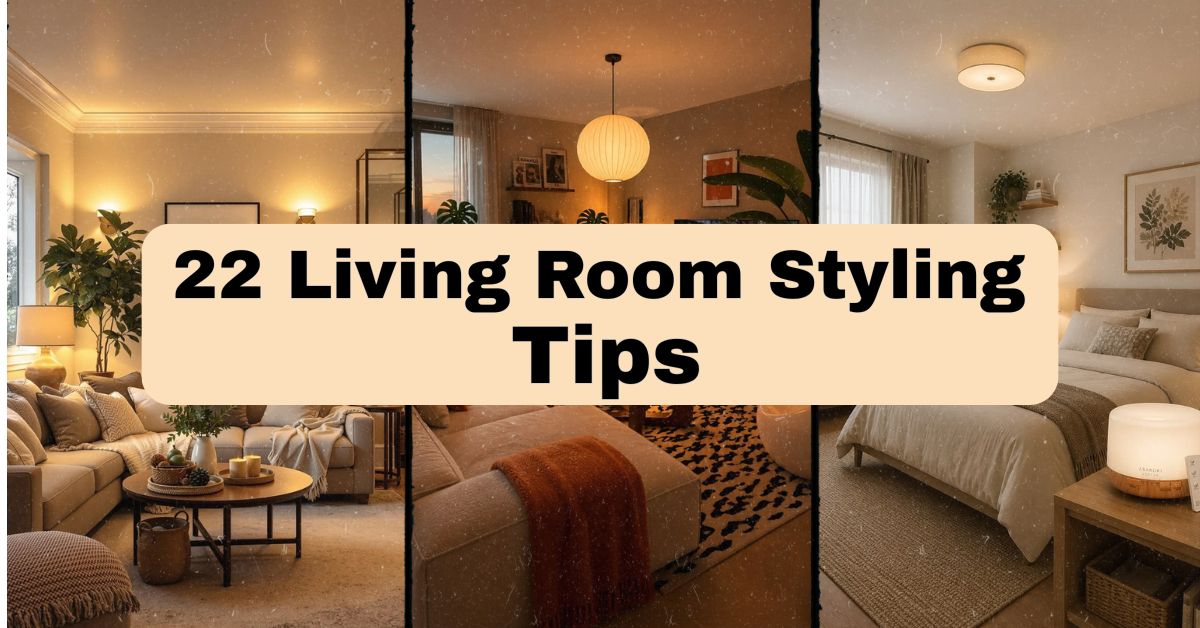
A single overhead light will never make your living room feel warm or inviting. Real coziness comes from layering three types of lighting: ambient, task, and accent. Think ceiling fixtures, floor lamps, and small table lamps working together.
Dimmer switches are a game changer here, letting you adjust brightness for movie nights versus daytime reading. Place lamps at varying heights to create visual interest and shadow play. This tip suits every home style, though industrial lofts often use exposed bulb fixtures while traditional homes favor fabric shades. Good lighting doesn’t just illuminate a room, it sets the entire mood.
Lighting Types Compared
| Lighting Type | Purpose | Best Placement | Example Fixture |
|---|---|---|---|
| Ambient | Overall room brightness | Ceiling center | Flush mount, chandelier |
| Task | Focused activity light | Beside reading chair | Floor lamp, desk lamp |
| Accent | Highlight decor or art | Near shelves, art | Wall sconce, picture light |
4. Mix Textures for Depth

Flat, single-texture rooms feel boring fast. I always tell people to combine at least three textures: something soft (velvet cushions), something rough (a jute rug), and something smooth (a glass coffee table). This contrast adds depth without needing extra color.
Try pairing a linen sofa with a chunky knit throw and leather accent chair. Textures add warmth to minimalist spaces and richness to traditional ones. A quick tip: touch fabrics before buying, since texture matters as much as color when styling from photos alone. This small shift makes rooms feel curated rather than thrown together.
5. Invest in a Statement Rug

Rugs anchor a room the way a good pair of shoes finishes an outfit. A too-small rug makes furniture look disconnected, while the right size pulls everything together visually.
Rug Sizing Guide by Room Size
| Room Size | Recommended Rug Size | Furniture Placement |
|---|---|---|
| Small (under 120 sq ft) | 5×7 ft | Front legs of furniture on rug |
| Medium (120-200 sq ft) | 8×10 ft | All furniture legs on rug |
| Large (200+ sq ft) | 9×12 ft or larger | Fully anchors seating group |
Choose patterns for hiding wear in high-traffic homes, or solid colors for smaller spaces to avoid visual clutter. Rugs work in every style, from Persian patterns in traditional rooms to jute weaves in bohemian spaces.
6. Balance Furniture Scale

Oversized couches in tiny rooms, or dainty chairs in huge living rooms, both throw off balance. Measure your space first, then choose furniture proportional to the room’s square footage.
A good rule: leave at least 30 inches of walking space between major pieces. Mix larger anchor furniture like sofas with smaller accent chairs to avoid a showroom feel. This principle matters most in open floor plans and studio apartments where furniture, not walls, defines the room. Getting scale right instantly makes a space feel more comfortable and intentional.
7. Create Conversation-Friendly Seating

Living rooms exist for connection, not just staring at a screen. Arrange seating in a circle or U-shape so people can actually talk to each other without shouting across the room.
Keep coffee tables within arm’s reach of every seat. Add a bench or extra ottoman for flexible seating during gatherings. This layout works wonderfully in family homes and social spaces, though media-focused rooms may prioritize screen-facing arrangements instead. A conversation-friendly layout turns a living room into the heart of the home.
8. Add Greenery and Botanicals

Plants bring life into a room that furniture and decor simply can’t replicate. Even one large plant, like a fiddle leaf fig or snake plant, adds color and texture instantly.
For low-maintenance options, try pothos or ZZ plants. Group smaller plants in clusters of three for visual impact. Greenery softens modern minimalist spaces and adds lushness to bohemian rooms. Plus, plants genuinely improve air quality, which is a nice bonus beyond just looks.
9. Use Mirrors to Expand Space

Mirrors are secretly one of the best tools for small living rooms. They bounce light around and create the illusion of more square footage.
Place a large mirror across from a window to reflect natural light deeper into the room. Choose ornate frames for traditional spaces or sleek, frameless designs for modern homes. A quick tip: avoid placing mirrors directly across from clutter, since they’ll reflect that too. Done right, mirrors make even the smallest living room feel open and bright.
10. Curate Wall Art Thoughtfully

Empty walls make a room feel unfinished, but randomly hung art can feel messy. Group pieces using a gallery wall approach, or commit to one large statement piece above the sofa.
Hang art at eye level, roughly 57 inches from the floor to the center of the piece. Mix frame styles for eclectic homes, or keep frames uniform for a cleaner, modern look. Art personalizes a space more than almost any other element, turning blank walls into conversation starters.
11. Incorporate Multi-Functional Furniture

Small living rooms benefit hugely from furniture that pulls double duty. Think ottomans with storage, coffee tables with drawers, or sofa beds for guest space.
This approach suits apartments and multi-purpose rooms best, where every square foot counts. Look for nesting tables that expand when needed but tuck away otherwise. Multi-functional furniture keeps a room clutter-free while still meeting practical needs.
12. Layer Throw Pillows and Blankets

Pillows and blankets are the easiest, cheapest way to refresh a living room’s look. Mix sizes and patterns, but stick to your color palette to avoid visual chaos.
A simple formula: two large pillows, two medium, and one accent pillow per sofa. Drape a textured throw blanket over the arm of a chair for effortless coziness. This works in every style, from farmhouse to contemporary, and lets you switch up seasons without buying new furniture.
13. Choose Curtains That Elongate Walls
Short curtains hung right above the window make ceilings look lower than they are. Instead, hang curtain rods close to the ceiling and let fabric fall just above or brush the floor.
This trick instantly makes rooms feel taller and more elegant. Choose lighter fabrics for airy, casual spaces and heavier drapes for formal, traditional rooms. Curtains frame your windows the same way art frames a wall, so don’t skip this detail.
14. Add a Coffee Table with Personality

A boring coffee table is a missed opportunity. Look for unique shapes, materials, or vintage finds that add character without overwhelming the room.
Round tables work well in tight spaces since they avoid sharp corners. Wood and metal combinations suit industrial styles, while marble tops fit glam or modern rooms. Style the surface with a tray, a stack of books, and one small plant for an effortlessly curated look.
15. Use the Rule of Three in Accessories

Grouping decor in threes feels more balanced to the eye than pairs or single items. This applies to candles, vases, books, or small sculptures on shelves and tables.
Vary the height of grouped items slightly for visual interest. This principle works across nearly every design style and is one of the simplest tricks for instantly improving shelf or table styling.
16. Create Zones in Open-Concept Spaces
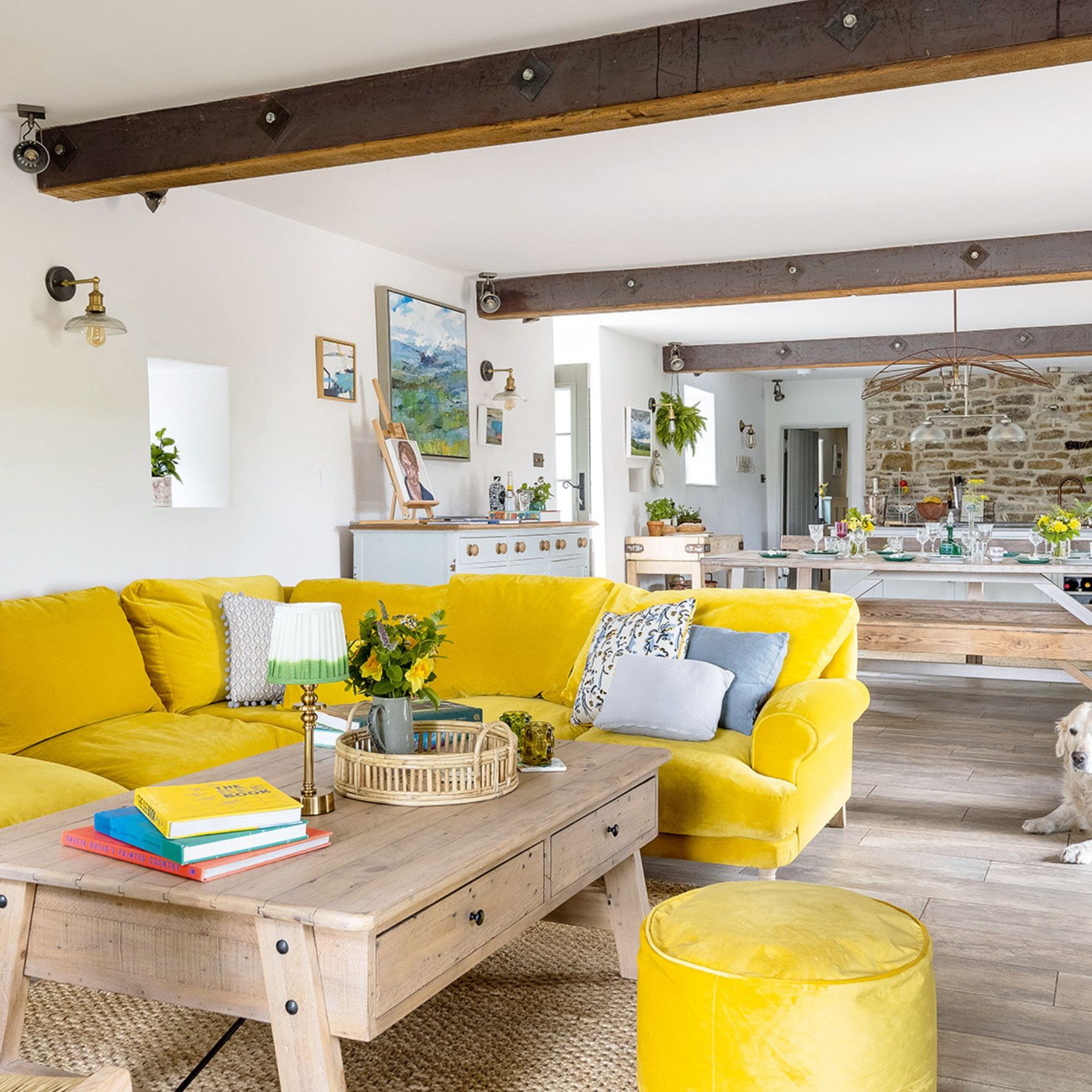
Open floor plans can feel directionless without clear zones. Use rugs, furniture placement, or lighting to visually separate the living room from dining or kitchen areas.
A large sectional can act as a soft divider without needing walls. This tip is essential for modern open-concept homes and loft-style apartments where distinct “rooms” don’t technically exist.
17. Bring in Vintage or Antique Pieces
One vintage piece, whether it’s a chair, trunk, or mirror, adds history and warmth that brand-new furniture can’t replicate. Mixing old with new prevents a room from feeling too sterile or showroom-like.
Thrift stores and estate sales are goldmines for unique finds. This works especially well in eclectic, farmhouse, and traditional homes, giving the space a lived-in, collected-over-time feeling.
18. Use Bookshelves as Design Elements

Bookshelves aren’t just storage, they’re prime real estate for styling. Mix books with decorative objects, plants, and framed photos rather than lining shelves with only books.
Group items by color for a curated, editorial look, or keep it casual and personal for a cozy family feel. This approach suits nearly any style and turns a functional piece into a visual highlight.
19. Add Ambient Scent

Scent is often overlooked in styling, but it shapes how a room feels the moment someone walks in. Candles, diffusers, or fresh flowers add a sensory layer that photos can’t capture but guests definitely notice.
Choose warm scents like sandalwood for cozy traditional spaces, or fresh citrus and linen scents for bright modern rooms. This small addition makes a huge emotional impact.
20. Choose a Statement Ceiling or Wall Treatment
Don’t ignore the fifth wall. Painted ceilings, wallpaper, or wood paneling add unexpected drama to an otherwise plain living room.

This works particularly well in smaller rooms where a bold ceiling adds personality without taking up floor space. Traditional homes might use crown molding and paneling, while modern spaces favor bold paint or geometric wallpaper.
21. Incorporate Smart Storage Solutions

Clutter kills good styling faster than anything else. Built-in shelving, baskets, and hidden storage benches keep everyday items out of sight while staying accessible.
Baskets work well for blankets and toys in family-friendly spaces. This tip is non-negotiable for small apartments where storage space is limited but style still matters.
22. Personalize with Meaningful Objects

Finally, a living room should feel like yours. Family photos, travel souvenirs, or handmade items add authenticity that no amount of expensive decor can replicate.
Mix these personal touches with your existing color palette so they blend rather than clash. This final layer is what separates a beautifully staged room from a home that truly feels lived in.
Tips for Success
- Start with a budget before shopping for furniture or decor
- Measure your space before buying anything large
- Choose function first, then style, for every furniture piece
- Test paint colors on the wall before committing
- Shop slowly and layer decor over time instead of all at once
Common Mistakes and How to Avoid Them
Definition list of frequent styling errors:
Overcrowding the room
: Too much furniture makes spaces feel smaller. Stick to essentials and leave breathing room between pieces.
Ignoring scale
: Furniture that’s too big or too small throws off the entire room’s balance. Always measure first.
Skipping lighting layers
: Relying on one overhead light leaves rooms feeling flat and cold. Add lamps and dimmers.
Choosing rugs too small
: A tiny rug floating in the middle of a large room looks awkward. Size up whenever possible.
Neglecting personal touches
: A room without personality feels like a hotel lobby, not a home. Add items that reflect your story.
Similar Variations You Can Try
- Minimalist styling with fewer, higher-quality pieces
- Maximalist styling layering bold patterns and colors
- Coastal-inspired rooms with light woods and blue accents
- Japandi style blending Japanese minimalism with Scandinavian warmth
- Dark academia living rooms with deep colors and vintage books
Wrapping It Up
These living room styling tips aren’t about following trends blindly. They’re about understanding why certain choices work so you can make decisions that fit your actual space and lifestyle. Start small, maybe with lighting or a new rug, and build from there.
I’ve tried to cover the gaps most guides skip, from sizing charts to common mistakes, so you walk away with something you can actually use. Pick a few living room styling tips from this list, try them this weekend, and watch how much of a difference small, intentional changes can make.