20 90s Living Room Ideas That Bring Back the Best Decade Ever
I have many years of experience exploring archives of design solutions, conversing with interior decorators who were alive during those times, and putting into practice retro designs at my house. That is why you will get proven knowledge of how to decorate living room in 90s style that was tried, tested, and put to use in real life, not just on Pinterest boards.
What are the best ideas for a 90s style living room? The key design ideas of this period included the use of dark colors, plaid and floral fabric for sofas, brick walls, entertainment centers, and wood tones combination (oak, pine). All of these are features of comfortable grunge style.
Stay tuned. I will present you 20 different 90s style living room design ideas including furniture options, color codes, and mistakes to avoid.
Why the 90s Living Room Vibe Is Making a Comeback
Notice how things old suddenly become new again? Well, it’s definitely true about the revival of the 90s décor theme. This is not just some kind of reminiscence, but an absolutely justified trend. 90s living room decoration theme stands out from others since it has warmth and rebelliousness to the current minimalist, white theme of our interior. Chunky furniture, bold patterns, and abundance – all this can give you a breath of fresh air after many years of Scandinavian minimalism ruling every blog. In this article, I will discuss 20 different ways to implement this idea in your interior.
1. Jewel-Toned Color Schemes
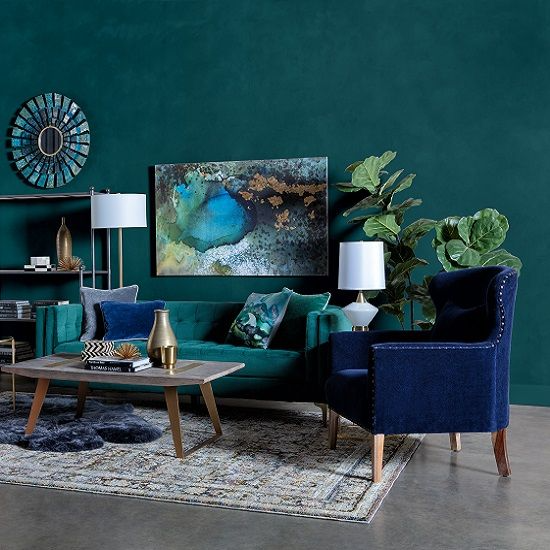
Emerald green, sapphire blue, and burgundy ruled 90s living rooms, and the truth is, they haven’t lost their charm at all. The reason why they suit the decor perfectly is that they create richness without looking too bold, especially on neutral walls. You can choose a velvet or chenille couch in emerald green, and complement it with burgundy throw pillows and a sapphire rug. Dark stained wooden furniture looks great in combination with these colors.
Practical advice: Begin with one furniture item, such as an accent chair, before going all out with your new color palette. It’s particularly good in a classic interior. Now, what about the next color theme? Let’s discuss the earth tones.
2. Earth Tone Palettes
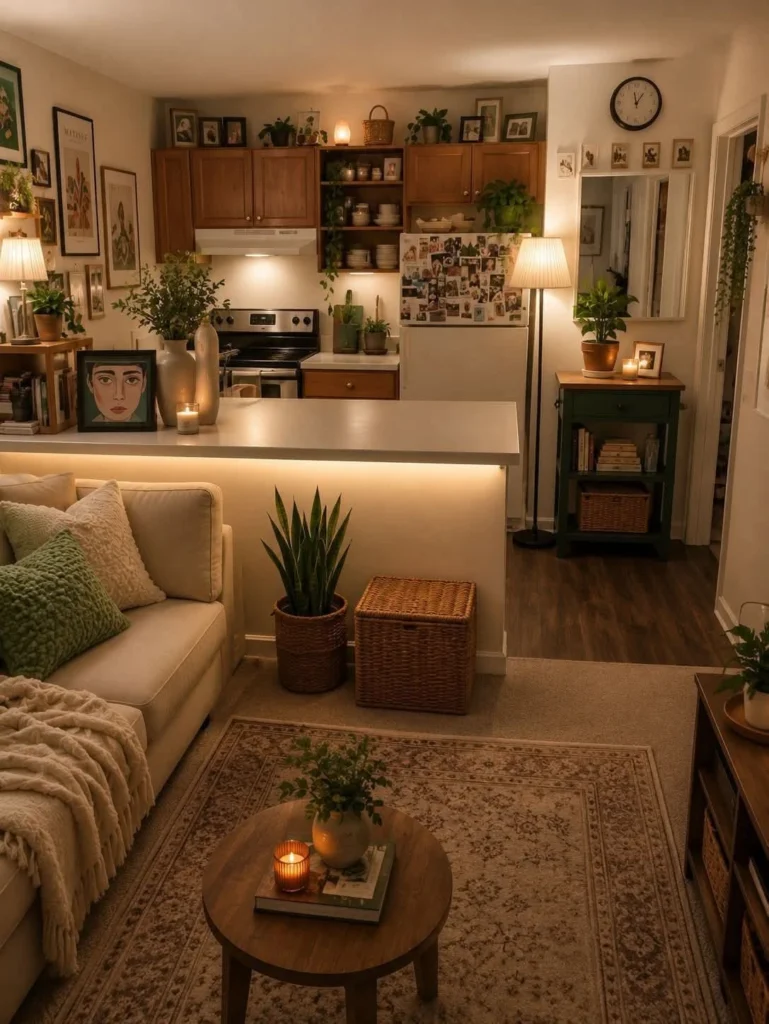
These three colors made 90s interior magazines. This color combination brings warmth to a room because it is cozy and not cold. A rust colored sofa set should be matched with olive cushions and mustard curtains to have an authentic feel. Basket wicker bins and jute rug will go best with this color scheme.
Practical tip: Bring in some plants since they were abundant in 90s houses and complement earth colors. This color combination is ideal for farmhouse and bohemian style homes. Let us now move on to revive the design element that has never left our hearts.
3. Plaid and Flannel Upholstery

Plaid wasn’t just for shirts in the 90s, it covered couches, chairs, and throw blankets too. This pattern brings instant coziness and works surprisingly well in modern farmhouse or cabin-style rooms. Choose a plaid accent chair in muted reds and greens, then balance it with solid-colored walls so the pattern doesn’t overwhelm the space.
Practical tip: Mix plaid with solid textures like leather or corduroy to avoid a costume-like appearance.
This look thrives in rustic and traditional homes. Speaking of textures, floral patterns deserve their own spotlight.
4. Floral Print Furniture
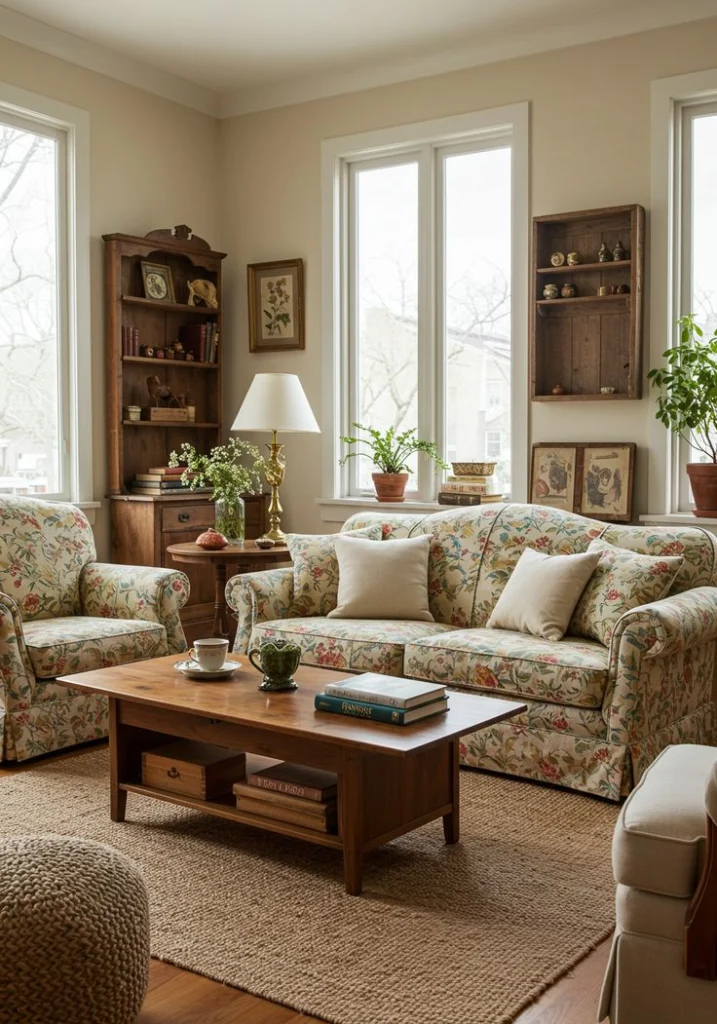
Big, bold floral prints on sofas and armchairs defined many 90s living rooms. This style creates a romantic, cottage-core feeling that’s genuinely having a moment again. Look for floral fabric in muted, vintage-inspired colors rather than bright, cartoonish blooms. Pair with solid wood furniture to keep things from feeling too busy.
Practical tip: Use floral prints sparingly—one statement piece is usually enough. This suits cottage and shabby-chic homes wonderfully. Now let’s talk about a material that screams 90s more than almost anything else.
5. Exposed Brick Accent Walls

Industrial charm met cozy living in 90s homes through exposed brick walls. This design choice adds texture and warmth without requiring much extra decoration. If you don’t have real brick, faux brick panels work just as well and cost significantly less. Pair with leather furniture and metal accents for an authentic industrial-meets-90s feel.
Practical tip: Use warm lighting to highlight brick texture rather than harsh overhead lights. This style fits industrial and loft-style homes perfectly. From walls, let’s move to what sat against them entertainment centers.
6. Wood Entertainment Centers

Before wall-mounted TVs took over, entertainment centers were the living room centerpiece. These sturdy wood units housed TVs, VCRs, and endless VHS collections. Bring this back with a vintage-style media console in oak or pine, complete with cabinet doors and open shelving for books or decor.
Practical tip: Repurpose an entertainment center as a bar cart or display unit if you don’t need TV storage. This works beautifully in traditional and craftsman-style homes. Next, let’s discuss the flooring that anchored these rooms.
7. Berber Carpet Flooring

Neutral, looped Berber carpet was everywhere in 90s living rooms. It’s durable, hides stains well, and gives rooms a soft, comfortable foundation. Choose beige or gray tones to keep things timeless while still nodding to the era. This flooring pairs well with almost any furniture style above it.
Practical tip: If wall-to-wall carpet feels outdated for your taste, a large Berber-style area rug achieves the same look with more flexibility. This suits family-friendly, traditional homes especially well. Let’s shift focus now to the walls themselves.
8. Wallpaper Borders

Remember those decorative strips running along the top of walls? Wallpaper borders were a signature 90s touch. They added pattern and personality without the commitment of covering entire walls. Choose subtle geometric or floral border designs in colors that complement your existing palette.
Practical tip: Modern peel-and-stick borders make this trend easy to try without permanent commitment. This works well in traditional and country-style homes. Now, let’s talk about lighting fixtures that defined the decade.
9. Brass and Gold Fixtures

Shiny brass light fixtures, lamp bases, and hardware were everywhere in 90s homes. This metallic finish adds warmth and a touch of glamour. Pair brass floor lamps with warm-toned lampshades and brass picture frames scattered on shelves and walls.
Practical tip: Mix brass with matte black accents to keep the look from feeling too dated or shiny. This style suits transitional and glam-inspired homes. From lighting, let’s move to a furniture arrangement staple.
10. Sectional Sofas with Recliners
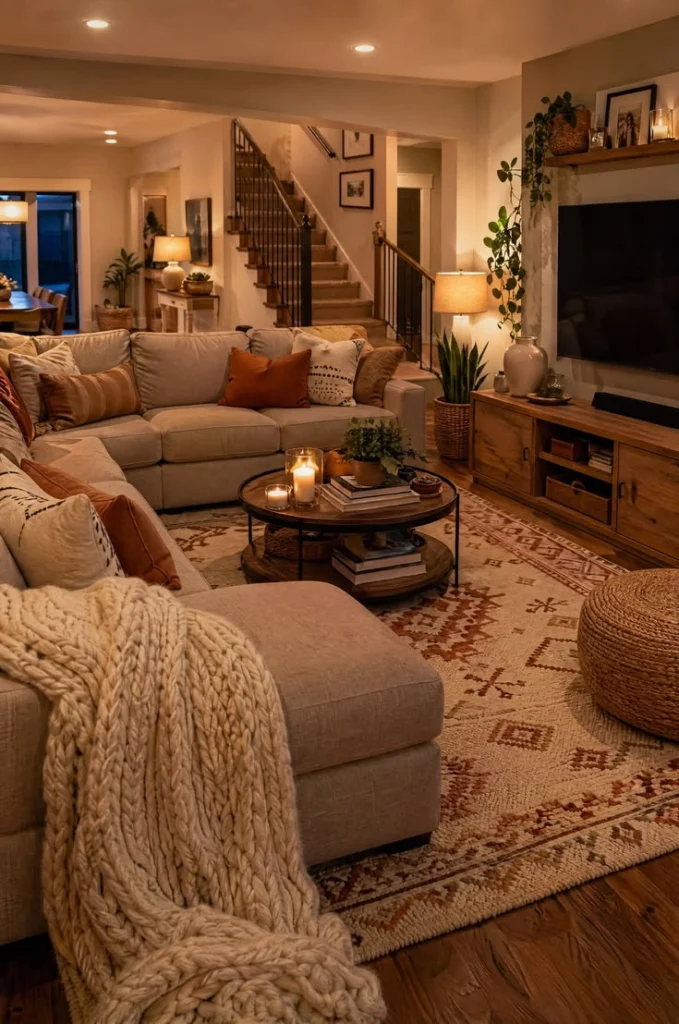
The 90s gave us the beloved sectional-with-built-in-recliner combo, perfect for movie nights and lazy Sundays. These oversized, comfort-first pieces prioritized function alongside style. Look for a modern sectional with reclining features in neutral or jewel-toned upholstery for an updated take.
Practical tip: Arrange the sectional facing the entertainment center or fireplace for that authentic 90s family room feel. This works great in family-oriented, casual homes. Let’s discuss a decorative element that added instant texture.
11. Chunky Knit Throws and Pillows

Textured, chunky knit blankets draped over sofa arms were a hallmark of cozy 90s living rooms. This detail adds visual interest and physical comfort simultaneously. Choose cream or oatmeal-colored throws to contrast against darker furniture.
Practical tip: Layer two or three throws of different textures for added depth. This suits cottage, farmhouse, and traditional homes alike. Next, let’s explore window treatments from the era.
12. Layered Curtains and Valances

90s windows often featured layered treatments—sheer curtains topped with fabric valances or swags. This created a formal, finished look that framed windows beautifully. Choose complementary fabrics in similar color families to avoid a mismatched appearance.
Practical tip: Keep valances simple if your room already has busy patterns elsewhere. This works well in traditional and formal living rooms. Now let’s talk about a wall treatment that added serious texture.
13. Textured Popcorn or Stucco Ceilings

Though less popular today, textured ceilings were standard in 90s construction. This detail adds visual interest overhead, something many modern homes lack entirely. If you have this feature already, embrace it rather than fighting it with expensive removal.
Practical tip: Paint textured ceilings a soft white or cream to keep them from feeling heavy. This suits traditional and older-home renovations. Let’s shift to a decorative accessory that filled every 90s shelf.
14. Framed Family Photo Collages

Gallery walls existed before Instagram made them trendy—90s homes displayed framed family photos in clusters on walls and shelves. This personal touch made living rooms feel warm and lived-in. Mix frame sizes and finishes for an authentic, collected-over-time look.
Practical tip: Use a mix of black, wood, and gold frames rather than matching sets for genuine vintage charm. This works in every home style imaginable. Next, let’s discuss a rug style that grounded these rooms.
15. Southwestern-Inspired Rugs

Geometric, Southwestern-patterned rugs in terracotta, turquoise, and cream brought bold pattern underfoot. This style adds visual interest to otherwise simple rooms. Pair with neutral furniture to let the rug remain the focal point.
Practical tip: Choose a rug slightly larger than your seating area so all furniture legs rest on it. This suits Southwestern, bohemian, and eclectic homes. Let’s move to a furniture material that added natural texture.
16. Wicker and Rattan Accents

Wicker furniture and rattan accents brought natural texture into 90s living rooms. These materials feel organic and pair beautifully with earth-tone palettes. Choose a wicker armchair or rattan side table to introduce this texture without overcommitting.
Practical tip: Add a cushion in a complementary color to make wicker furniture more comfortable for daily use. This works well in coastal, bohemian, and cottage-style homes. Now, let’s discuss a decorative collectible that filled 90s shelving.
17. Curio Cabinets and Display Shelves

Glass-front curio cabinets displayed collectibles, china, and keepsakes proudly in 90s living rooms. This furniture piece adds both storage and personality. Fill shelves with a curated mix of books, small plants, and meaningful trinkets rather than clutter.
Practical tip: Add small LED lights inside cabinets to highlight displayed items. This suits traditional and formal living rooms especially well. Let’s talk about a final wall treatment that added serious drama.
18. Faux Wood Paneling

Wood paneling covered entire walls in many 90s homes, adding warmth and texture. While it fell out of favor for years, it’s making a stylish comeback in modern interpretations. Choose lighter wood tones or whitewashed paneling for a fresher, updated take on this classic look.
Practical tip: Use paneling on just one accent wall rather than the entire room for a more contemporary feel. This works in cabin, farmhouse, and modern rustic homes. Next, let’s discuss a lighting fixture that anchored many rooms.
19. Statement Table Lamps

Oversized ceramic or ginger jar table lamps with fabric shades were living room staples. These pieces added both function and decorative flair. Choose lamps with colorful bases that complement your overall palette.
Practical tip: Use lamps in pairs on either side of a sofa for balanced, intentional lighting. This suits traditional and transitional homes. Finally, let’s discuss a decorative touch that tied 90s rooms together.
20. Silk or Dried Flower Arrangements

Decorative silk flowers and dried arrangements added color without the maintenance of real plants. This detail brought softness and seasonal color to living spaces. Choose arrangements in colors that complement your jewel-tone or earth-tone palette.
Practical tip: Update arrangements seasonally to keep the space feeling fresh rather than stagnant. This works well in traditional and country-style homes.
Quick Reference Table: 90s Living Room Elements
| Element | Key Colors | Best Suited Home Style | Budget Level |
|---|---|---|---|
| Jewel-Toned Furniture | Emerald, Sapphire, Burgundy | Traditional | Medium-High |
| Earth Tone Palette | Terracotta, Olive, Mustard | Farmhouse, Boho | Low-Medium |
| Plaid Upholstery | Red, Green, Navy | Rustic, Cabin | Medium |
| Exposed Brick | Natural Red/Brown | Industrial | High |
| Entertainment Center | Oak, Pine Wood Tones | Traditional, Craftsman | Medium |
| Berber Carpet | Beige, Gray | Family-Friendly | Low-Medium |
| Brass Fixtures | Gold, Brass | Transitional, Glam | Low-Medium |
| Wicker Accents | Natural Tan | Coastal, Boho | Low |
Tips for Success When Recreating 90s Style
- Start small with one or two elements rather than overhauling the entire room at once
- Shop secondhand stores and estate sales for authentic vintage pieces at lower prices
- Balance bold patterns with solid, neutral surfaces to avoid visual overload
- Mix genuinely old pieces with modern reproductions for a curated, collected look
- Photograph your progress so you can adjust before committing to permanent changes
Common Mistakes and How to Avoid Them
Going overboard with pattern mixing tops the list of mistakes people make. Too much plaid, floral, and Southwestern print in one room reads chaotic rather than charming. Fix this by choosing one dominant pattern and keeping everything else solid.
Another common slip-up? Ignoring lighting warmth. 90s rooms relied on warm, ambient lighting, not harsh white bulbs. Swap in warm-toned LED bulbs to fix this instantly.
Lastly, people often forget scale. Oversized 90s furniture can overwhelm smaller modern homes. Measure your space carefully before buying anything, and consider slightly scaled-down versions of classic pieces.
Similar Variations Worth Exploring
Beyond straight 90s recreation, consider these related directions:
Grunge-Inspired Minimalism
: Combines 90s color palettes with cleaner, more modern furniture silhouettes
Y2K Revival
: Blends late-90s style with early 2000s metallics and futuristic touches
Retro-Modern Fusion
: Mixes vintage 90s pieces with contemporary art and lighting for a curated, eclectic feel
Cottagecore 90s
: Focuses specifically on floral, wicker, and pastel elements from the decade
Wrapping Things Up
Bringing back 90s design doesn’t mean recreating a time capsule—it means borrowing the coziness, color, and personality that made those living rooms so memorable. Whether you go all-in with plaid sectionals and entertainment centers or just add a few jewel-toned accents, these 90s living room ideas offer plenty of inspiration to work with.
I hope this guide gave you everything you need to start planning your own nostalgic refresh. Now go grab that chunky knit throw and get decorating.