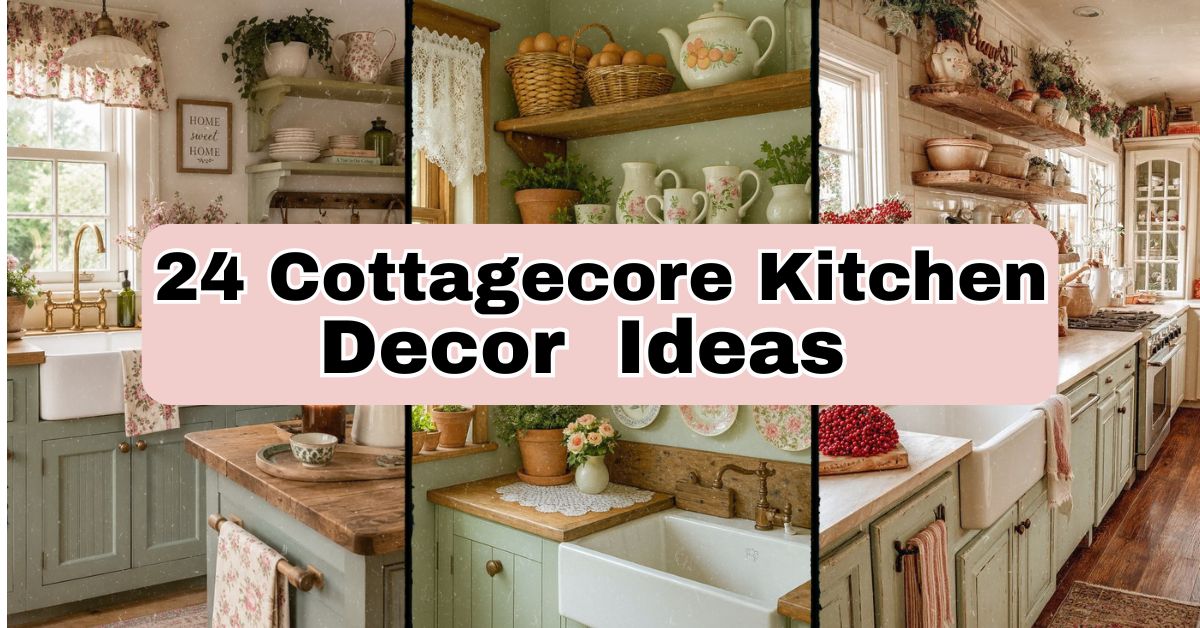
24 Cottagecore Kitchen Decor Ideas That’ll Make Your Space Feel Like a Storybook
Having spent years researching farmhouse markets, antique stores, and interior design discussion boards on the internet to understand what truly makes a cottagecore kitchen versus what only looks nice in one Instagram picture is what led me to all the following ideas.
And what are the best cottagecore kitchen decorating ideas? Among the top choices are open shelving with vintage dishware, gingham decor items, sage green cabinetry, dried herb garlands, farmhouse sinks, and wooden furniture that doesn’t match.
Stay tuned as I’m going to reveal you 24 ideas for your cottagecore kitchen, complete with color palettes, material suggestions, and pitfalls to avoid.
What Exactly Is a Cottagecore Kitchen, Anyway?
But before I proceed to the list, here is a brief discussion on what “cottagecore” means for the kitchen. This aesthetic takes inspiration from classic English cottages in the countryside, Grandma’s farmhouse kitchen, and a simpler lifestyle. Think rustic wood, thrifted dinnerware, jars full of flowers, and everything but the latest trend in the market. It is charming and slightly flawed, which is why we love it!
1. Open Shelving With Vintage Dishware

The open shelving is what transforms basic dinnerware into a decoration element and that is precisely what cottagecore design is all about. Replace your cabinet doors (or some of them) with wooden shelves where you arrange the collection of teacups of different patterns, colorful plates, and bowls with the edges that are intentionally chipped. Choose wood colors such as pine or oak and stay clear of anything shiny and contemporary-looking. The best way to organize things would be to group similar items by colors instead of grouping everything into coordinated sets. Such arrangements go perfect with farmhouse-style or classic kitchens but there’s absolutely nothing wrong with adding one or two open shelves in any other kitchen type.
2. Gingham and Floral Textiles

Gingham check tablecloths and flowery curtains are essentially the standard look for cottagecore kitchen decor. Go for muted shades such as dusty pink, pale yellow, or mint green instead of bright primary tones. Incorporate gingham in tablecloths and kitchen cloths, adding a touch of florals through curtain panels or cushion covers to achieve a complementary effect. Natural fabrics such as cotton or linen are preferable over man-made materials. The combination works perfectly in traditional or rustic style kitchens and provides a simple and cost-effective way to begin if remodeling is out of the question at this stage. Once the fabric selections have been sorted, one can move forward to choose a sink.
3. A Farmhouse Apron Sink

A deep, white farmhouse sink is basically the heart of any cottagecore kitchen. It’s practical for washing big pots and it just looks right sitting under a window. Fireclay or cast iron sinks hold up best over time compared to stainless versions. Pair it with a brass or oil-rubbed bronze gooseneck faucet for that vintage touch. Keep the surrounding counter simple, wood butcher block works great here, so the sink stays the star. This idea fits farmhouse and traditional layouts naturally, though it can work in transitional kitchens too. With your sink sorted, let’s dress it up with some classic enamelware.
4. Vintage Enamelware Display

Enamelware pitchers, bowls, and canisters in white with colored rims (think red, blue, or black trim) add instant vintage charm. Display them on open shelves or windowsills rather than tucking them away in cabinets. Look for chips and wear; a little imperfection actually adds character here. Mix a few pieces with your dishware collection for visual variety. This works in cottage, farmhouse, and even rustic industrial kitchens. Now, let’s bring in something with a scent, not just a look.
5. Dried Herb and Flower Bundles

Hanging bundles of dried lavender, eucalyptus, or wheat from a ceiling rack or exposed beam gives your kitchen texture and a faint natural fragrance. Tie bundles with twine or a small ribbon in a muted color. Place them near a window or above the stove where they’ll catch light. This is a low-cost idea that works in almost any kitchen style, though it shines brightest in farmhouse and rustic spaces. Speaking of natural textures, let’s talk furniture next.
6. Antique Wooden Furniture

A weathered wooden table or a reclaimed hutch brings warmth that new furniture just can’t replicate. Look for pieces with visible grain, slight scratches, or an aged patina. Distressed white or natural wood finishes both work well. Avoid furniture that’s too matched or polished, cottagecore thrives on a collected-over-time feel. This idea is a natural fit for farmhouse, rustic, and traditional kitchens. Pair your table with chairs that don’t quite match, which brings us to the next idea.
7. Mismatched Vintage Chairs

Instead of a matching chair set, mix wooden chairs with different shapes and finishes around your kitchen table. This creates a collected, homey feel rather than a showroom look. Stick to a general color family (like different shades of natural wood or muted painted finishes) so the mismatch feels intentional, not random. Add cushions in coordinating gingham or floral fabric to tie the seats together. This works especially well in farmhouse, cottage, and eclectic kitchens.
8. Butter Yellow Cabinets

Soft, warm yellow cabinets bring sunshine into the kitchen without feeling overwhelming. Pair butter yellow with white countertops and brass hardware for a cheerful but balanced palette. This color works particularly well in kitchens with lots of natural light. Traditional and farmhouse kitchens take to this shade easily, though it can even brighten a small modern kitchen. Let’s cool things down a bit with a greener option.
9. Sage Green Color Palette

Sage green is basically the unofficial color of cottagecore. Use it on cabinetry, an accent wall, or even just on open shelving trim. It pairs beautifully with cream, white, and warm wood tones. This muted green feels calming and earthy, which fits the whole slow-living vibe cottagecore is going for. It suits farmhouse, traditional, and even Scandinavian-inspired kitchens. Now let’s add some pattern to the walls themselves.
10. Botanical Wallpaper

A small floral or botanical print wallpaper on one wall (or inside open shelving as a backing) adds depth without overwhelming the space. Choose muted, vintage-inspired prints rather than bold, modern florals. This idea works great in farmhouse and traditional kitchens, and it’s a smart choice for renters since peel-and-stick versions exist now. Let’s move from walls to storage baskets next.
11. Wicker and Rattan Baskets

Baskets aren’t just storage, they’re texture. Use wicker baskets to hold bread, fruit, or even dish towels. Rattan pendant lights above an island add the same natural material in a different form. These pieces work in almost any kitchen style but feel especially right in coastal cottage and farmhouse spaces. Next, let’s talk metal accents.
12. Copper Pots and Pans Display

Hanging copper cookware from a rack above your stove or island isn’t just practical, it’s gorgeous. The warm metal tone complements sage green, butter yellow, and cream color schemes perfectly. Polish occasionally for shine, or let it develop a natural patina for extra vintage character. This idea suits farmhouse, traditional, and rustic kitchens well. Let’s switch gears to jars and canisters now.
13. Mason Jar Storage

Mason jars filled with flour, sugar, pasta, or dried beans look charming lined up on a shelf or countertop. Label them with simple kraft paper tags tied with twine for extra cottagecore flair. This is one of the most budget-friendly ideas on this list since mason jars are cheap and easy to find. Works well in farmhouse, rustic, and even minimalist kitchens.
14. Vintage-Style Area Rugs

A worn-looking Persian or braided rug under the kitchen table adds warmth and softens the whole room. Look for muted reds, blues, or florals rather than bright, saturated colors. Rugs also help define a cozy eating nook within a larger kitchen. This works in farmhouse, traditional, and eclectic kitchens alike.
15. Lace or Café Curtains

Sheer lace curtains or short ruffled café curtains on kitchen windows let light filter through while adding a soft, romantic touch. Stick to white or cream lace for that timeless look. These are perfect for farmhouse and cottage kitchens, especially over a sink window.
16. Herb Garden Windowsill

A row of small terracotta pots with basil, mint, and thyme on your windowsill adds greenery, fragrance, and function all at once. Terracotta pots keep the earthy, natural feel going. This idea suits any kitchen style, honestly, but it completes the cottagecore look especially well when placed near your farmhouse sink.
17. Cast Iron Cookware on Display

Cast iron skillets hung on a wall rack or stacked on open shelving bring rustic charm and double as functional cookware. The dark, matte finish contrasts nicely against light-colored cabinetry. This fits farmhouse, rustic, and industrial-cottage blends particularly well.
18. Vintage Bread Box

A metal or wooden bread box on the counter isn’t just nostalgic, it keeps bread fresher too. Look for pastel colors or simple wood tones. This small accessory works in farmhouse and retro-inspired kitchens.
19. Flour Sack Towels

Swap out modern dish towels for flour sack towels with simple stripes or embroidered details. They’re more absorbent than most modern towels anyway. Drape one over the oven handle or hang it near the sink. Fits farmhouse, cottage, and rustic kitchens.
20. Ceramic Rooster or Hen Decor

A ceramic rooster figurine or hen-shaped egg holder might sound kitschy, but in the right kitchen, it adds a playful, farmhouse touch. Keep it to one or two pieces so it doesn’t feel cluttered. Best suited for farmhouse and country-style kitchens.
21. Wildflower Centerpieces

A simple mason jar or vintage pitcher filled with wildflowers on the table instantly brightens the room. Rotate flowers with the seasons, daisies and lavender in summer, dried branches in winter. Works in every kitchen style, honestly.
22. Vintage Cookbook Display

Old, worn cookbooks stacked or displayed on open shelving add color, texture, and a sense of history. Look for hardcovers with faded, illustrated spines. This works especially well in farmhouse and traditional kitchens.
23. Stoneware Crocks

Large stoneware crocks can hold utensils, wooden spoons, or even flowers. Their neutral, earthy tone pairs with nearly every color palette on this list. Great for farmhouse, rustic, and traditional kitchens.
24. Beadboard Backsplash or Cabinetry

Beadboard paneling, painted white or a soft pastel, adds vertical texture and a cottage feel to backsplashes or lower cabinets. It’s more affordable than tile and easy to install as a DIY project. This works beautifully in farmhouse, coastal, and traditional kitchens.
Color Palette Quick Reference Table
| Color Name | Hex Code | Best Paired With | Mood Created |
|---|---|---|---|
| Sage Green | #B2AC88 | Cream, brass, wood | Calm, earthy |
| Butter Yellow | #F3E5AB | White, brass | Cheerful, warm |
| Dusty Rose | #DCAE96 | Sage, cream | Soft, romantic |
| Cream White | #F5F0E6 | Any wood tone | Airy, timeless |
| Terracotta | #C87F5E | Green, cream | Rustic, grounded |
Material and Element Comparison Table
| Element | Best Material | Approx. Cost Range | Maintenance Level |
|---|---|---|---|
| Farmhouse Sink | Fireclay | $$$ | Low |
| Open Shelving | Reclaimed Pine | $ | Medium (dust often) |
| Cookware Display | Copper/Cast Iron | $$ | Medium |
| Curtains | Cotton/Lace | $ | Low |
| Backsplash | Beadboard/Wood | $$ | Low |
Tips for Success
- Start small. Pick three or four ideas from this list rather than trying to do everything at once.
- Shop secondhand first. Flea markets, estate sales, and thrift stores are goldmines for authentic vintage pieces.
- Stick to a muted color family. Cottagecore leans soft and warm, not bright or neon.
- Mix textures on purpose. Wood, ceramic, woven baskets, and metal should all show up somewhere in your kitchen.
- Add greenery. Fresh or dried plants tie the whole look together instantly.
Common Mistakes and How to Avoid Them
Overbuying matching sets: Cottagecore is about collected-over-time charm, not a showroom set. Buy pieces one at a time instead.
Going too bright: Bold colors break the cozy, muted feel. Stick to soft, dusty tones.
Ignoring function: A kitchen still needs to work. Don’t sacrifice counter space or storage just for looks.
Overcrowding shelves: Open shelving looks best with breathing room. Leave gaps between grouped items instead of packing every inch.
Skipping lighting: Harsh, bright white bulbs ruin the warm cottagecore mood. Swap in warm-toned bulbs (2700K or lower).
Similar Variations You Can Try
- Coastal Cottagecore: Swap sage green for soft blue and add rope or seashell accents.
- Dark Academia Cottage Kitchen: Use deeper wood tones, forest green, and vintage brass for a moodier twist.
- Modern Cottagecore: Keep the muted colors and natural materials but simplify the clutter for a cleaner, more minimal version.
- Grandmillennial Kitchen: Add more pattern, like chintz and toile, alongside your cottagecore basics for a slightly fancier feel.
Wrapping It Up
Building a cottagecore kitchen really comes down to patience and picking pieces that feel warm, worn, and a little imperfect. Start with one or two ideas from this list, maybe some open shelving or a batch of dried flowers, and let the rest come together over time. That’s honestly how the best cottagecore kitchens happen anyway, slowly, piece by piece, just like the style intended.