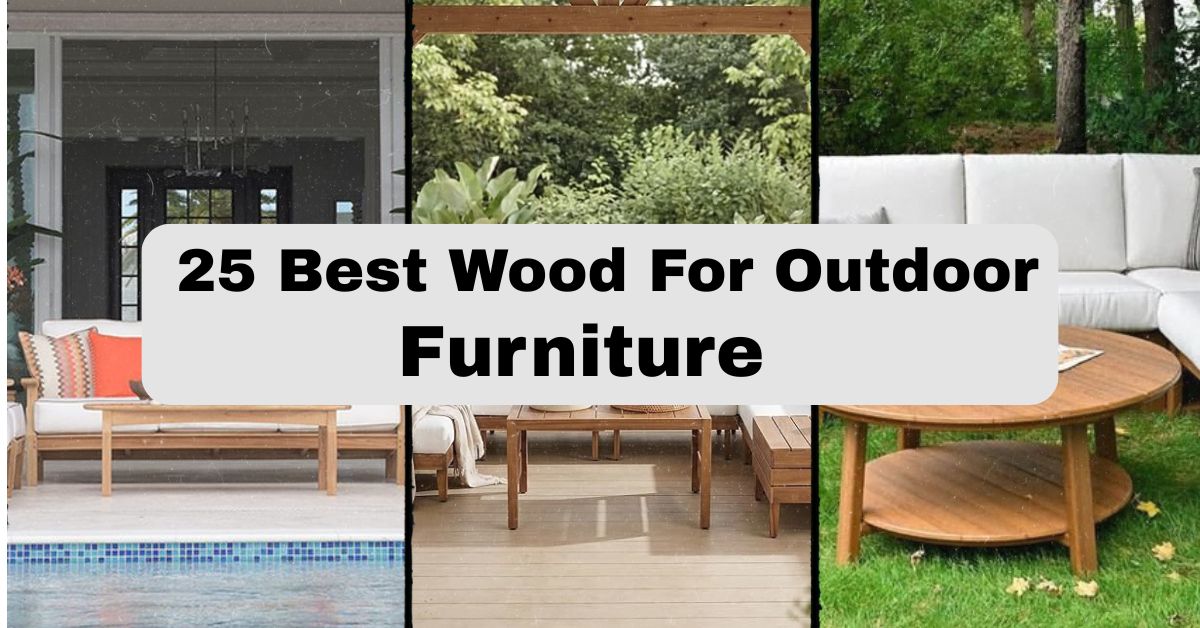
25 Best Wood For Outdoor Furniture
Over the years, I have been testing outdoor furniture sets, studying different grades of wood, and consulting furniture manufacturers in order to understand what works and what doesn’t when it comes to weather-resistance. It was all my experience that gave me the ability to explain to you the best wood for outdoor furniture without any guesswork or rephrasing the old advice.
So, what is the best wood for outdoor furniture? Teak, cedar, teak, ipe, white oak, and eucalyptus are considered the best options due to their rot-resistant, insect-resistant, and moisture-resistant properties. But which one is the best depends only on your budget, climate, and annual maintenance efforts.
However, I am going to go deeper into 25 wood types and provide you with a comparison table.
Why Wood Choice Matters for Outdoor Furniture
The point is that not all kinds of wood react similarly when exposed outdoors for months. There are some types of wood that soak in the moisture and decay after a year or so, and others are resilient enough to withstand the weather elements such as rain, sunshine, and insects for years to come. It happens that cheap pine chairs deteriorate after one summer season, whereas the teak table from the ’90s is still holding strong today. Choosing the proper wood is not only a matter of aesthetics but also saving your money in the long run. Here comes the breakdown of all the varieties.
Quick Comparison Table: 25 Woods At a Glance
| Wood Type | Durability (Years) | Maintenance Level | Cost | Best For |
|---|---|---|---|---|
| Teak | 25-50+ | Low | High | All furniture types |
| Ipe | 25-40 | Low | High | Decking, benches |
| White Oak | 20-30 | Medium | Medium-High | Tables, chairs |
| Cedar | 15-20 | Low | Medium | Chairs, planters |
| Redwood | 15-25 | Low | Medium-High | Decks, loungers |
| Eucalyptus | 10-20 | Medium | Low-Medium | Dining sets |
| Cypress | 15-25 | Medium | Medium | Benches, tables |
| Acacia | 10-15 | Medium | Low-Medium | Chairs, tables |
| Shorea | 20-30 | Low | Medium | Sofas, loungers |
| Mahogany | 15-25 | Medium | High | Formal furniture |
| Douglas Fir | 10-15 | High | Low | Frames, structures |
| Black Locust | 20-30 | Low | Low | Fencing, benches |
| Garapa | 20-25 | Low | Medium | Decking, tables |
| Cumaru | 20-25 | Low | Medium | Decking, benches |
| Bamboo | 5-10 | High | Low | Lightweight chairs |
| Pine (Treated) | 5-15 | High | Low | Budget furniture |
| Larch | 10-15 | Medium | Low-Medium | Rustic furniture |
| Merbau | 15-25 | Low | Medium | Tables, decking |
| Jarrah | 20-30 | Low | Medium-High | Outdoor sets |
| Iroko | 20-25 | Low | Medium | Benches, tables |
| Padauk | 15-20 | Medium | Medium | Accent furniture |
| Sapele | 15-20 | Medium | Medium | Chairs, tables |
| Chengal | 25-40 | Low | High | Premium furniture |
| Tigerwood | 20-25 | Low | Medium | Decking, benches |
| Composite Wood | 20-30 | Very Low | Medium | Low-maintenance sets |
Premium Hardwoods for Outdoor Furniture
These are the heavyweights. Premium hardwoods carry natural oils and tight grain patterns that fight off moisture, fungus, and bugs without any chemical treatment. They cost more upfront, but I always tell people to think of them as a one-time investment rather than a recurring expense. If your budget allows it, this category will outlast almost every other option on this list, sometimes by decades.
1. Teak – The gold standard. Teak’s natural oils repel water and pests, so it barely needs sealing. It ages into a soft silver-gray patina that looks intentional, not worn out. Great for modern and traditional patios alike.

2. Ipe – Also called Brazilian walnut, ipe is dense, heavy, and nearly fireproof. It’s a favorite for decking but works beautifully for benches too.

3. White Oak – Unlike red oak, white oak has closed pores that block water absorption. It pairs well with farmhouse and traditional outdoor styles.

4. Shorea – A budget-friendlier cousin to teak, often used in commercial-grade patio furniture. It holds up well in humid coastal areas.

5. Mahogany – Rich color and fine grain make mahogany a favorite for upscale outdoor dining sets, though it needs occasional oiling to stay vibrant.

6. Chengal – Native to Southeast Asia, this dense hardwood resists termites and rot better than almost anything else on this list. It’s pricey but built to last generations.

7. Jarrah – An Australian hardwood with a deep red tone. It’s dense, tough, and holds paint or stain exceptionally well.

8. Iroko – Sometimes called “African teak,” iroko offers similar durability at a friendlier price point.

Moving from the premium tier, let’s look at softwoods that still hold their own outdoors without draining your savings.
Budget-Friendly Softwoods
Softwoods won’t last as long as teak or ipe, but they’re lighter, easier to cut, and much gentler on your wallet. I recommend these for renters, seasonal furniture, or anyone redecorating a patio every few years anyway.
9. Cedar – Naturally resistant to rot and insects thanks to its oils. It’s lightweight, smells great, and takes stain beautifully.

10. Redwood – Similar to cedar but with a richer color. It handles moisture well but can fade if left unsealed too long.

11. Cypress – Contains a natural preservative oil called cypressene, giving it solid rot resistance for a softwood.

12. Douglas Fir – Strong for its weight, but it needs regular sealing since it lacks natural oils.

13. Pine (Pressure-Treated) – The cheapest option here. Treatment chemicals help it resist rot, but it still needs yearly maintenance.

14. Larch – A European favorite for rustic garden furniture, larch handles cold climates surprisingly well.

Softwoods make sense for tight budgets, but if you want that middle ground of affordability and durability, exotic hardwoods deserve a look.
Exotic and Tropical Hardwoods
These woods come from warmer regions and bring unique grain patterns along with serious weather resistance. They’re less common at big box stores but worth seeking out from specialty suppliers.
15. Acacia – Popular for its swirling grain and honey tones. It’s moderately durable but benefits from an annual oil treatment.

16. Eucalyptus – Fast-growing and sustainable, eucalyptus offers decent durability at a lower price than teak.

17. Garapa – A golden-toned Brazilian hardwood, often chosen as an ipe alternative for decking and furniture.

18. Cumaru – Extremely dense and durable, cumaru resists scratches and dents better than most tropical woods.

19. Merbau – Common in Australian and Southeast Asian furniture, merbau has a warm reddish-brown color and strong rot resistance.

20. Padauk – Known for its vibrant orange-red hue, padauk works well as an accent wood for outdoor decor pieces.

21. Sapele – A mahogany relative with a beautiful ribbon grain, often used in higher-end outdoor furniture lines.

22. Tigerwood – Named for its striking striped grain, tigerwood holds up well against moisture and insects.

23. Black Locust – Native to North America, this hardwood rivals ipe in durability but costs far less.

Exotic hardwoods bridge the gap between luxury and affordability. But if maintenance-free living is your goal, there’s one more category worth mentioning.
Sustainable and Alternative Wood Options
24. Bamboo – Technically a grass, bamboo grows incredibly fast and works great for lightweight outdoor accents, though it needs more upkeep in wet climates.

25. Composite Wood (Wood-Plastic Blend) – Not a “real” wood, but many homeowners consider it alongside natural options since it mimics wood grain while resisting rot completely. It’s ideal for anyone who wants zero maintenance.

Tips for Success
Choosing the best wood for outdoor furniture gets easier once you follow a few ground rules:
- Match the wood to your climate. Humid regions need woods like teak, ipe, or shorea. Dry climates can handle softer woods like pine or fir.
- Seal or oil your furniture at least once a year, even with naturally durable woods.
- Store cushions and covers indoors during off-seasons to reduce moisture buildup on the wood beneath.
- Check for FSC certification if sustainability matters to you.
- Elevate furniture slightly off the ground or deck to improve airflow underneath.
Common Mistakes and How to Avoid Them
I’ve seen these mistakes cost people hundreds of dollars in early replacements:
Buying untreated softwood for wet climates
: Untreated pine or fir will rot within a couple seasons in rainy areas. Always treat or seal it first.
Skipping annual maintenance
: Even teak benefits from occasional cleaning, though it needs less oiling than other hardwoods.
Ignoring grain direction
: Furniture built against the grain warps faster. Check craftsmanship before buying.
Choosing looks over durability
: A gorgeous wood that isn’t suited to your climate will disappoint you within a year or two.
Leaving furniture uncovered in winter
: Snow and ice speed up wood breakdown, even in durable species like cedar or redwood.
Similar Variations You Can Try
If you love the look of wood but want something different, consider these variations:
- Reclaimed wood furniture – Old barn wood or salvaged teak gives a rustic, eco-friendly touch.
- Wood and metal hybrids – Combining teak or acacia tops with metal legs adds durability and a modern edge.
- Painted softwood furniture – A budget-friendly way to add color while protecting cheaper woods like pine.
- Live-edge wood tables – Popular in cypress or walnut, these keep the natural bark-edge shape for a organic feel.
Wrapping It Up
Picking the best wood for outdoor furniture really comes down to matching durability, style, and budget to your specific backyard needs. Whether you go with high-end teak, budget-friendly pine, or something in between like acacia or eucalyptus, understanding how each wood behaves outdoors will save you money and frustration for years to come.
I hope this guide gave you a clearer picture than what’s floating around out there. Now you’ve got 25 solid options, a full comparison table, and real tips to help you choose the best wood for outdoor furniture with confidence.