25 Crochet Flowers And Plants Ideas
Having tried countless crochet patterns, compared different yarn sizes, and seen first-hand which flower projects can withstand months on a shelf vs. falling apart within days, that practical knowledge directly informs everything included here – from information often left out of beginner tutorials such as the sturdiness of your yarn choice to reinforced wire frames and maintenance tips for displays.
With those points covered, what should you look into among the best crochet flowers and plants ideas? In total, the list of favorites comprises 25 different options that range from roses, sunflowers, succulents, and cacti all the way through ferns, orchids, and trailing ivy. Each project uses easy-to-master stitches including single and double crochet only.
But that isn’t all since there is much more in store ahead – namely the supplies needed, common beginner pitfalls, and customization tips.
Why Crochet Flowers And Plants Are Taking Over Home Decor
The beauty of crocheted flowers and plants lies in the fact that they never fade, never wilt, and never require watering no matter how many times guests come over. In addition, there is nothing better than the ability to bring color to one’s home without having to deal with its maintenance. They are very durable since a properly kept crocheted creation can be enjoyed for many years, unlike natural flowers which will only survive for a few days. Also, they are very versatile and can be used in any interior design.
1. Classic Rose Crochet Flower
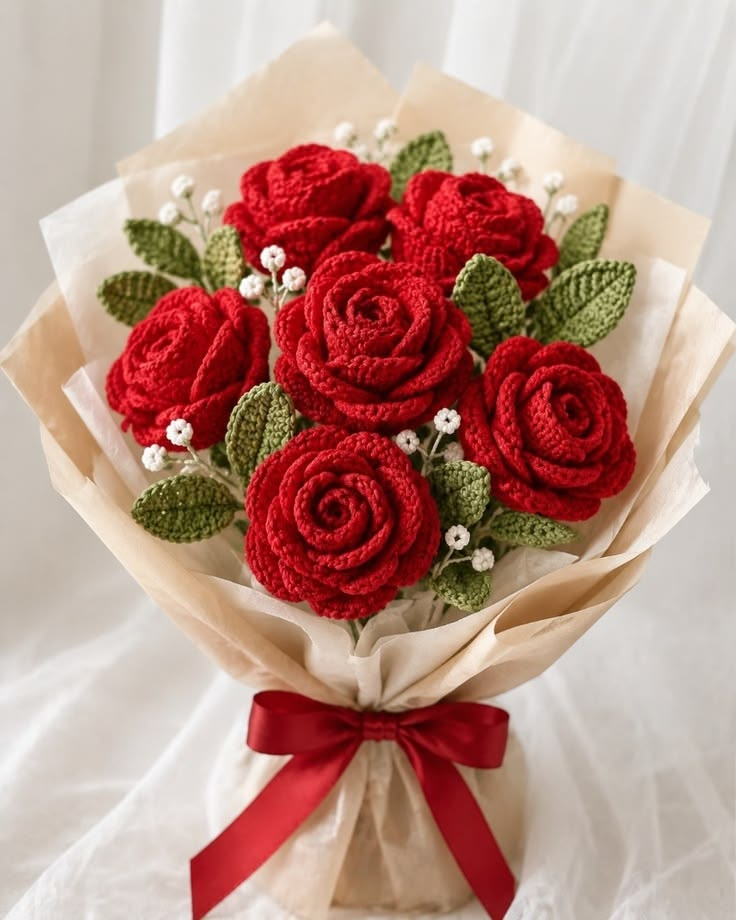
Rose flowers are the staple that most people learn when first starting to crochet and truly they remain to be one of the most beautiful items you can make. Crochet long strips that are rolled up to create spirals and petals. Choose yarn in colors of deep red or pink to create your romantic flower. Include a green felt leaf to make it even more realistic.
Attach these flowers to hairclips, brooches or packages as accessories or decorations. To use them in interior design, place three or four flowers inside a little glass vase by the window. This will make a perfect accent to a cottagecore or traditional interior. Let’s see what other flowers we can crochet next.
2. Sunflower Wall Hanging

The sunflower can be used to make a statement. Make the flower head from yellow yarn and brown centers using the puff stitch and place it on a wooden dowel or embroidery hoop. It can be placed anywhere, such as above a headboard or kitchen table.
Materials will be important when making this project because the wall art needs to be strong to withstand the frequent cleaning and the buildup of dust particles. The acrylic yarn is the ideal material for wall art. This type of art is good for farmhouse and rustic style rooms but also works well with industrial style homes.
3. Succulent Garden In A Pot
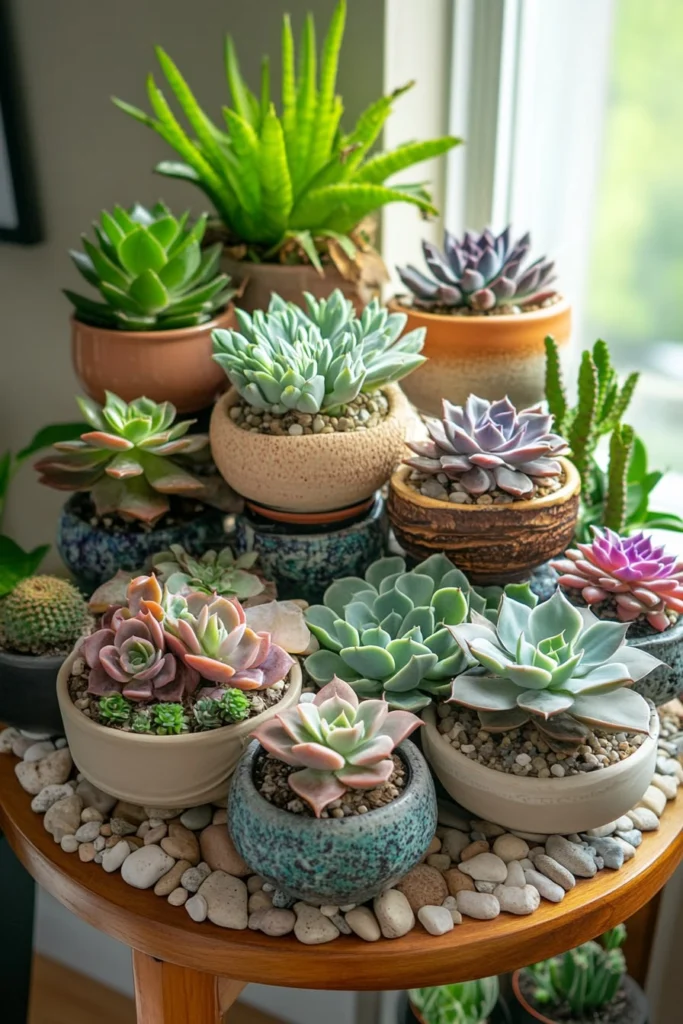
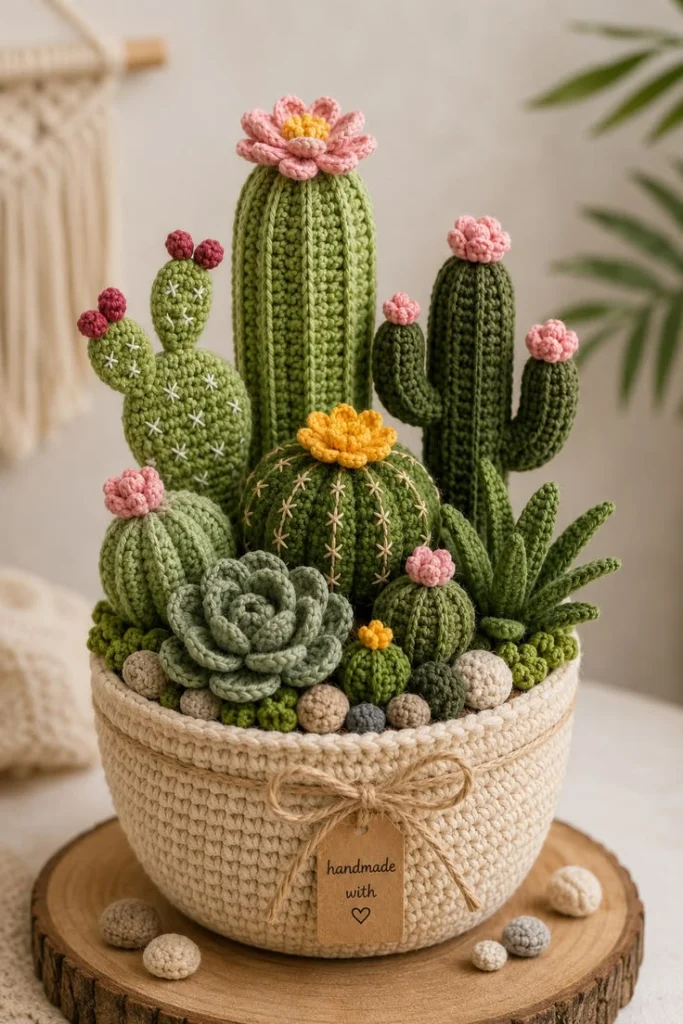
These plants are forgiving for beginners as their shapes don’t have to be perfect. You can crochet little rounded or pointed succulents in green colors and sew them on a felt base which will be put in a tiny terracotta pot with moss or sand.
You should put several kinds of succulents in order to create an interesting shape. Such a project will work perfectly in Scandinavian and minimalistic interiors where any extra things can only make mess. After succulents come trailing plants.
4. Cactus Pincushion

Turn a crochet cactus into something functional by stuffing it with fiberfill and using it as a pincushion. Add tiny white stitches for spines and plant it in a small painted pot filled with polymer clay “sand.”
This is a fun gift idea for sewers and crafters. Bright orange or turquoise pots against green cacti give a southwestern desert vibe, perfect for boho or eclectic decor. Speaking of desert plants, let’s talk about a taller cactus option next.
5. Daisy Chain Garland

Daisies crochet up quickly using basic stitches, making them ideal for garlands. String multiple small white-and-yellow daisies onto a length of cotton cord and drape them across a mantel or mirror frame.
Keep the stitches loose so the garland drapes naturally instead of standing stiff. This design fits cottage and bohemian interiors particularly well. If garlands appeal to you, the lavender bundle below offers a similar draping effect with a different texture.
6. Lavender Sachet Bundle

Lavender stems crochet up in narrow purple clusters along a green stem. Bundle five or six stems together with twine and tuck dried lavender buds inside a small fabric pouch attached to the base for real fragrance.
This piece works wonderfully in bathrooms or linen closets. The purple and green combo suits French country and traditional decor styles. Next, we move from soft herbs to a flower with bold, structured petals.
7. Tulip Bouquet

Tulips have a simple cup shape, which makes them beginner-friendly. Crochet the petals as one solid piece folded around a stem, then attach a plastic or wire stem wrapped in green yarn for stability.
Mix colors like pink, red, and yellow in one vase for a cheerful spring look. This bouquet suits modern farmhouse kitchens and entryway tables. From upright flowers, let’s shift toward something that spills over the edges of a shelf.
8. Fern Leaf Trailing Vine

Ferns bring texture without needing bright colors. Crochet long chains with small leaf clusters branching off, using a deep green yarn. Drape the finished vine over a bookshelf or hang it from a macramé plant hanger.
Wire the stem lightly so it holds a natural curve. This works in almost every home style, but it especially shines in jungle-themed or boho rooms. Ferns pair nicely with the orchid design coming up next.
9. Poppy Flower Brooch
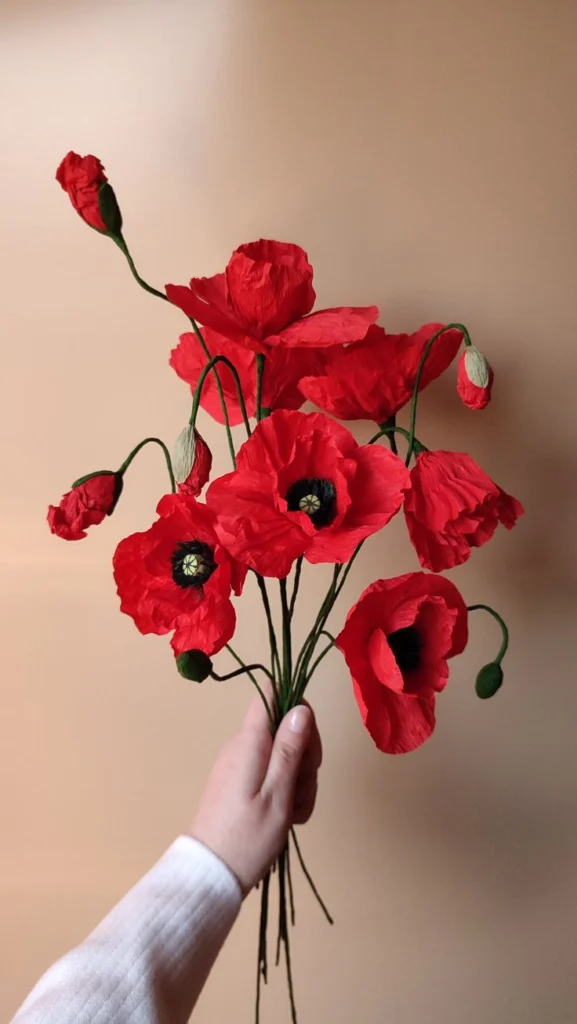
Poppies have a dramatic look thanks to their dark centers and bright red petals. Crochet the petals flat, layer two rounds, then stitch a black button or French knot center. Attach a pin backing for a wearable accent.
These also work as napkin rings or curtain tiebacks. Red poppies against neutral decor create a striking pop of color in modern or minimalist spaces. Let’s move from single blooms to a fuller, cluster-style flower.
10. Hydrangea Cluster

Hydrangeas are made of dozens of tiny five-petal flowers grouped into one round cluster. This project takes patience, but the payoff is a lush, full bloom perfect for centerpieces.
Pastel blue, pink, or purple yarn gives the most realistic look. Display hydrangeas in a ceramic vase on a dining table for traditional or shabby chic interiors. Orchids, up next, offer an elegant contrast to this fuller shape.
11. Orchid Stem Arrangement

Orchids crochet up with elongated, pointed petals in white or soft purple. Use a thin wire stem so the flower head can be bent and posed naturally, mimicking real orchid stems.
Place a single stem in a tall, narrow vase for a minimalist, elegant statement. This design fits modern and Japandi-style homes especially well. Now let’s look at a plant that climbs rather than blooms.
12. Ivy Vine For Shelves
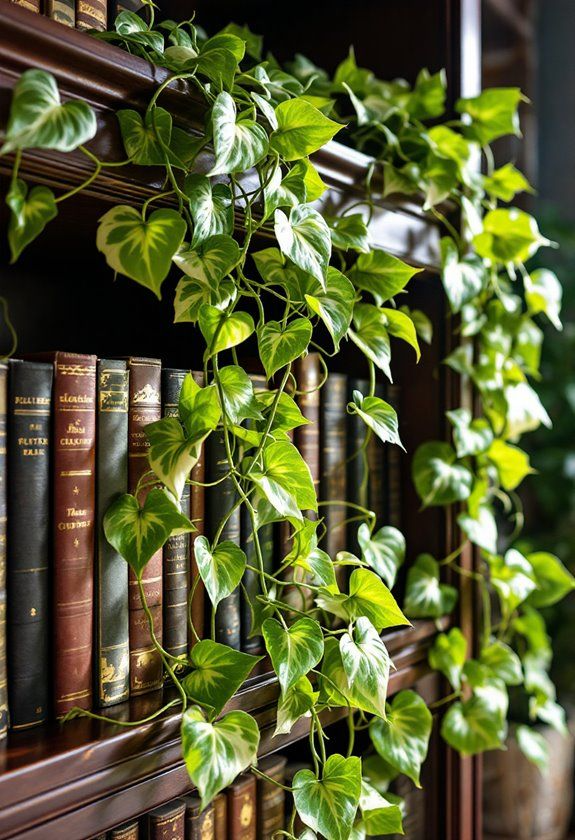
Ivy is one of the easiest trailing plants to crochet. Chain a long vine, then add small pointed leaves every few stitches. Drape it across shelving units or let it spill from a hanging pot.
This project uses minimal yarn, making it great for scrap projects. Ivy suits nearly every decor style since green trailing plants are a universal design element. Next, we’ll puff things up with a rounder, fuller flower.
13. Peony Puff Flower
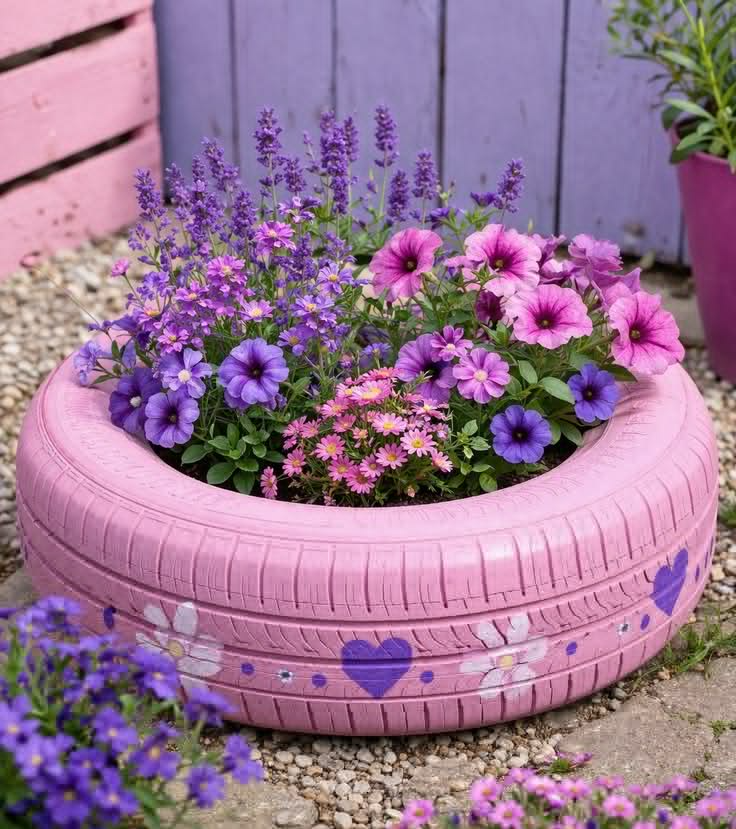
Peonies use a puff stitch technique to create rounded, layered petals that look incredibly full. Soft pink or cream yarn gives the most authentic look, and a felt leaf backing finishes the piece nicely.
These flowers work beautifully in bridal decor or as statement pieces in a glass cloche. Traditional and romantic interiors benefit most from this design. Let’s shrink the scale again with a tiny terrarium project.
14. Mini Cactus Terrarium

Combine several small crochet cacti of different shapes inside a clear glass bowl filled with craft sand and small stones. This terrarium mimics a real desert garden without any watering required.
Keep the cacti under three inches tall for the best proportion inside a small terrarium. This idea works great in office spaces or as a desk accessory in modern or industrial interiors. From desert vibes, let’s return to something delicate and woodland.
15. Lily Of The Valley Bunch

These tiny bell-shaped flowers crochet up in clusters along a single green stem. White yarn works best, and the small scale makes this a quick project even for beginners.
Bundle several stems together for a dainty bouquet in a bud vase. This suits vintage and romantic cottage interiors particularly well. Sweet peas, coming up next, offer a similar delicate charm with climbing vines.
16. Sweet Pea Vine
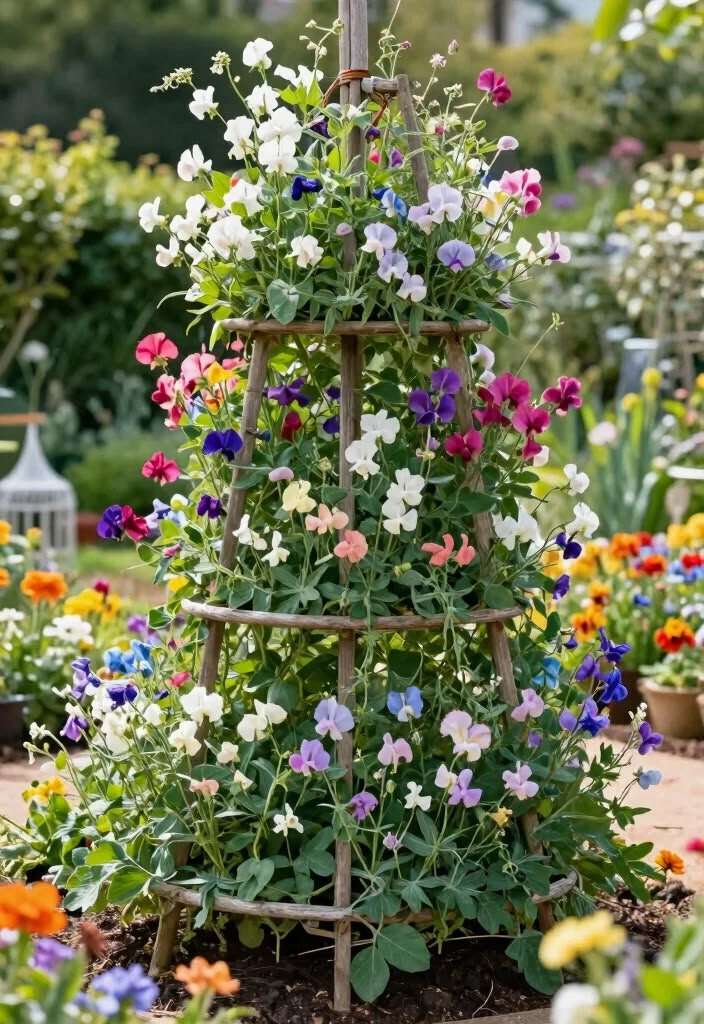
Sweet peas combine small ruffled flowers with curling tendrils. Crochet the blooms separately, then attach them along a chained vine with small curled loops representing tendrils.
Pastel colors like lavender, pink, and white work best for authenticity. Drape this vine along a window frame for cottage or farmhouse styling. Let’s move now toward larger potted plants that make a bigger visual impact.
17. Potted Fiddle Leaf Fig

This trendy houseplant translates surprisingly well into yarn. Crochet large, textured leaves in deep green and attach them to brown yarn-wrapped branches inserted into a floor pot.
This piece works as a floor plant substitute in low-light corners where real plants struggle. Modern and mid-century homes benefit most from this bold statement piece. Bonsai trees, next on our list, offer a similar sculptural quality on a smaller scale.
18. Crochet Bonsai Tree

Bonsai trees combine a wrapped wire trunk with small clustered leaves crocheted in rounds. This project takes more assembly than stitching skill, but the finished look is stunning on a desk or bookshelf.
Use brown yarn or fabric wrap for the trunk and deep green for foliage clusters. This suits Japandi, zen, and minimalist interiors extremely well. Let’s brighten things up again with a cheerful spring flower.
19. Daffodil Spring Bunch

Daffodils feature a trumpet-shaped center surrounded by six petals. Crochet the trumpet separately and stitch it into the center of the petal round for dimension.
Yellow and white combinations bring instant spring energy to any room. Place these in a rustic pitcher for farmhouse or country-style decor. Aloe vera, up next, brings a completely different plant texture into the mix.
20. Aloe Vera Plant

Aloe vera’s thick, pointed leaves crochet up using increasing stitches to create that signature fleshy shape. Stuff each leaf lightly with fiberfill for structure, then arrange them in a rosette pattern inside a small pot.
This plant looks great on bathroom counters or kitchen windowsills. It suits Scandinavian and minimalist spaces where clean green tones stand out. Let’s combine multiple flowers next into one mixed arrangement.
21. Wildflower Mixed Bouquet

This project combines several small flower patterns, daisies, poppies, and tiny bell flowers, into one loose, colorful bouquet. Mixing textures and stitch types adds visual interest without much extra effort.
Tie the stems together with jute twine for a rustic finish. This bouquet suits bohemian and eclectic interiors that favor an “imperfect” collected look. Wreaths, next up, take this mixed-flower concept and shape it into a ring.
22. Crochet Succulent Wreath
Attach multiple small succulent shapes onto a foam or wire wreath base using hot glue or thread. Vary the greens from sage to deep forest for depth and dimension.
Hang this on a front door or above a fireplace. It suits modern farmhouse and rustic interiors particularly well since it swaps traditional florals for a low-maintenance green statement. Let’s talk about a tall, architectural plant next.
23. Snake Plant In Pot

Snake plants have long, straight leaves that crochet easily using simple increasing rows. Insert thin wire down the center of each leaf so it stands upright in a pot.
This plant suits corners that need height without bulk. Modern, industrial, and minimalist spaces all benefit from this structured green accent. Flower crowns, up next, take a more wearable direction.
24. Crochet Flower Crown

Combine several small flowers, daisies, roses, or tulips, onto a stretchy headband or wire crown base. This piece works for photoshoots, costumes, or simply as a fun decorative accessory hung on a wall hook.
Mix pastel colors for a soft, whimsical look. This suits nursery decor and bohemian-style rooms especially well. Our final idea returns to houseplants with one of the most popular varieties around.
25. Monstera Leaf Plant

Monstera’s iconic split leaves crochet up using a specific increase-and-slip-stitch technique to create those signature holes. Attach several leaves to a central stem and place in a floor pot for maximum impact.
This design suits nearly every modern, boho, or tropical-inspired room. It’s one of the more advanced projects on this list, but the visual payoff makes it worth the extra effort.
Quick Reference Table: Skill Level And Materials
| Design | Skill Level | Best Yarn Type | Ideal Room Style |
|---|---|---|---|
| Classic Rose | Beginner | Cotton, worsted | Traditional, Cottage |
| Sunflower Wall Hanging | Intermediate | Acrylic | Farmhouse, Industrial |
| Succulent Garden | Beginner | Cotton | Scandinavian, Minimalist |
| Cactus Pincushion | Beginner | Acrylic | Boho, Eclectic |
| Fern Leaf Vine | Intermediate | Cotton, DK weight | Boho, Jungle-themed |
| Orchid Stem | Advanced | Fine cotton | Modern, Japandi |
| Bonsai Tree | Advanced | Mixed fiber | Zen, Minimalist |
| Monstera Leaf | Advanced | Cotton, worsted | Tropical, Modern |
Tips For Success
- Use stitch markers to track rounds on small flower centers.
- Block your finished flowers with light steam to help petals hold their shape.
- Choose cotton yarn for structure, acrylic for softness and drape.
- Insert floral wire into stems for pieces that need to stand upright.
- Store finished pieces flat or upright in a box to avoid crushing petals.
Common Mistakes And How To Avoid Them
Beginners often use yarn that’s too thin, resulting in floppy petals that won’t hold a shape. Switch to a worsted-weight cotton for more structure. Another common issue is skipping the wire reinforcement in stems, which leaves plants leaning over in their pots. Add a thin floral wire down the center of any leaf or stem that needs to stand upright. Lastly, people frequently rush the felt or fabric backing step, causing petals to fray over time. Take an extra five minutes to secure edges properly, and your flowers will last for years instead of months.
Similar Variations You Can Try
Definition List:
Miniature Versions
: Shrink any pattern down using thread-weight yarn and a smaller hook for tiny accessories like earrings or magnets.
Oversized Statement Pieces
: Scale up patterns using bulky yarn for large wall art or floor decor.
Color-Blocked Designs
: Swap traditional colors for unexpected combinations like navy roses or black-and-white daisies for a modern twist.
Mixed Media Arrangements
: Combine crochet flowers with dried florals or artificial greenery for added texture in one arrangement.
I’ve spent so much time testing these 25 crochet flowers and plants ideas that I genuinely believe there’s something here for every skill level and every room in your house. Whether you start with a simple daisy or work your way up to a full monstera leaf, each project adds a little handmade warmth to your space that store-bought decor just can’t match. Grab your hook, pick a color, and start stitching your way toward a home filled with crochet flowers and plants that’ll never need watering again.