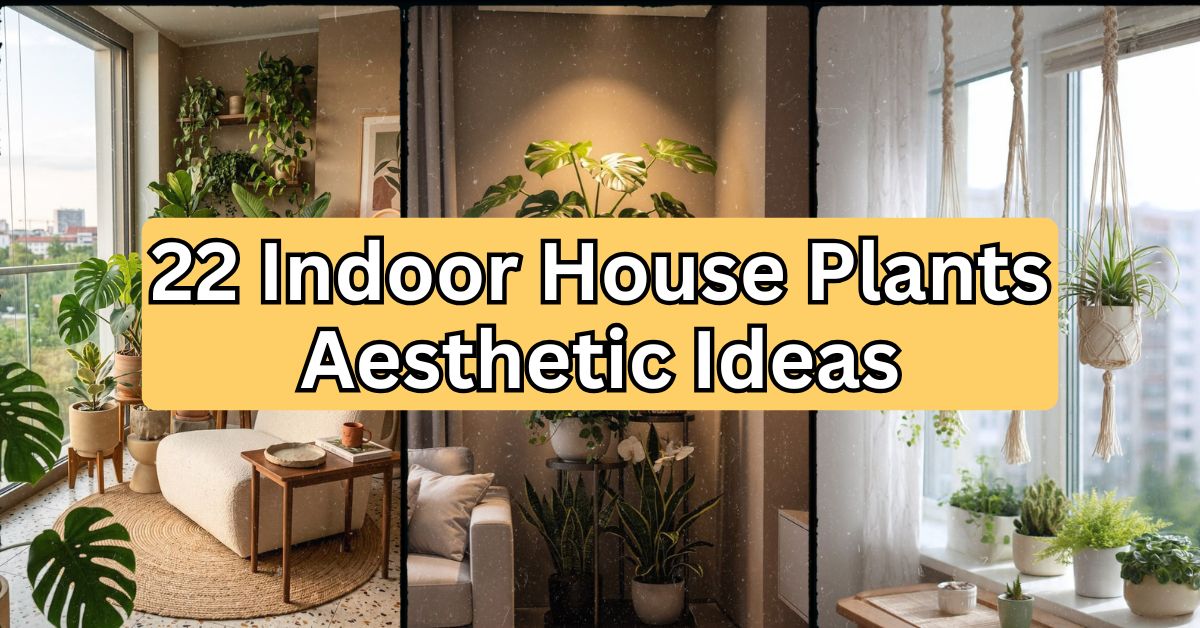
22 Indoor House Plants Aesthetic Ideas That’ll Transform Your Space
I’ve spent years testing plant arrangements in my own home, killing more than a few pothos along the way, and researching what actually works for real living spaces versus what just looks good in a magazine photo. That hands-on experience means I know the difference between an indoor house plants idea that photographs well and one that actually thrives on your windowsill for years.
So what are the best indoor house plants aesthetic ideas? The top approaches include urban jungle corners, hanging macrame displays, tiered plant stands, terrariums, and grouped succulent arrangements. Each style pairs specific plants with pots, lighting, and placement to create a cohesive, low-stress green space in any home.
Stick around, though. Below I’ll break down 22 distinct ideas, share care tables, common mistakes I’ve made myself, and tips that’ll save your plants (and your sanity).
Why Indoor House Plants Matter for Home Aesthetics
Plants do more than fill empty corners. They add texture, soften hard edges, and bring life into rooms that otherwise feel flat. Whether you live in a tiny apartment or a sprawling house, indoor house plants can shift the entire mood of a room. Let’s get into the ideas.
1. The Urban Jungle Corner

Picture one corner packed with plants of different heights and leaf shapes. That’s the urban jungle look, and it works because layering creates depth instead of clutter. Mix a tall fiddle leaf fig with mid-height snake plants and low-hanging pothos to fill vertical space.
Choose terracotta or woven baskets for a grounded, earthy color scheme. Add a small stool or plant stand to vary height further. Practical tip: rotate plants weekly so all sides get even light exposure. This style suits bohemian and eclectic homes best, though it can work in modern spaces with sleeker pots. Next, let’s shrink things down with a single, bold statement piece.
2. The Minimalist Single Statement Plant

Sometimes less really is more. A single large plant, like a monstera or rubber tree, placed in an empty corner draws the eye without overwhelming the room. This idea suits people who want greenery without daily maintenance headaches.
Pick a simple ceramic pot in white, black, or terracotta to match a minimalist color palette. Avoid patterned planters here; the plant itself is the star. Place it near natural light but not direct sun. This works beautifully in Scandinavian and modern homes where clean lines rule. From one bold plant, let’s move upward to hanging displays.
3. Hanging Macrame Plant Displays

Hanging plants free up floor space while adding visual interest at eye level. String pothos, spider plants, or string of pearls in macrame hangers near a window.
Natural jute or cotton cord macrame adds texture against plain walls. Stagger hanger lengths for a layered look. Tip: use S-hooks on ceiling hooks so you can easily swap plants seasonally. This idea fits boho, coastal, and cottage-style homes wonderfully. Now let’s bring greenery right onto your windowsill.
4. Windowsill Herb Garden Display

Herbs like basil, mint, and thyme double as decor and dinner ingredients. Line them up in matching pots along a kitchen windowsill for a fresh, functional look.
Stick to a uniform pot style, maybe galvanized metal or white ceramic, so the row feels intentional rather than random. Label each pot with small wooden markers for a farmhouse touch. Water consistently since herbs dry out fast in direct sun. This idea suits farmhouse and cottage kitchens especially well. Next, let’s climb up to your bookshelves.
5. Trailing Vines on Bookshelves

Draping pothos or philodendron vines across bookshelves softens rigid lines and fills awkward gaps between books. The vines cascade naturally, creating movement without needing extra furniture.
Use small pots that tuck behind books so only the foliage shows. Mix in a few trailing plants with different leaf patterns for variety. Tip: pinch back vines occasionally to keep them full rather than sparse and stringy. This works in traditional libraries and modern shelving units alike. Let’s head to a room people often forget: the bathroom.
6. Bathroom Tropical Oasis

Bathrooms have humidity plants love. Ferns, calathea, and orchids thrive here better than almost anywhere else in the house. Group a few on a windowsill or floating shelf.
Choose pots with drainage holes plus trays to catch excess water. Green and white color schemes feel spa-like and calming. Tip: keep plants away from cold drafts near windows in winter. This idea suits modern and spa-inspired bathroom designs. From steamy bathrooms, let’s move to the kitchen counter.
7. Kitchen Countertop Greenery

A small snake plant or succulent by the sink adds life without stealing counter space. Pick compact varieties that tolerate inconsistent watering, since kitchens get busy.
Stick with pots under 6 inches to keep things practical. Match planter color to your kitchen hardware, brass or matte black work well. This idea fits nearly every kitchen style since it’s subtle and low-commitment. Now, let’s shrink things even further into glass containers.
8. Terrarium Displays

Terrariums pack a miniature landscape into glass, perfect for small apartments. Use succulents or air plants with sand, pebbles, and small figurines for a whimsical touch.
Closed terrariums suit ferns and moss, while open ones work for succulents needing airflow. Place on a coffee table or shelf as a conversation piece. Tip: don’t overwater closed terrariums; they recycle moisture naturally. This suits modern and quirky eclectic homes. Let’s go from tiny displays to tiered ones.
9. Tiered Plant Stand Displays

A tiered stand lets you display multiple plants vertically without crowding floor space. Great for renters short on room.
Mix plant sizes across tiers, with trailing plants on top and structural plants like ZZ plants below. Wooden or metal stands both work depending on your style. Tip: place stands near a window that gets filtered light all day. This suits industrial and mid-century modern homes. Next, let’s talk about texture with woven baskets.
10. Boho Woven Basket Planters

Swap plastic nursery pots for woven baskets to instantly upgrade the look. Baskets add warmth and texture that plastic just can’t match.
Line baskets with plastic liners to protect against water damage. Mix basket sizes and weave patterns for visual interest. Tip: thrift stores often have cheap baskets perfect for this. This idea fits boho, coastal, and cottagecore aesthetics. Now let’s simplify things with a Scandinavian approach.
11. Scandinavian Minimalist Greenery

This style keeps things simple: one or two plants, neutral pots, plenty of negative space. Think snake plants or ZZ plants in matte white ceramic.
Avoid clutter. Let the plant’s natural shape do the talking. Tip: place plants near large windows for that bright, airy Scandinavian feel. This obviously suits Scandi and modern minimalist homes best. From soft minimalism, let’s go industrial.
12. Industrial Concrete Planters

Concrete pots pair well with structural plants like fiddle leaf figs or cacti. The raw, rough texture contrasts nicely against soft green leaves.
Stick to a gray, black, and green palette. Place plants near exposed brick or metal furniture for cohesion. Tip: concrete pots are heavy, so use plant caddies with wheels if you’ll move them often. This suits industrial lofts and modern urban apartments. Let’s head to the bedroom next.
13. Bedroom Air-Purifying Plants

Snake plants, peace lilies, and spider plants improve air quality while you sleep. Place one on a nightstand or dresser for a calming touch.
Keep pots small and simple so they don’t compete with bedroom decor. Soft, muted colors work best here since bedrooms should feel restful. Tip: avoid plants with strong scents near the bed. This suits nearly every bedroom style. Now let’s climb a staircase.
14. Staircase Plant Ladder

A wooden plant ladder tucked beside stairs adds greenery without blocking foot traffic. Stagger small pots on each rung for a cascading effect.
Choose plants that tolerate lower light since staircases often lack windows. Pothos and ZZ plants work well. Tip: secure the ladder against the wall so it doesn’t wobble. This suits farmhouse and transitional homes. Next, let’s make an entrance statement.
15. Entryway Statement Plant

A large plant by the front door creates a welcoming first impression. Bird of paradise or rubber trees make bold entryway statements.
Pick a pot that matches your front door hardware or trim color. Tip: rotate the plant occasionally since entryways often get uneven light. This suits modern, traditional, and coastal entryways alike. Now let’s group some succulents together.
16. Grouped Succulent Displays

Cluster several succulents in one shallow tray or wooden box for a desert-inspired vignette. Mix shapes and colors, spiky, round, trailing, for contrast.
Use sandy or rocky top-dressing for an authentic look. Tip: succulents hate wet feet, so use fast-draining cactus soil. This suits Southwestern and modern minimalist homes. Let’s take things vertical next.
17. Vertical Garden Walls

A living wall panel packed with pothos, ferns, and philodendrons turns a blank wall into a green masterpiece. This works especially well in small apartments lacking floor space.
Use a modular wall planter system for easy watering and plant swaps. Tip: install near a light source or supplement with grow lights. This suits modern and eco-conscious homes. Now, let’s add some color with ceramics.
18. Colorful Ceramic Pot Collections

Mix and match brightly colored ceramic pots, terracotta orange, cobalt blue, blush pink, for a playful, eclectic vibe.
Group plants with similar care needs together despite pot color variety. Tip: unify the look by keeping pot shapes similar even if colors differ. This suits maximalist and eclectic homes. Let’s go monochrome next for contrast.
19. Monochrome Plant Display

Stick to black or white pots exclusively across every plant in a room. This creates a cohesive, gallery-like effect regardless of plant variety.
Choose plants with strong leaf shapes since color won’t provide variety here. Tip: matte finishes look more sophisticated than glossy ones. This suits modern and minimalist homes. Now let’s mix textures for interest.
20. Mixed Texture Foliage Arrangements

Combine plants with wildly different leaf textures, fuzzy, glossy, spiky, feathery, in one grouping for visual richness. Calathea, cacti, and ferns together create fascinating contrast.
Keep pot colors neutral so foliage texture stays the focus. Tip: group by light needs, not just looks, so everyone stays healthy. This suits eclectic and bohemian interiors. Let’s shrink the scale down to your desk.
21. Office Desk Plant Accents

A small pothos or succulent on your desk boosts mood and productivity, according to several workplace studies. Pick compact, low-maintenance varieties.
Use a pot that matches your desk accessories for a cohesive workspace. Tip: artificial plants work fine here if natural light is scarce. This suits home offices in any style. Finally, let’s talk about switching things up seasonally.
22. Seasonal Rotating Plant Displays

Swap out plants or decorative elements around them seasonally, adding pumpkins in fall or fairy lights in winter, to keep displays feeling fresh year-round.
Keep a rotating cast of hardy plants that tolerate being moved often. Tip: photograph your favorite seasonal setups so you can recreate them next year. This suits nearly any home style willing to embrace change.
Plant Care Quick Reference Table
| Plant Name | Light Needs | Water Frequency | Pet Safe? | Difficulty |
|---|---|---|---|---|
| Snake Plant | Low to bright | Every 2-3 weeks | No | Easy |
| Pothos | Low to medium | Weekly | No | Easy |
| ZZ Plant | Low to medium | Every 2-3 weeks | No | Easy |
| Fiddle Leaf Fig | Bright indirect | Weekly | No | Moderate |
| Spider Plant | Medium to bright | Weekly | Yes | Easy |
| Calathea | Medium, filtered | Every 5-7 days | Yes | Moderate |
| Succulents (assorted) | Bright direct | Every 2-3 weeks | Varies | Easy |
| Peace Lily | Low to medium | Weekly | No | Easy |
| Monstera | Bright indirect | Weekly | No | Moderate |
| Ferns | Medium, humid | Every 3-4 days | Yes | Moderate |
Tips for Success
- Match plant choice to actual light conditions, not the light you wish you had.
- Group plants with similar water needs together to simplify care.
- Rotate pots occasionally so plants grow evenly instead of leaning toward light.
- Invest in a moisture meter if you tend to overwater.
- Use trays or saucers under every pot to protect furniture and floors.
Common Mistakes and How to Avoid Them
Overwatering: Definition: Giving plants more water than their roots can absorb, causing root rot. Avoid it by checking soil moisture before watering, not on a fixed schedule.
Wrong light placement: Definition: Putting sun-loving plants in dark corners or shade plants in direct sun. Avoid it by researching each plant’s specific light needs before placement.
Ignoring pot drainage: Definition: Using decorative pots without drainage holes, trapping water at the roots. Avoid it by drilling holes or using a plastic liner pot inside decorative planters.
Overcrowding: Definition: Cramming too many plants into one space without airflow. Avoid it by leaving breathing room between pots for air circulation.
Similar Variations Worth Trying
- Swap traditional pots for repurposed items like teapots, mason jars, or vintage tins.
- Try artificial plants in low-light rooms where real plants struggle.
- Create a themed collection, all trailing plants, all variegated leaves, or all one color family.
- Build a plant shelf gallery wall using floating shelves at varied heights.
Wrapping Up
I hope these 22 indoor house plants aesthetic ideas gave you fresh inspiration for your own space. From bold urban jungle corners to simple Scandinavian minimalism, there’s an approach here for every home style and every skill level.
Pick one or two ideas that fit your lifestyle, start small, and build from there. Your home, and your indoor house plants, will thank you for it.