Open Shelving Vs Closed Cabinets Kitchen: 21 Ideas That Actually Work
I’ve spent years testing kitchen layouts, talking to contractors, and living through my own share of renovation regrets, so I know exactly what separates a smart storage choice from a costly mistake. This guide pulls from real design experience and practical know-how, not just trendy Pinterest boards. If you’re weighing open shelving vs closed cabinets kitchen decisions, you’re in the right place.
So, which is better: open shelving or closed cabinets in a kitchen? Open shelving offers visual openness, easy access, and a budget-friendly update, while closed cabinets provide better dust protection, hidden clutter storage, and higher resale appeal. The right choice depends on your cooking habits, cleaning tolerance, and overall kitchen style.
Stick around, because I’m about to break down 21 ideas covering costs, maintenance, small-space tricks, and hybrid solutions that most articles skip entirely.
Getting To Know Your Storage Options
Before I dive into the list, let’s talk basics. Open shelving means exposed shelves where your dishes, glasses, and jars sit in plain view. Closed cabinets hide everything behind doors. Both have loyal fans, and honestly, both can look amazing depending on how you use them. I’ve seen gorgeous kitchens built entirely around open shelves, and I’ve seen equally stunning ones where every single cabinet stays shut tight. The trick is knowing your own habits before you commit.
1. Storage Capacity Comparison
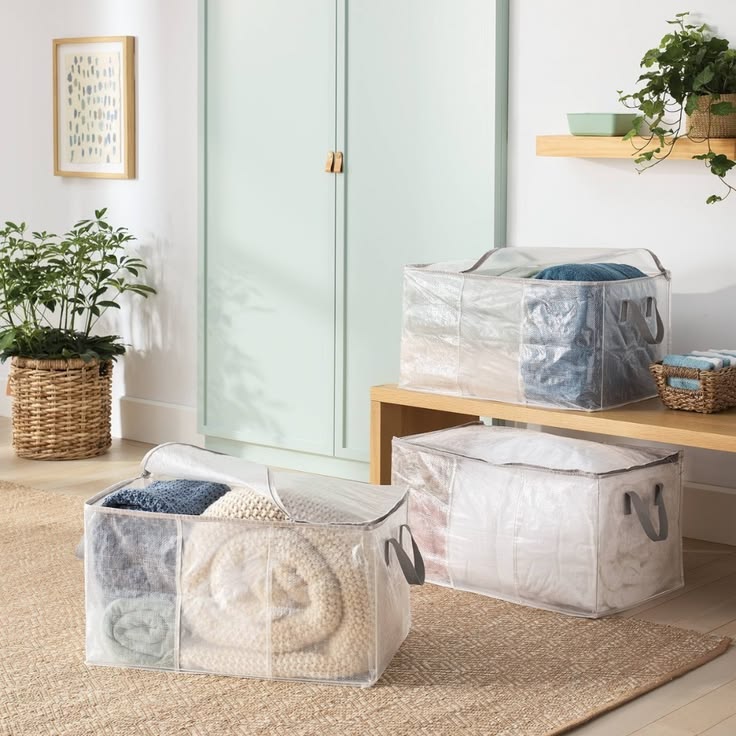
Closed cabinets almost always win when it comes to raw storage space. You can stack mismatched containers, store bulky appliances, and shove away things you don’t want guests to see. Open shelving, on the other hand, forces a bit of discipline because everything’s on display. If you choose open shelves, plan for maybe 60-70% of the storage you’d get from full cabinetry in the same footprint. Use baskets on open shelves to fake a “closed” look while keeping items grouped. This works great in farmhouse or coastal kitchens where woven textures add charm. Next, let’s talk about how each option actually looks day to day.
2. Visual Openness And Room Flow

Open shelving makes small kitchens feel bigger because your eye keeps moving instead of stopping at a wall of doors. Closed cabinets create a calmer, more uniform look since everything blends into one color or finish. If your kitchen is tiny, open shelves near a window or in a corner can trick the eye into seeing more square footage. Pair light wood shelves with white walls for a Scandinavian vibe, or go dark wood with brass accents for something more industrial. This visual trick works especially well in galley kitchens where walls feel tight. Now let’s get into what nobody wants to admit: cleaning.
3. Cleaning And Maintenance Reality
Here’s the truth nobody tells you upfront: open shelves collect dust, grease, and grime way faster than closed cabinets. If your stove sits nearby, expect a light film on everything within a few weeks. Closed cabinets protect dishes from dust and kitchen splatter, meaning less frequent washing. I’d recommend wiping open shelves weekly if you’re using them for everyday dishes. Use closed cabinets for rarely-used items like holiday china, and reserve open shelves for stuff you use daily so it doesn’t sit long enough to gather dust. This split approach saves serious cleaning time. Let’s move on to something everyone asks about first: money.
4. Cost Breakdown

Open shelving typically costs less than closed cabinets because you’re skipping doors, hinges, and hardware. A basic wood shelf installation might run $100-$300 per section, while custom cabinetry can hit $500-$1,200 per linear foot depending on materials. If you’re renovating on a budget, mixing a few open shelves with existing cabinets stretches your dollar further. Choose reclaimed wood or floating brackets for a cheaper, rustic finish that still looks intentional. This budget-friendly move suits farmhouse and industrial kitchens especially well.
Cost & Maintenance Comparison Table
| Feature | Open Shelving | Closed Cabinets |
|---|---|---|
| Average Cost Per Linear Foot | $50-$200 | $300-$1,200 |
| Cleaning Frequency | Weekly | Monthly |
| Installation Time | 1-2 hours per shelf | 1-2 days per set |
| Storage Capacity | Moderate | High |
| Dust Exposure | High | Low |
| Resale Value Impact | Neutral to slightly negative | Positive |
| Best For | Display items, daily-use dishes | Bulk storage, hidden clutter |
5. Organization Habits That Matter

Open shelving demands a certain level of tidiness because messy stacks look bad instantly. If you’re naturally organized, this won’t bother you. If you’re someone who tosses things wherever they fit, closed cabinets will save you from constant visual stress. I always tell people: be honest about your habits before choosing open shelves. Group items by color or size, and keep only your prettiest dishware visible. This works beautifully in modern minimalist kitchens where less is more.
6. Small Kitchen Space Tricks
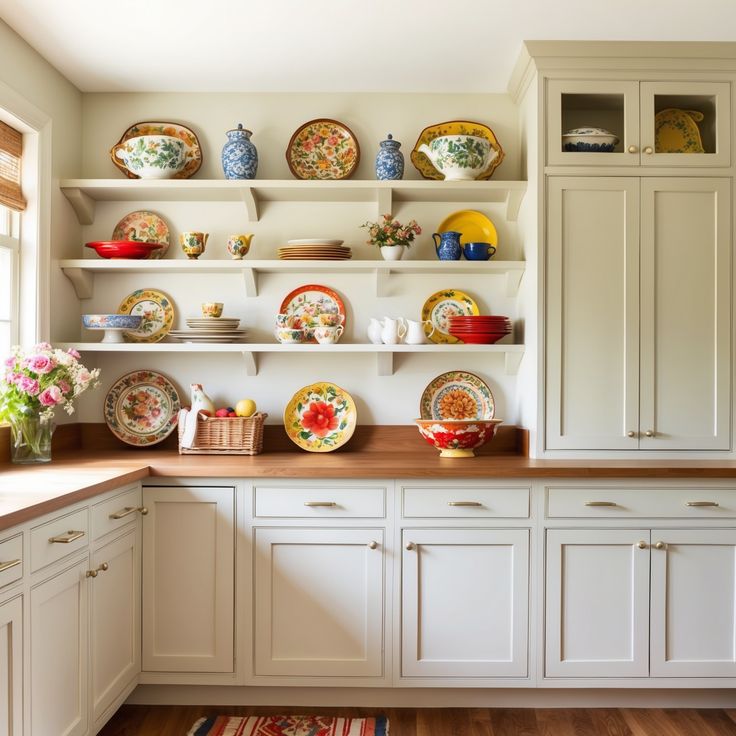
In tiny kitchens, open shelving near corners or above counters saves precious floor space since you skip bulky cabinet boxes. Closed cabinets, when designed with vertical storage or pull-out drawers, can still work in small spaces but usually cost more to customize. Try floating shelves above a sink or stove for quick-access items like spices and mugs. This keeps countertops clear and adds a breezy, open feel to compact layouts. Cottage and studio-style kitchens benefit hugely from this trick.
7. Resale Value And Buyer Appeal

Real estate agents often mention that closed cabinets appeal more broadly to buyers because they hide clutter and feel more “finished.” Open shelving is polarizing; some buyers love the trendy look, others see it as impractical. If you’re renovating to sell soon, lean toward closed cabinets or a hybrid mix. If this is your forever home, open shelving can express your personality without worrying about resale numbers.
8. Mixing Both Styles (The Hybrid Approach)

Why choose one when you can have both? A hybrid kitchen uses closed cabinets for lower storage and open shelves up top, or vice versa. This balances hidden clutter storage with a display area for your favorite pieces. I’ve seen this done beautifully with white lower cabinets and warm wood open shelves above, creating contrast without overwhelming the space. This approach suits transitional and modern farmhouse kitchens especially well.
9. Material Choices For Open Shelves
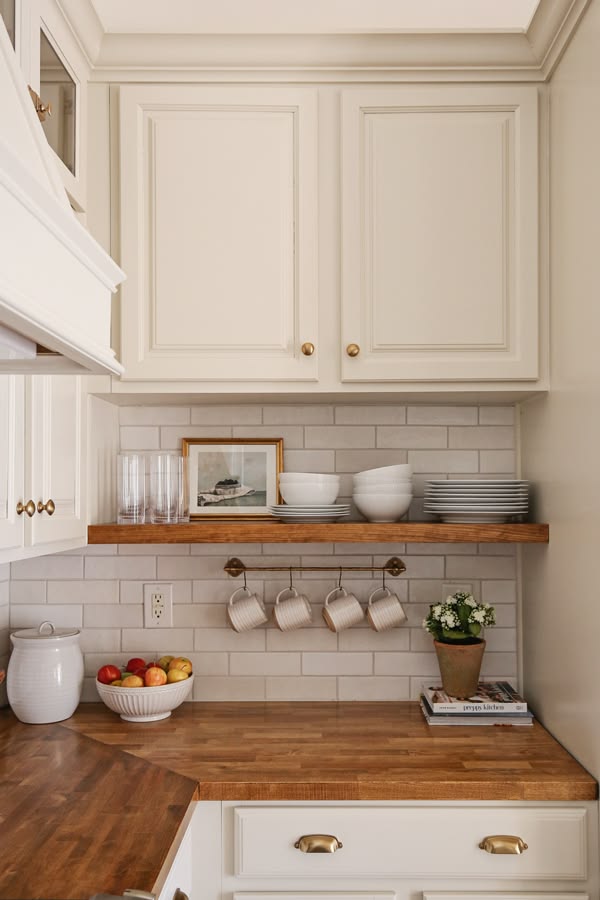
Wood remains the most popular material for open shelving because it warms up a kitchen instantly. Metal or glass shelves work better in industrial or contemporary spaces. Avoid MDF or particleboard near stoves since heat and moisture cause warping over time. Solid oak or walnut shelves last decades with minimal upkeep. Choose a finish that matches your cabinetry hardware for a cohesive look.
10. Material Choices For Closed Cabinets

Closed cabinets usually use plywood boxes with various door materials like laminate, wood veneer, or solid wood. Shaker-style doors remain a timeless choice for traditional kitchens, while flat-panel doors suit modern spaces. Higher-quality plywood resists moisture better than particleboard, especially near sinks and dishwashers. Spend a little extra on soft-close hinges; they’re worth every penny.
11. Lighting Considerations
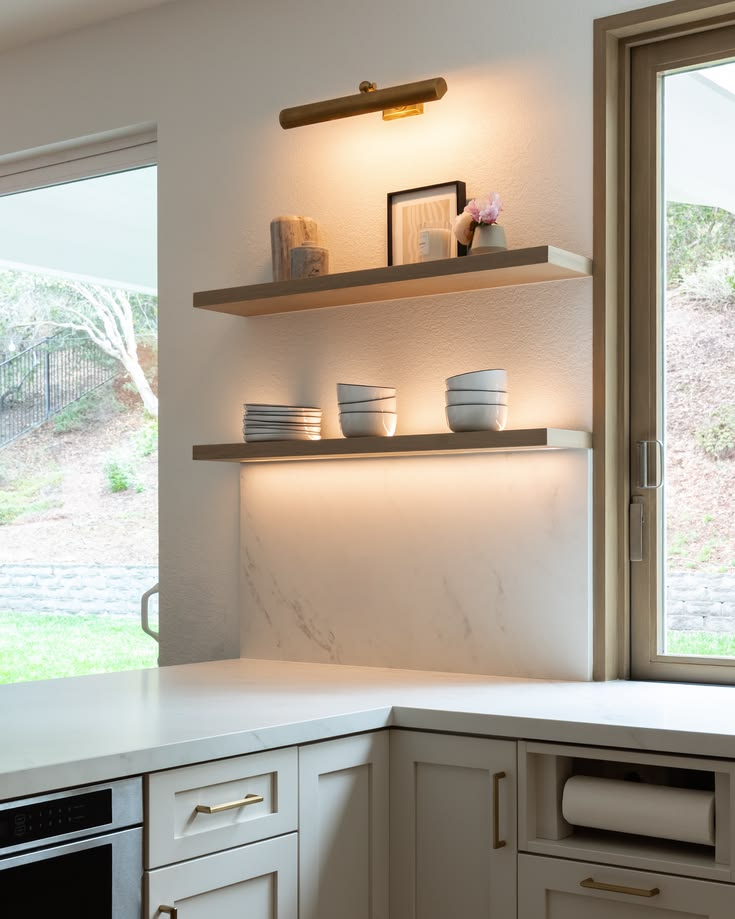
Open shelves practically beg for under-shelf lighting since it highlights your dishware and adds ambiance at night. Closed cabinets rarely need this unless you add glass-front doors. Small LED strip lights under open shelves cost around $20-$40 and instantly upgrade the look. This small addition makes a huge difference in evening kitchen atmosphere.
12. Color Scheme Strategies
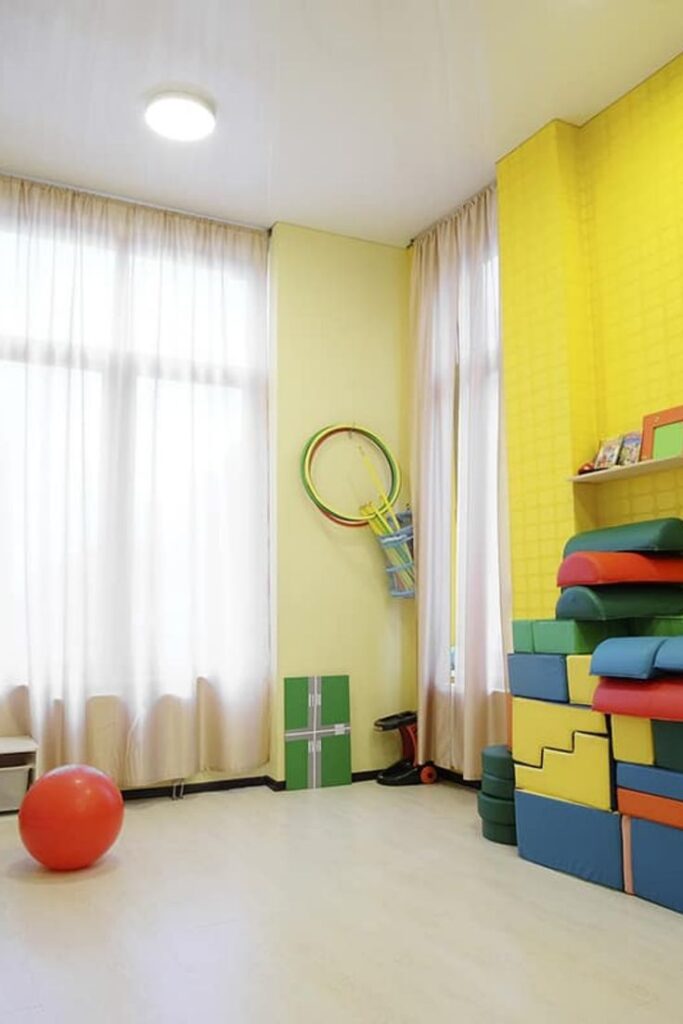
Open shelving works best with a slightly restrained color palette since everything you place becomes part of the decor. Stick to two or three main colors for dishware to avoid visual chaos. Closed cabinets give you more freedom because the mess stays hidden, letting you experiment with bold cabinet colors like navy or forest green. Either way, keep your walls neutral so your storage choice becomes the focal point.
13. Decorative Styling Tips

Style open shelves like you would a bookshelf: mix heights, add a plant, and don’t overcrowd. Closed cabinets can still get decorative treatment through glass inserts or open sections mixed in. A few well-placed items on open shelves look intentional, while too many turn into clutter fast. This styling trick transforms plain shelves into a designer feature.
14. Corner And Awkward Space Solutions

Open shelving handles corners better than boxy cabinets since you can float a shelf across an odd angle easily. Closed cabinets need custom corner units, which cost more and sometimes waste space. If you’ve got an awkward nook, a simple floating shelf often solves the problem cheaper and faster.
15. Noise And Practical Daily Use
Closed cabinets muffle the clatter of dishes when closing doors, while open shelves mean you’re handling items more carefully to avoid scratches or chips. Families with kids might prefer closed cabinets simply for durability and noise control. Open shelving suits quieter households or adults who enjoy a slower, more mindful kitchen routine.
16. Ventilation And Moisture Control

Kitchens near humid climates should think twice about open wood shelving without proper sealant, since moisture warps wood over time. Closed cabinets with good ventilation gaps handle humidity slightly better. Apply a water-resistant finish on open shelves if you live somewhere humid.
17. Renovation Timeline Differences

Installing open shelves takes a fraction of the time compared to full cabinet installation. If you need a quick kitchen refresh before hosting guests, open shelving offers a fast, budget-conscious solution. Closed cabinet installations often require professional help and take days, sometimes weeks with custom orders.
18. Regional And Climate Style Fit

Coastal and farmhouse-style homes lean naturally toward open shelving because it matches the relaxed, breezy aesthetic. Urban and modern homes often favor closed cabinets for a sleek, streamlined look. Consider your home’s overall style before deciding, since storage choices should feel connected to your existing decor.
Style Compatibility Table
| Home Style | Open Shelving Fit | Closed Cabinets Fit |
|---|---|---|
| Farmhouse | Excellent | Good |
| Modern Minimalist | Good | Excellent |
| Coastal | Excellent | Good |
| Industrial | Excellent | Good |
| Traditional | Fair | Excellent |
| Transitional | Good | Good |
19. Budget Renovation Strategy

If you’re stretching a tight renovation budget, replace only your upper cabinets with open shelves while keeping lower closed cabinets intact. This cuts costs significantly while still giving your kitchen a fresh, updated feel. It’s one of the smartest budget moves I’ve recommended to friends renovating older homes.
20. Long-Term Durability

Closed cabinets protect dishware from accidental bumps and reduce breakage risk over years of daily use. Open shelves, while stylish, expose items to more wear and occasional accidents. If durability matters more than looks, closed cabinets win this round easily.
21. Personal Lifestyle Fit

At the end of the day, your choice between open shelving vs closed cabinets kitchen designs comes down to lifestyle. Busy families juggling meals and chaos often do better with closed cabinets. Design lovers who enjoy styling and don’t mind extra dusting will thrive with open shelves. Neither choice is wrong; it’s about matching your daily reality.
Tips For Success
- Start small by converting just one or two cabinet sections into open shelves before committing fully.
- Match shelf brackets or cabinet hardware to your existing kitchen fixtures for a cohesive look.
- Keep everyday dishes on open shelves and store rarely-used items behind closed doors.
- Seal wood shelves properly if you live in a humid climate.
- Add lighting under open shelves for a warm, inviting evening glow.
Common Mistakes And How To Avoid Them
Definition: Overcrowding Open Shelves — cramming too many items onto a shelf, creating visual clutter instead of a curated look. Avoid this by limiting each shelf to a few grouped items with breathing room.
Definition: Ignoring Cleaning Schedules — forgetting that open shelves need regular dusting near cooking areas. Avoid this by wiping shelves weekly, especially near stovetops.
Definition: Mismatched Hardware — using cabinet handles that clash with open shelf brackets. Avoid this by choosing one metal finish throughout the kitchen.
Definition: Poor Material Choice — picking cheap particleboard for open shelves near heat sources. Avoid this by choosing solid wood or sealed materials instead.
Similar Variations Worth Trying
- Glass-front cabinets that combine the protection of closed doors with the visual openness of shelving.
- Open shelving with fabric curtains underneath for a cottage-core hidden storage trick.
- Floating shelves paired with pegboard walls for a highly customizable industrial look.
- Half-open, half-closed upper cabinets where one side has doors and the other stays open.
Wrapping It Up
Choosing between open shelving vs closed cabinets kitchen designs really depends on how you live, cook, and clean. I’ve walked you through cost differences, maintenance realities, small-space tricks, and even hybrid solutions that blend both worlds beautifully. There’s no single “correct” answer here, just the option that fits your daily routine and personal style best.
If you’re still unsure, start small, mix a few open shelves with your existing cabinets, and see how it feels day to day. Whether you lean toward open shelving or closed cabinets in your kitchen, the right choice is the one that makes your space feel functional and truly yours.