25 Modern Kitchen Ideas That Will Transform Your Cooking Space
I’ve spent years studying kitchen design trends, testing layouts, and talking to homeowners about what actually works in their spaces versus what just looks pretty in magazines. That experience is exactly why I can walk you through these 25 modern kitchen ideas with confidence—not just theory, but real, workable design advice.
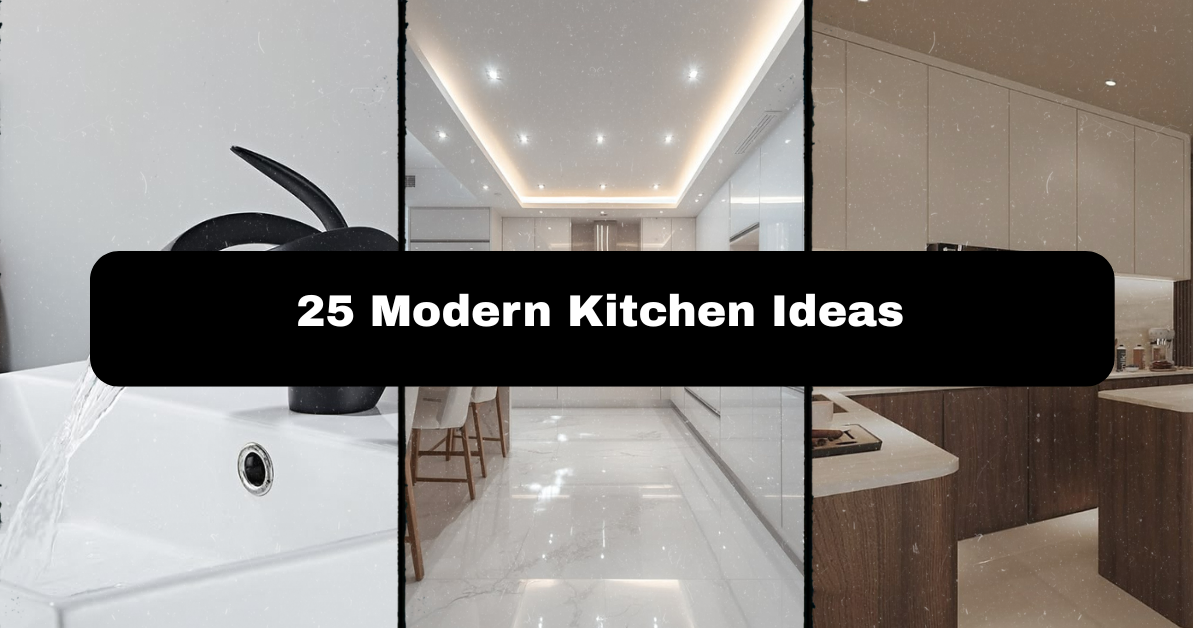
So what are the best modern kitchen ideas? The top modern kitchen ideas include minimalist white cabinetry, waterfall islands, matte black fixtures, open shelving, mixed metal finishes, and smart technology integration. These designs blend clean lines, functional layouts, and bold accents to create a fresh, contemporary cooking space.
Stick around, though, because I’m not just listing ideas here. I’ll show you furniture picks, color combos, common mistakes people make, and a few tricks nobody else is talking about.
Why Modern Kitchen Design Feels Different Right Now
Kitchens have changed a lot. They’re not just for cooking anymore—they’re where people work, hang out, and even host parties. Modern kitchen design reflects that shift. It’s less fussy, more functional, and honestly, a lot more personal than it used to be. I’ll walk you through 25 ideas that cover everything from color choices to layout tricks, so you can pick what fits your home and your life.
1. Minimalist White Kitchens

White kitchens never really left, but the modern version strips away ornate details. Think flat-panel cabinets, hidden hardware, and a whole lot of negative space. This look works because it makes small kitchens feel bigger and lets other elements—like a bold light fixture or a textured backsplash—stand out.
For furniture, go with sleek barstools in wood or black metal. Stick to a white-and-gray palette with maybe one accent color like sage or navy. Add warmth through wood floors or a wooden cutting board display. This style suits contemporary and Scandinavian homes best, though it can work in traditional houses too if you keep some classic molding.
Next up, let’s talk about a design that flips this idea on its head with bold contrast.
2. Two-Tone Cabinetry

Two-tone kitchens use different colors for upper and lower cabinets, and I love this trick because it adds depth without overwhelming the room. A common combo is white uppers with navy or forest green lowers.
Choose cabinet colors that complement your countertop and backsplash. Keep hardware consistent across both tones—brushed brass or matte black works well. A practical tip: use the darker tone below to hide scuffs and daily wear.
This approach suits modern, transitional, and even farmhouse-style kitchens. It’s a great middle step if you’re not ready to commit to an all-dark kitchen.
Speaking of dark kitchens, let’s dive into one of the boldest trends out there.
3. Matte Black Fixtures

Matte black faucets, cabinet pulls, and light fixtures give kitchens an edgy, grounded feel. This trend works because black anchors a room and contrasts beautifully against white or wood tones.
Pair matte black hardware with white or light wood cabinets for balance. Avoid mixing too many black finishes with shiny chrome—it can look messy. Instead, keep other metals minimal or skip them entirely.
This works great in industrial, modern farmhouse, and minimalist kitchens. It’s a small change that makes a big visual impact without a full renovation.
Now let’s open things up—literally—with a shelving idea that’s taken over Pinterest boards everywhere.
4. Open Shelving

Open shelves replace upper cabinets, showing off dishes, glassware, and cookbooks. I get why people love this—it makes kitchens feel airy and lets you display pretty dishware.
Use floating wood shelves for warmth or metal ones for an industrial vibe. Style them with a mix of plates, plants, and cookbooks, but don’t overcrowd them. A practical tip: keep everyday items on lower shelves and decorative pieces higher up.
This idea suits modern, coastal, and farmhouse kitchens. It’s not ideal if you struggle with clutter, though—open shelves demand a bit of discipline.
Next, let’s look at a countertop trend that’s become a real showstopper.
5. Waterfall Countertops

Waterfall countertops extend down the sides of an island, creating a seamless, sculptural look. This design works because it turns your island into a focal point rather than just a workspace.
Quartz and marble are popular choices here. Stick with one continuous slab pattern so the waterfall effect looks intentional, not patched together. Pair with simple barstools so the countertop stays the star of the room.
This look fits modern and luxury kitchens especially well. It’s pricier, so budget-conscious renovators might reserve it for just the island.
Let’s shift gears now and talk tech—because modern kitchens aren’t just about looks.
6. Smart Kitchen Technology Integration

Smart faucets, voice-controlled ovens, and touchless trash cans are becoming kitchen staples. This trend works because it blends convenience with a sleek, futuristic feel.
Choose appliances with matching finishes to keep things cohesive—stainless steel or black stainless are common. A practical tip: start small with one or two smart devices before overhauling your whole kitchen.
This suits modern and tech-forward homes, though it can feel out of place in a strictly traditional kitchen. Smart tech works best when it’s subtle, not flashy.
Now, let’s talk about lighting, because it can make or break a kitchen’s mood.
7. Statement Lighting Fixtures

Oversized pendant lights or sculptural chandeliers over an island can completely change a kitchen’s personality. Lighting works as both function and art here.
Pick fixtures in brass, matte black, or glass depending on your color scheme. Hang pendants about 30-36 inches above the counter for the right balance. Group three matching pendants over an island for symmetry.
This idea fits modern, industrial, and even eclectic kitchens. Just don’t go too small—undersized lighting over a big island looks awkward.
Speaking of bold choices, let’s talk about a style that leans hard into raw materials.
8. Industrial-Style Kitchens

Exposed brick, metal shelving, and concrete floors define the industrial kitchen look. This style works in lofts and open-concept homes because it embraces raw, unfinished textures.
Use black metal cabinet frames with glass fronts, and add a butcher block countertop for warmth. Stick to a muted palette—gray, black, and warm wood tones. A tip here: mix in a few soft textiles, like a woven rug, to keep the space from feeling too cold.
This works best in urban and loft-style homes, though a toned-down version can suit modern farmhouses too.
Let’s soften things up now with a Scandinavian approach.
9. Scandinavian Minimalism

Scandinavian kitchens focus on light wood, white walls, and clean lines. The idea here is “less but better”—fewer items, but each one well-made and functional.
Choose light oak cabinets, white countertops, and simple black or brass hardware. Add warmth with woven baskets or a small potted herb garden on the windowsill. Keep countertops clear—Scandi design hates clutter.
This suits modern, minimalist, and coastal homes. It’s an especially good fit for small kitchens since the light palette makes rooms feel bigger.
Now let’s add a splash of color with island designs that break the neutral mold.
10. Bold Color Islands

A colorful island against neutral cabinets creates instant personality. Think a mustard yellow, deep teal, or burnt orange island surrounded by white or gray cabinetry.
Keep the rest of the kitchen simple so the island doesn’t compete with other loud elements. Match barstool fabric or cushions to tie the color back into the room. A practical tip: test paint samples on the actual cabinet material before committing—colors shift under kitchen lighting.
This idea suits modern, eclectic, and transitional kitchens. It’s a low-commitment way to experiment with bold color without repainting the whole room.
Next, let’s bring some nature indoors with wood accents.
11. Natural Wood Accents

Wood beams, wood range hoods, and wooden countertops add warmth to otherwise sleek modern kitchens. This idea works because it balances hard surfaces like quartz and steel with something organic.
Choose warm wood tones like walnut or oak for hoods and open shelving. Pair with matte black or brass fixtures for contrast. A tip: seal wood countertops properly since they sit near water and heat sources.
This style fits modern farmhouse, Japandi, and even traditional kitchens. Wood accents are a simple way to soften an otherwise cold, minimalist space.
Let’s move to a hardware trend that’s all about clean lines.
12. Handleless Cabinets

Handleless cabinets use push-to-open mechanisms or recessed grooves instead of visible pulls. This look works because it creates an ultra-sleek, streamlined appearance.
Stick with high-gloss or matte cabinet finishes—both look great without hardware interrupting the surface. A practical tip: make sure push-to-open mechanisms are tested before installation since they can wear out with heavy daily use.
This suits modern, minimalist, and European-style kitchens best. It’s not the easiest DIY project, so professional installation is worth the investment here.
Now let’s mix things up with metal finishes that don’t all match.
13. Mixed Metal Finishes

Combining brass faucets with black cabinet hardware and stainless appliances might sound risky, but it works when done with intention. This trend adds depth and avoids the “matchy” feel of older kitchen designs.
Pick one dominant metal (say, brass) and one or two accent metals (black, chrome). Keep large appliances neutral, like stainless steel, so mixed hardware doesn’t overwhelm. A tip: repeat each metal at least twice in the room so it looks planned, not random.
This works in modern, transitional, and eclectic kitchens. It’s a great trick if you’re combining new fixtures with older appliances you’re not ready to replace.
Let’s talk about a cabinet style that puts your dishware on display.
14. Glass-Front Cabinets

Glass-front upper cabinets show off dishware while still offering some protection from dust, unlike fully open shelving. This works well when you want a curated look without full commitment to open shelving.
Use frosted or ribbed glass for a softer, modern touch, or clear glass for a more classic look. Style the inside with matching dishware and a few decorative pieces. A practical tip: keep the inside organized since everything’s on display.
This fits modern, coastal, and traditional kitchens alike. It’s a nice middle ground between fully closed cabinets and open shelves.
Next, let’s get industrial again with a countertop material that’s having a moment.
15. Concrete Countertops

Concrete countertops bring a raw, industrial texture to modern kitchens. I like this option because every slab is unique, with natural variations in color and texture.
Pair concrete with black or wood cabinets for contrast. Seal concrete regularly since it’s porous and can stain. A tip: consider a lighter concrete mix if you want to avoid a heavy, dark kitchen feel.
This style fits industrial, modern, and minimalist kitchens especially well. It’s not the best choice if you want a low-maintenance countertop, though—concrete needs regular care.
Now, let’s tackle storage with a design idea more homeowners are requesting.
16. Hidden or Butler’s Pantries

A hidden pantry behind a door or sliding panel keeps clutter out of sight while giving you extra storage and prep space. This idea works especially well in open-concept homes where the kitchen is always visible.
Fit the pantry with open shelving, a small counter, and maybe a secondary sink. Match the pantry door to surrounding cabinetry so it blends in seamlessly. A tip: add outlets inside for small appliances like coffee makers or toasters.
This suits modern, transitional, and larger traditional homes. It’s a great solution if you host often but don’t want mess visible to guests.
Let’s move to backsplashes, where big tiles are making a big statement.
17. Large Format Tile Backsplashes

Large tiles—sometimes floor-to-ceiling—are replacing small subway tiles in modern kitchens. Fewer grout lines mean a cleaner, more seamless look.
Choose marble-look porcelain or solid-color large tiles for a modern finish. Match grout color closely to the tile to keep lines nearly invisible. A practical tip: large tiles require a flatter wall surface, so check with your installer first.
This works beautifully in modern, minimalist, and luxury kitchens. It’s a striking way to make a small kitchen feel more expansive.
Now, let’s talk about islands that don’t touch the ground.
18. Floating Islands

Floating islands appear to hover, often thanks to a cantilevered design or hidden support structure. This creates a lighter, more modern feel compared to bulky traditional islands.
Pair with slim barstools and pendant lighting to keep the visual weight low. Stick to light-colored materials like white quartz to enhance the floating illusion. A tip: confirm structural support with a contractor—floating islands need proper engineering.
This suits modern and contemporary kitchens best. It’s not typically a fit for traditional or rustic homes, where heavier, grounded furniture feels more appropriate.
Let’s swing over to the moodier side of modern design now.
19. Dark Moody Kitchens

Dark cabinets—navy, charcoal, even black—paired with brass or gold hardware create a dramatic, sophisticated kitchen. This works because dark tones make a bold statement without feeling busy.
Balance dark cabinets with lighter countertops like white quartz or marble. Add warm lighting to prevent the space from feeling too cave-like. A practical tip: use larger windows or skylights if possible, since dark kitchens need good natural light to avoid feeling heavy.
This style fits modern, luxury, and transitional kitchens. It’s not ideal for very small, low-light kitchens unless lighting is addressed carefully.
Next, let’s bring some green into the mix with a trend inspired by nature.
20. Biophilic Kitchen Design

Biophilic design brings nature indoors through plants, natural light, and organic materials. This idea works because it improves mood and air quality while softening a kitchen’s hard edges.
Add potted herbs on windowsills, hanging plants near the sink, or a small living wall. Choose natural materials like stone, wood, and rattan for accents. A tip: pick low-maintenance plants like pothos or snake plants if you don’t have a green thumb.
This suits modern, Scandinavian, and coastal kitchens. It’s a simple, budget-friendly way to freshen up a space without a full renovation.
Let’s look at texture next, since flat cabinet fronts aren’t the only option anymore.
21. Textured Cabinet Fronts

Ribbed, fluted, or wood-grain textured cabinet fronts add tactile interest to otherwise flat, minimalist kitchens. This trend works because it adds depth without relying on color or pattern.
Pair textured cabinets with simple hardware so the texture stays the focal point. Stick to a neutral palette—textured surfaces already provide visual interest. A tip: use textured fronts on an island or accent wall rather than the whole kitchen for a more curated look.
This fits modern, Japandi, and contemporary kitchens well. It’s a subtle upgrade that photographs beautifully and feels expensive without a huge price tag.
Now let’s revisit the island topic, this time focusing on function over form.
22. Multi-Functional Islands

Modern islands now do more than hold a stovetop—they include built-in wine fridges, extra sinks, charging stations, and seating. This works because kitchens have become multi-use spaces for cooking, working, and socializing.
Plan your island layout around your daily habits. If you work from home, add outlets and charging ports. If you entertain often, prioritize seating and a beverage fridge. A tip: leave at least 36 inches of clearance around the island for comfortable movement.
This suits modern, family-friendly, and open-concept kitchens. It’s especially useful in homes where the kitchen doubles as a workspace or homework station.
Let’s look at shape next, since straight lines aren’t the only modern option.
23. Curved and Organic Shapes

Curved islands, rounded cabinet edges, and arched doorways are softening the boxy look of traditional modern kitchens. This trend works because curves feel warmer and more inviting than sharp angles.
Choose a curved island with a matching curved range hood for a cohesive look. Pair with rounded barstools and soft, organic light fixtures. A tip: curves work best in larger kitchens where there’s room for the shape to breathe.
This style fits modern, contemporary, and even Art Deco-inspired homes. It’s a great choice if you want your kitchen to feel less clinical and more welcoming.
Now, let’s explore a design philosophy that blends two cultures beautifully.
24. Japandi Style Kitchens

Japandi combines Japanese minimalism with Scandinavian warmth. This style works because it balances clean lines with cozy, natural materials—less stark than pure minimalism, less cluttered than traditional design.
Use light wood cabinets, matte black accents, and simple stone countertops. Add a few ceramic pieces or a small indoor plant for warmth. A tip: keep countertops mostly clear, with just one or two curated objects on display.
This suits modern, minimalist, and Scandinavian-inspired homes. It’s a calming choice for anyone who wants a kitchen that feels peaceful, not sterile.
Finally, let’s close out with a trend that’s less about looks and more about values.
25. Sustainable and Eco-Friendly Materials

Recycled glass countertops, bamboo cabinetry, and energy-efficient appliances are becoming standard in modern kitchen design. This idea works because more homeowners want kitchens that look good and reduce environmental impact.
Choose FSC-certified wood cabinets and low-VOC paints. Add energy-efficient appliances with good ratings to cut down on utility costs. A tip: check for recycled or reclaimed materials at local salvage yards for unique, budget-friendly options.
This fits modern, minimalist, and eco-conscious homes of any style. It proves that sustainability and good design aren’t mutually exclusive.
Modern Kitchen Color Palette Guide
| Palette Name | Primary Colors | Accent Colors | Best Suited Style |
|---|---|---|---|
| Classic Contrast | White, Charcoal | Brass, Black | Modern, Transitional |
| Warm Minimalist | Cream, Light Oak | Terracotta, Green | Scandinavian, Japandi |
| Bold Statement | Navy, White | Gold, Marble Veining | Luxury, Modern |
| Earthy Natural | Sage Green, Walnut | Copper, Rattan | Biophilic, Farmhouse |
| Industrial Edge | Gray, Black | Raw Metal, Wood | Industrial, Loft |
Material Comparison for Countertops
| Material | Durability | Maintenance | Average Cost per Sq Ft | Best For |
|---|---|---|---|---|
| Quartz | High | Low | $50-$100 | Busy kitchens |
| Marble | Medium | High | $60-$200 | Statement islands |
| Concrete | High | Medium | $65-$135 | Industrial kitchens |
| Butcher Block | Medium | Medium | $35-$100 | Warm, rustic accents |
| Recycled Glass | High | Low | $50-$125 | Eco-friendly homes |
Tips for Success
Getting a modern kitchen right isn’t just about picking pretty finishes. Here’s what actually helps:
- Plan your layout before choosing finishes—function always comes first.
- Stick to a maximum of three main colors to avoid visual clutter.
- Balance hard materials (stone, metal) with soft textures (wood, textiles).
- Invest in good lighting layers: ambient, task, and accent.
- Test paint and material samples in your actual kitchen lighting before committing.
Common Mistakes and How to Avoid Them
Homeowner mistakes: I’ve seen these happen again and again, and they’re easy to avoid once you know what to watch for.
- Overcrowding open shelves: Keep them curated, not stuffed. Rotate décor seasonally.
- Ignoring workflow: Don’t sacrifice the classic kitchen triangle (sink, stove, fridge) for style alone.
- Too much matching: Perfectly matched metals and colors can feel flat. Mix it up slightly.
- Skipping ventilation: A beautiful range hood means nothing if it doesn’t actually vent well.
- Poor lighting planning: Relying on one overhead light leaves shadows and dark corners.
Similar Variations You Can Try
If none of these 25 ideas feel like a perfect match, here are a few blended variations worth considering:
- Modern Farmhouse Fusion: Combine matte black fixtures with natural wood open shelving.
- Industrial Japandi: Mix concrete countertops with light wood cabinets and minimal hardware.
- Coastal Modern: Pair white cabinetry with woven textures and blue-green accents.
- Luxury Minimalist: Blend handleless cabinets with waterfall marble islands and brass fixtures.
Wrapping Up
I hope these 25 modern kitchen ideas gave you a clearer picture of what’s possible for your space, whether you’re planning a full renovation or just updating a few details. From bold color islands to sustainable materials, modern kitchen design today is really about mixing function with personality.
Pick what fits your lifestyle first, then layer in the style details. That’s really the secret behind every good modern kitchen ideas list—function first, beauty second, and a little bit of your own personality woven throughout.