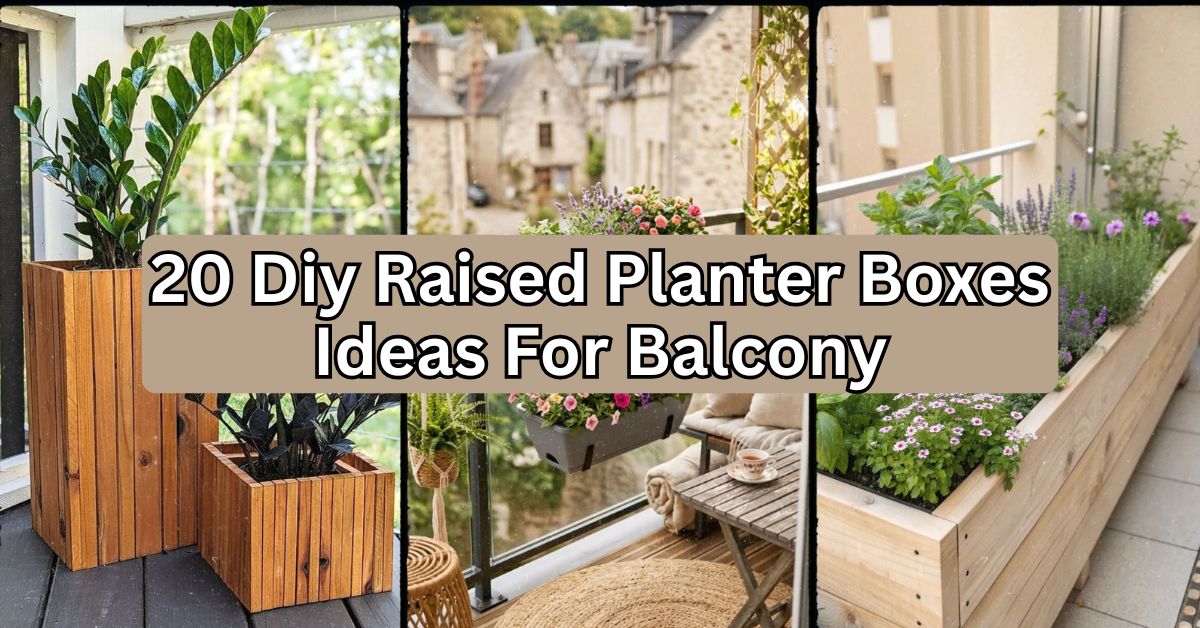
20 DIY Raised Planter Boxes Ideas For Balcony
In the construction of balcony garden plant boxes, accuracy in regard to dimensions, drainage capability, maximum allowable weight, and building materials can mean the difference between success and failure for your garden project. After countless years of experimentation in balcony gardening within limited space environments, there is absolutely nothing I do not understand about building a successful balcony garden.
What are some good DIY raised planter box ideas that can be applied in balcony gardening? Some of the best ideas that come up include cedar slats planter boxes, railings mounted planters, ladder style raised boxes, crate conversion planting beds, and self-watering pvc boxes. The above ideas strike the perfect balance in regard to weight capacity, drainage capabilities, and limited space usage.
However, I am not done yet. I will go into detail concerning the equipment used, the common mistakes people make when creating balcony gardens, and some unique approaches nobody speaks about.
Why DIY Raised Planter Boxes Work So Well On Balconies
Balcony planters are a bit strange things, honestly speaking. Small spaces, very windy, possibly limited in the amount of load which can be placed there. Elevated planter boxes sort of solve everything at once. Lifting plants away from the cold surface of balconies, keeping dirt in place rather than having it scattered by winds, allowing proper drainage management rather than depending on luck with nature. And last but not least, making them by yourself ensures fitting them perfectly according to railings and corners of your balcony. It beats purchasing planters in terms of prices too.
Let’s dive deeper now.
1. Classic Cedar Slat Planter Box

Cedar wood is ideal for constructing outdoor box planters since it does not rot and has insect resistance without any chemicals whatsoever. The basic slat planter will require cutting cedar 1x6s into planks that get attached using screws in an ordinary frame rectangle with small openings between each slat. Colors should remain natural or white-washed at best so that the look maintains its simplicity and seaside vibe. Every year during springtime, a single layer of linseed oil should be applied on top of the planter in order to preserve its integrity. These planters suit a variety of styles such as farmhouse, rustic, and coastal balconies. Functionality includes drilling drainage holes every six inches and lining the interior bottom of the box with landscape cloth prior to filling with dirt.
2. Tiered Ladder Planter
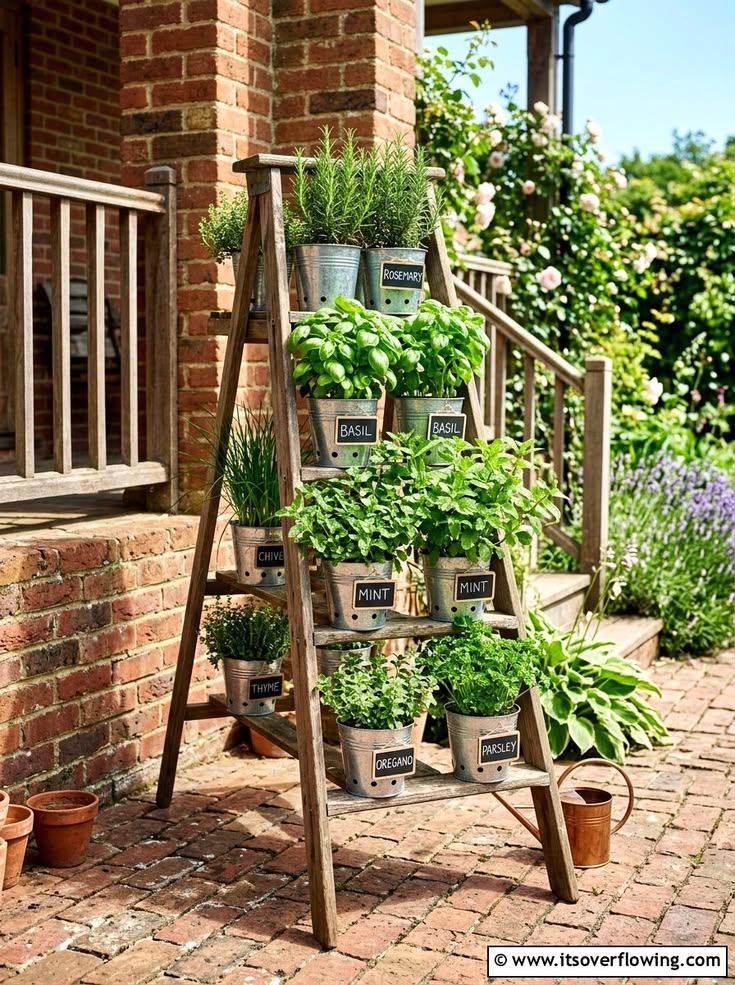
This concept consists of stacking three or four small containers onto an inclined ladder-style framework, allowing for vertical gardening without sacrificing valuable floor space. Great for cultivating herbs, strawberries, or hanging vines such as petunias. Each shelf is painted in a progressively darker tint of the same hue – sage, olive, moss. For instance. Alternatively, the ladder structure may either be varnished in a deep walnut tone or left unfinished in its natural state. A practical recommendation would be attaching the ladder framework to the wall using an L-bracket attachment in order to prevent windstorms from tipping the entire assembly. This aesthetic works perfectly within both minimalist modern and bohemian balcony environments.
3. Railing-Mounted Planter Box
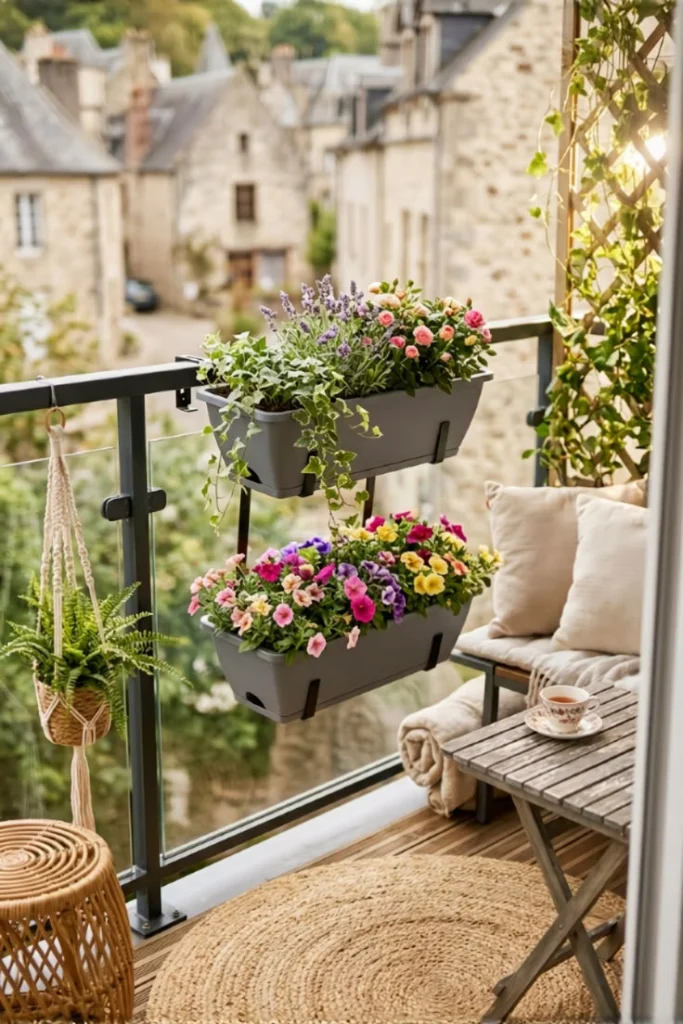
With virtually no footprint to speak of, railing planters come to rescue. In essence, you’re attaching these little boxes right onto your existing balcony railing system, leaving more room beneath them for passage. Construct them using light woods such as cedar or even composite deck boards, ensuring that they aren’t too deep (about 6 to 8 inches) in order not to add unnecessary weight. Make sure that the brackets used to mount them on railing systems are rust-resistant galvanized steel rated for outdoor applications. Black matte or white colored brackets against natural wood boxes create an excellent appearance suitable for almost all types of balconies whether modern industrial or classic traditional. Remember not to exceed structural loading limits while mounting these boxes on your balcony railing.
4. Corner-Fit Triangular Planter
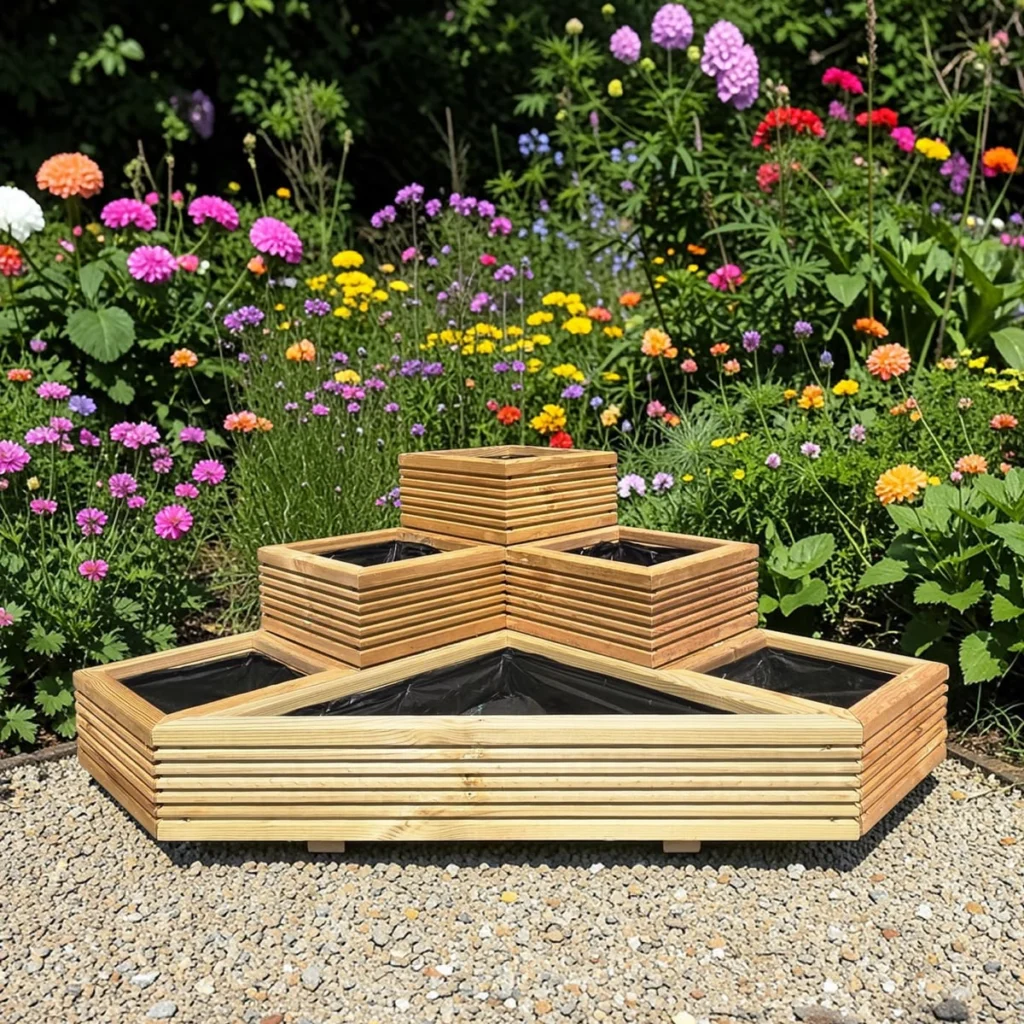
Corners tend to become useless zones on most balcony spaces. All you need is a triangular-shaped box to solve this problem quickly. You will have to cut two sides at a right angle and a diagonal face that will perfectly fit within the corner area. With such a structure, you can ensure maximum use of soil without taking up too much room along your pathway area. It may be finished off in a golden brown shade, which matches beautifully with stone flooring tiles, or painted black to create a more contemporary atmosphere. One thing worth mentioning here is that because of poor circulation in the corners, you might want to plant species that prefer higher humidity levels, such as ferns or begonias.
5. Narrow Trough Box For Tight Spaces
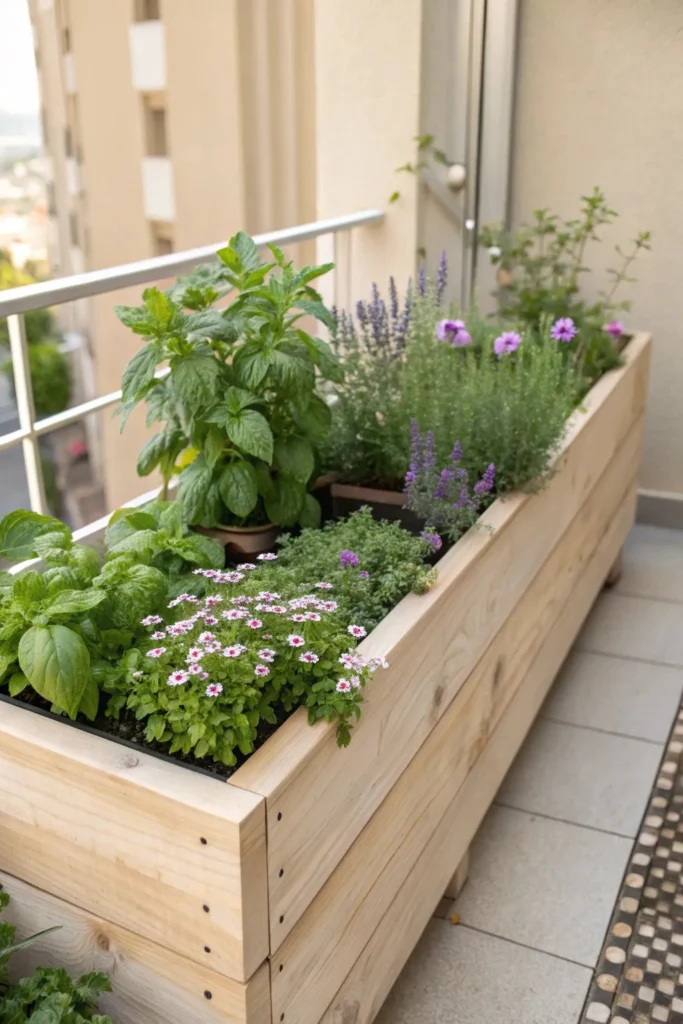
Not every balcony has room for bulky boxes, so a slim trough style (about 8 inches wide) works wonders along walls or edges. Build it from thin cedar boards or even leftover fence pickets for a budget-friendly option. Keep the color palette simple—weathered gray or soft blue paint gives it a cottage feel, while unfinished wood suits a more natural, earthy balcony. Line the interior with plastic sheeting before adding soil to prevent water damage to the wood. This shape is ideal for herbs like basil, thyme, and chives since their root systems don’t need much depth. It transitions well into a self-watering version for those who travel often or simply forget to water regularly.
6. Self-Watering PVC Planter Box
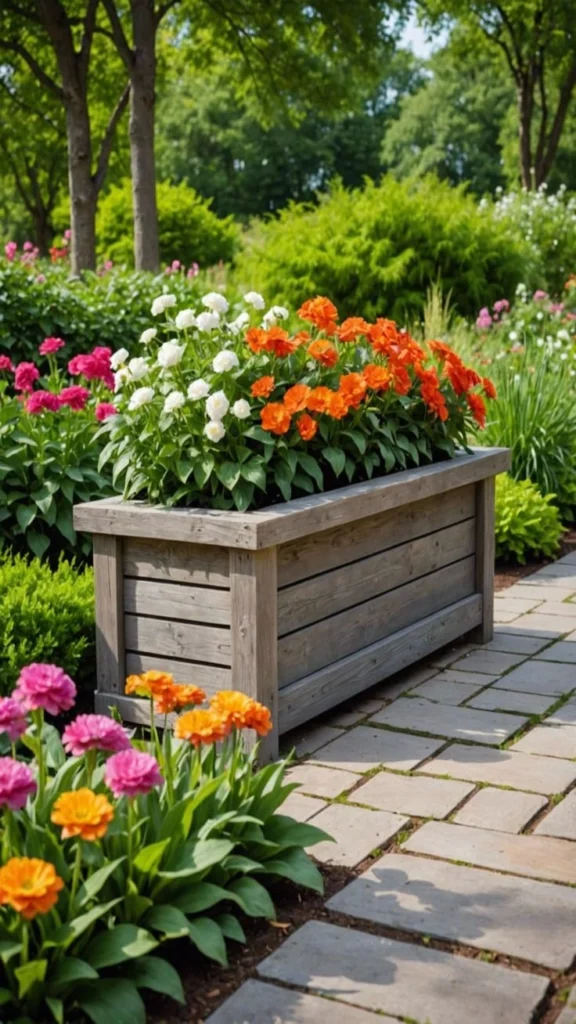
If you’re the type who forgets to water plants for a week, this build saves your greenery. It uses PVC pipe inside the box as a water reservoir, with a wicking system pulling moisture up to the roots. Keep the exterior wood-clad so it still looks like a natural planter rather than a plumbing project. Choose a driftwood gray stain to soften the industrial components hidden inside. Practical tip: drill an overflow hole about two inches from the bottom so excess water escapes instead of drowning roots. This style suits busy professionals and works in almost any decor theme since the reservoir stays hidden. Next up, a design that reuses materials you probably already have lying around.
7. Repurposed Wine Crate Planter
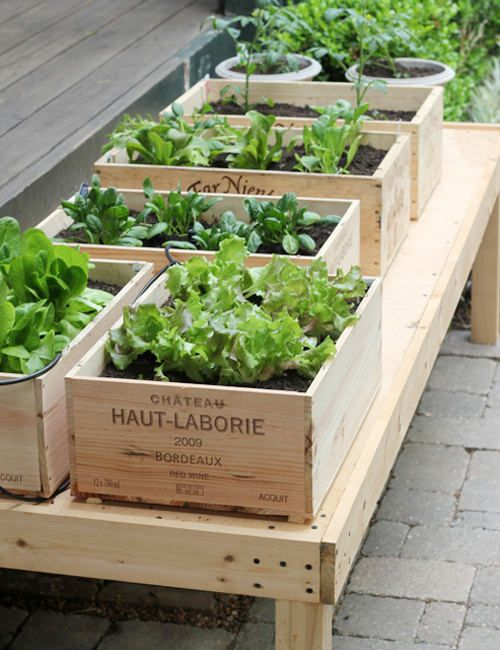
Wine crates are sturdy, already have a rustic charm, and often just need minor modifications to become planters. Drill drainage holes in the bottom, line with landscape fabric, and stack two or three crates for a tiered look. Leave the branding stamps visible for character, or sand and stain them a uniform espresso brown for a cleaner appearance. This idea is a favorite for farmhouse and eclectic balconies because it feels collected rather than store-bought. Practical tip: seal the interior with a food-safe sealant if the crate wood is untreated, since wine crates aren’t built for long-term moisture exposure. This budget-conscious option flows naturally into another upcycled idea using old dresser drawers.
8. Upcycled Drawer Planter
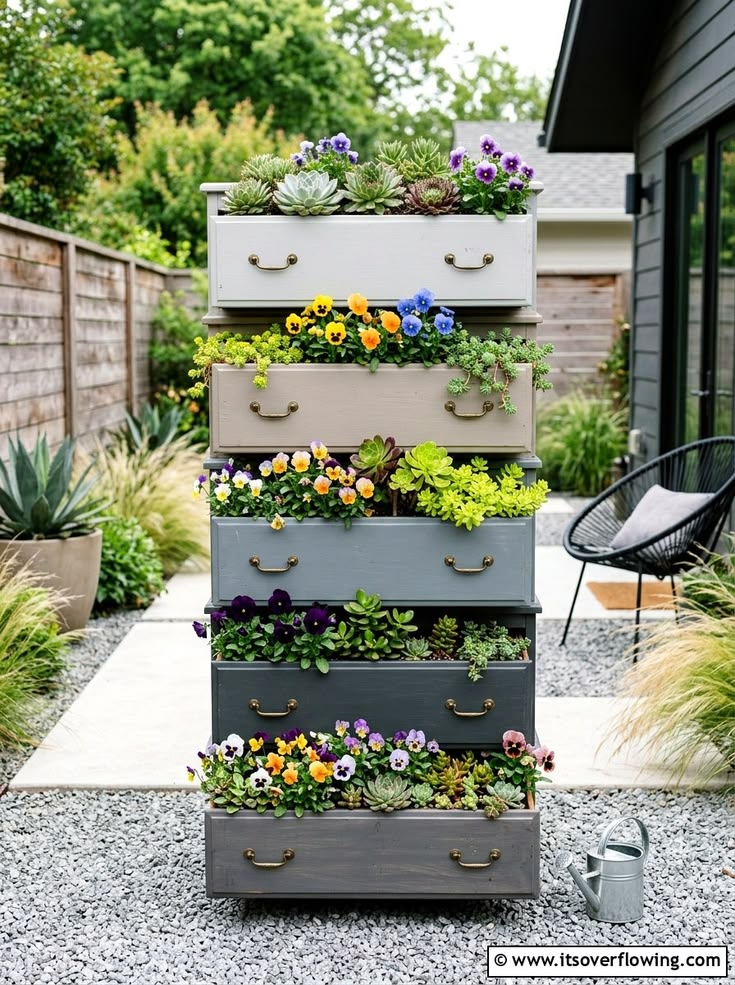
Old dresser drawers make surprisingly good planters once you drill a few drainage holes in the base. Keep the original hardware—knobs and handles—for a vintage touch, and paint the exterior a soft pastel like blush pink or muted teal. This works especially well for shabby-chic or vintage-inspired balconies. Since drawers vary in depth, this is a great option for deeper-rooted plants like tomatoes or peppers if you find a dresser with tall drawers. Practical tip: add rubber furniture feet to the bottom corners so the wood doesn’t sit directly in standing water. From upcycled furniture, let’s move to something built specifically for small-space efficiency: the stackable modular box.
9. Stackable Modular Planter System
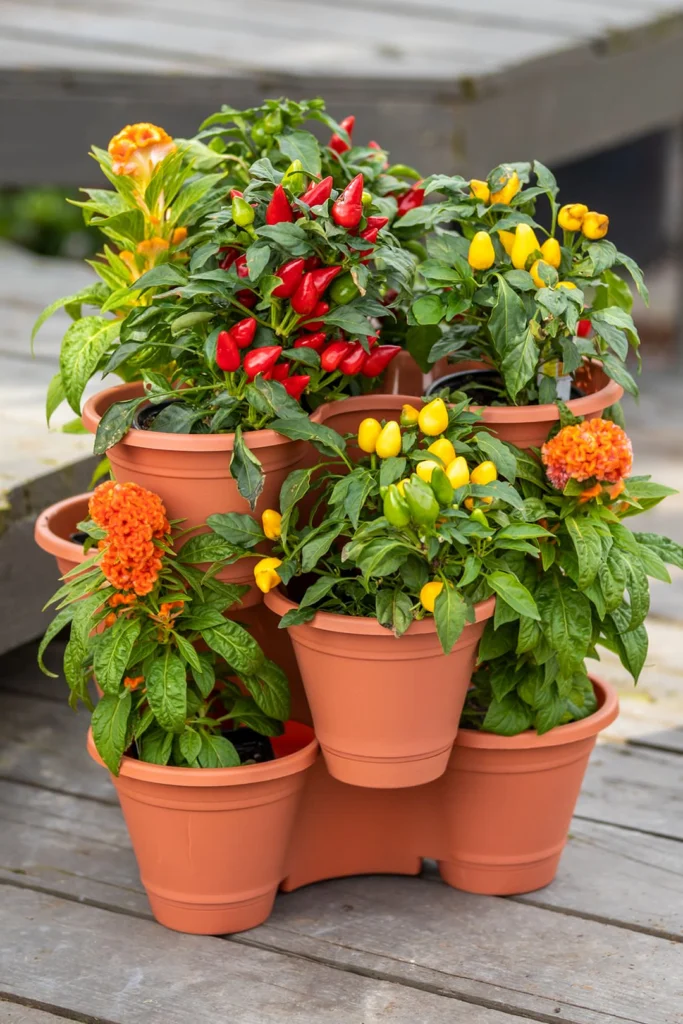
Modular boxes let you configure your balcony garden differently depending on the season or your mood. Build simple square boxes (about 12×12 inches) with interlocking edges so they stack securely without shifting. Paint them in a gradient of colors—terracotta, rust, and cream—for a playful, artistic display. This system is fantastic for renters since it’s easy to disassemble and move. Practical tip: use exterior wood glue on the interlocking joints for extra stability during windy days. This modular idea suits eclectic and modern balconies alike, and it leads well into a hanging variation for those who want to add vertical layers above their modular base.
10. Hanging Planter Box With Chains
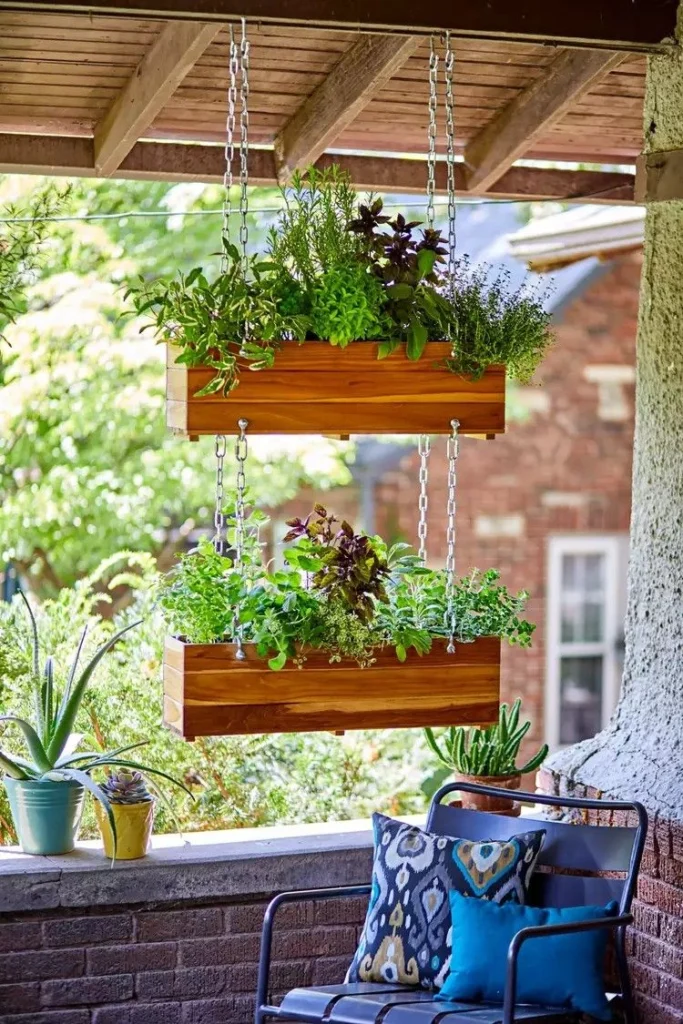
Suspended planter boxes free up floor and railing space entirely by hanging from an overhead structure like a pergola beam or ceiling hook. Build a shallow rectangular box and attach four chains at even points for balanced hanging. Choose weather-resistant chain hardware, and paint the box a bold color like mustard yellow or deep teal to make it a focal point. This idea works great on covered balconies with overhead framing. Practical tip: use swivel hooks so the box can rotate slightly for even sun exposure without tangling chains. This design suits bohemian and cottage-style spaces, and pairs beautifully with the next idea—a window box adapted for balcony railings.
11. Adapted Window Box For Railings
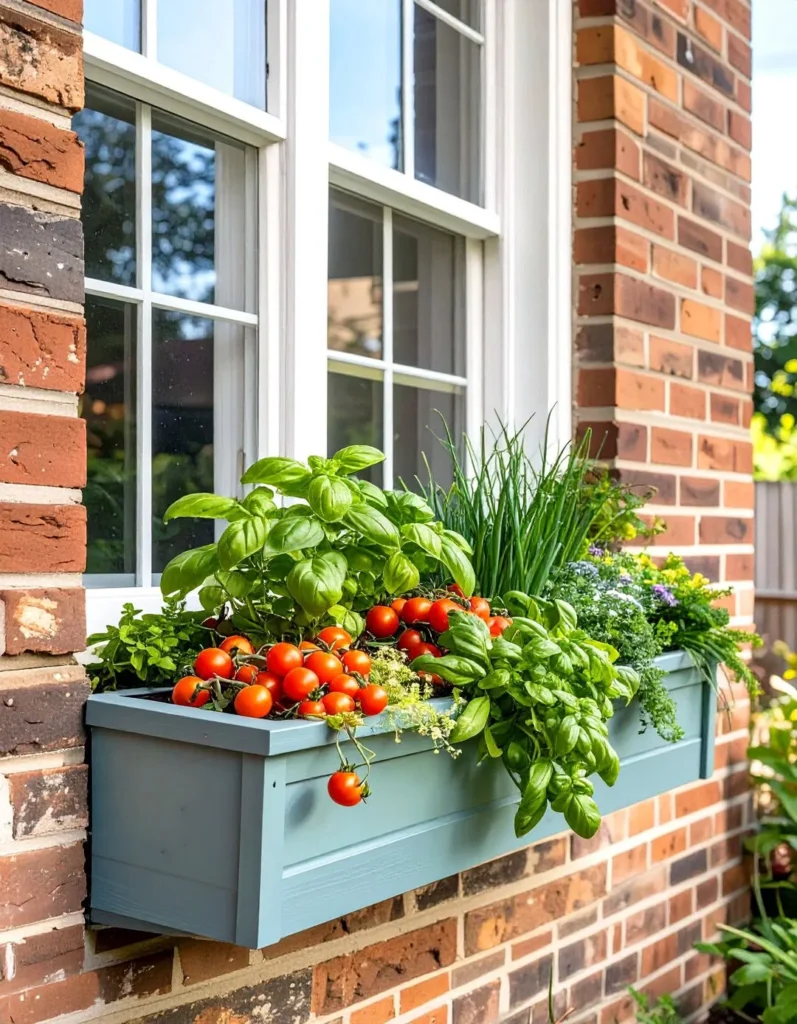
Traditional window boxes translate surprisingly well to balcony railings with a few tweaks. Widen the mounting brackets to fit standard railing thickness, and keep the box shallow to reduce strain on the hardware. White or cream boxes with cascading flowers like lobelia give a classic, romantic look, especially against dark iron railings. This suits traditional and French-country balcony styles particularly well. Practical tip: use two brackets minimum, spaced at least 18 inches apart, to prevent tipping under the weight of wet soil. From this classic option, we move into something bolder—a raised box built with a built-in trellis for climbing plants.
3 Materials & Cost Comparison Table
| Material | Approx. Cost (per 3ft box) | Lifespan | Weight (Empty) | Best For |
|---|---|---|---|---|
| Cedar | $35–$50 | 10–15 years | 8–10 lbs | Most climates, natural look |
| Pine (treated) | $20–$30 | 5–7 years | 7–9 lbs | Budget builds |
| Composite decking | $50–$70 | 20+ years | 10–12 lbs | Low maintenance |
| Reclaimed pallet wood | $0–$10 | 3–5 years | 6–8 lbs | Rustic, budget-friendly |
| PVC/plastic | $25–$40 | 15+ years | 5–6 lbs | Self-watering builds |
12. Trellis-Integrated Climbing Planter
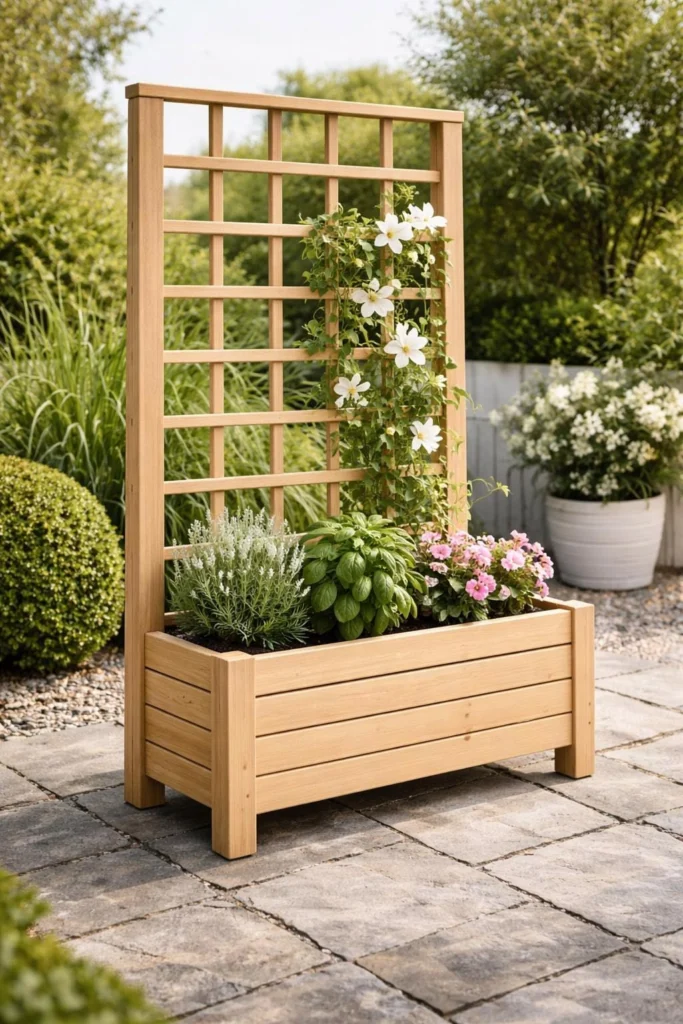
Vertical growing changes everything on a small balcony. This box includes a wooden trellis frame attached to the back panel, giving vines and climbing plants like sweet peas or small cucumbers somewhere to go besides sideways. Stain the trellis a slightly darker shade than the box for subtle contrast. This design works wonderfully for cottage and traditional balconies craving a bit of green privacy screening. Practical tip: space trellis slats about 4-6 inches apart so tendrils can grip easily. This box naturally leads into a privacy-screen variation built for balconies overlooking busy streets or neighbors.
13. Privacy Screen Planter Combo
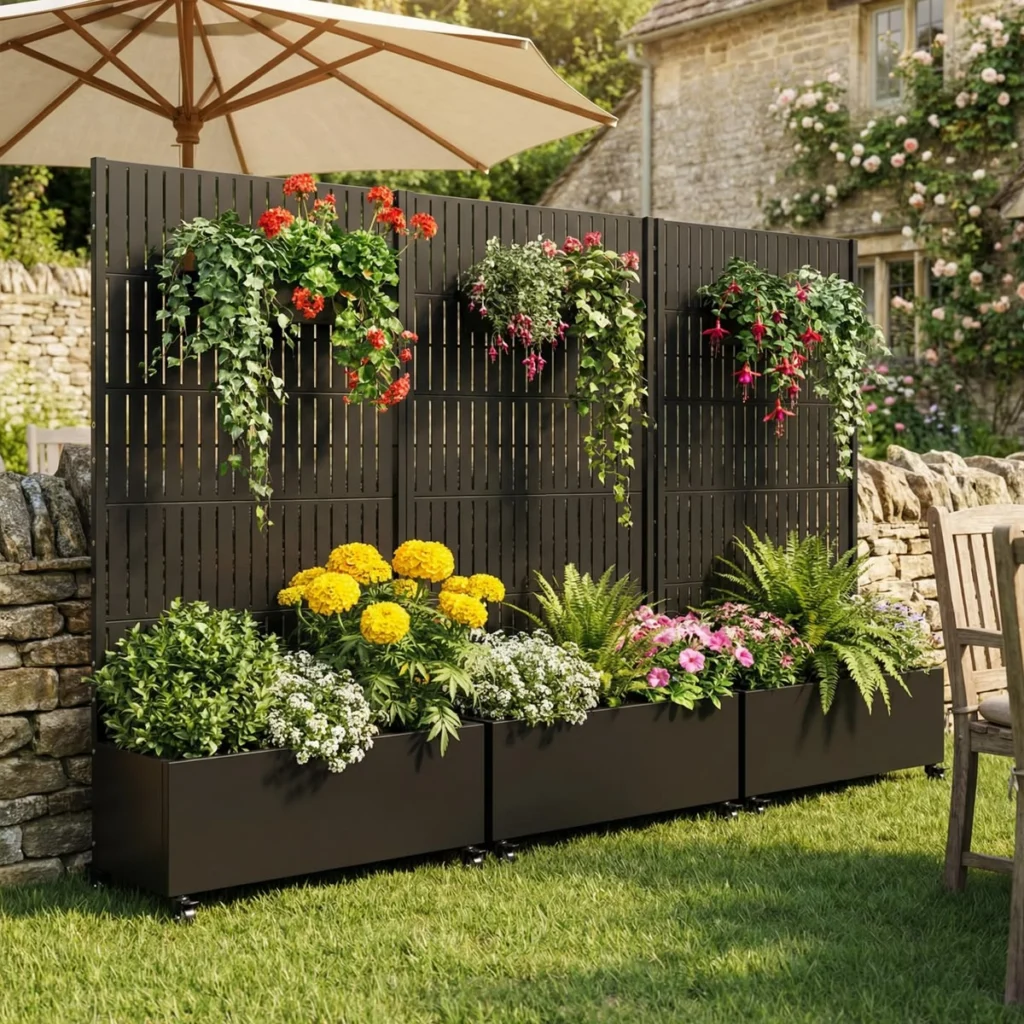
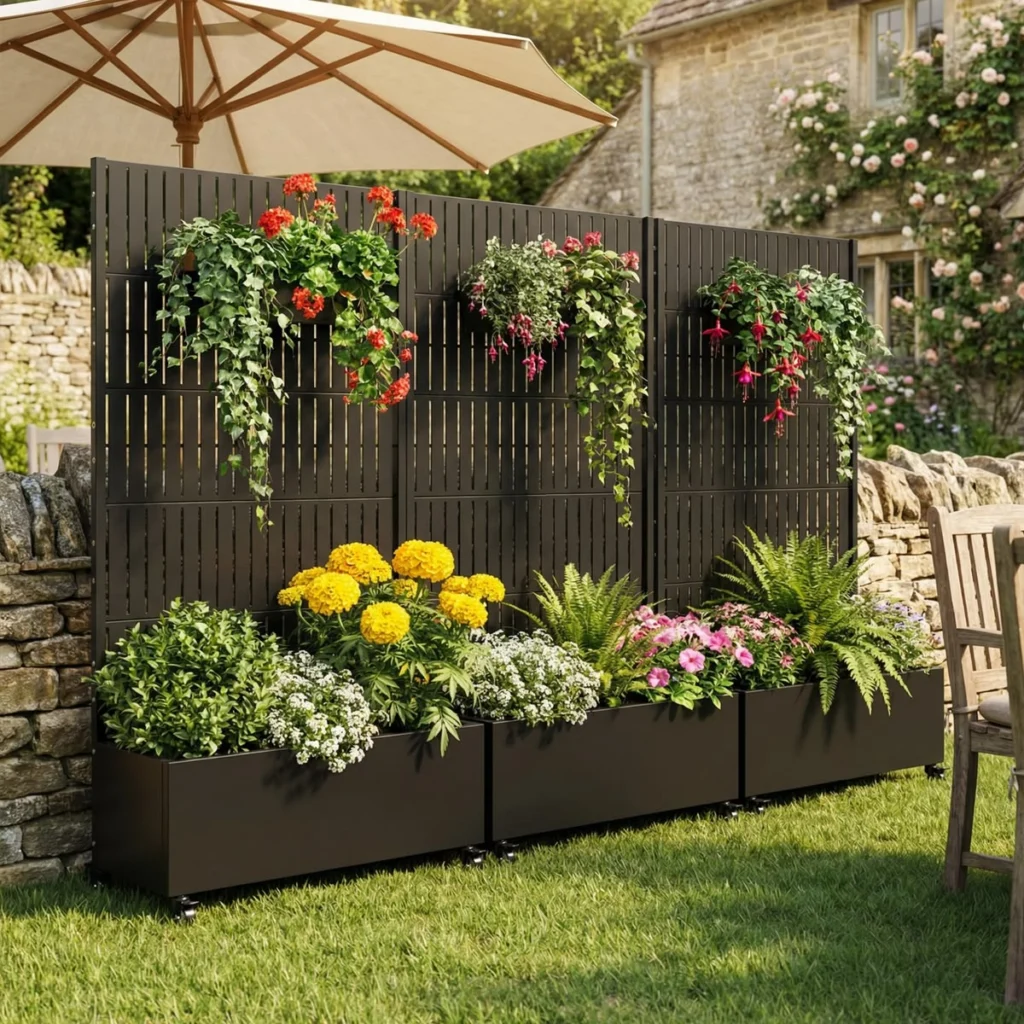
Combine function and privacy by building a tall planter box with an attached lattice or slat panel rising 3-4 feet above the soil line. Bamboo or thin cedar slats work great for the screen portion. Stain everything a matching dark walnut for a cohesive, intentional look rather than a mismatched add-on. This is perfect for urban balconies where privacy matters as much as greenery. Practical tip: plant fast-growing climbers like clematis at the base so the screen fills in naturally within a season. This leads into a smaller-scale idea: a compact herb box designed specifically for kitchen-adjacent balconies.
14. Compact Herb Garden Box
Herbs don’t need much root depth, so a shallow box (5-6 inches) divided into compartments works perfectly for balconies near the kitchen door. Use small wooden dividers to separate basil, mint, and rosemary so aggressive growers like mint don’t take over. Paint the exterior a cheerful terracotta or leave it natural for a Mediterranean feel. This suits farmhouse kitchens and Mediterranean-style balconies especially well. Practical tip: mint should honestly get its own separate box since its roots spread aggressively even in divided compartments. Next, let’s look at a design built specifically for renters who can’t drill into anything.
15. No-Drill Freestanding Box
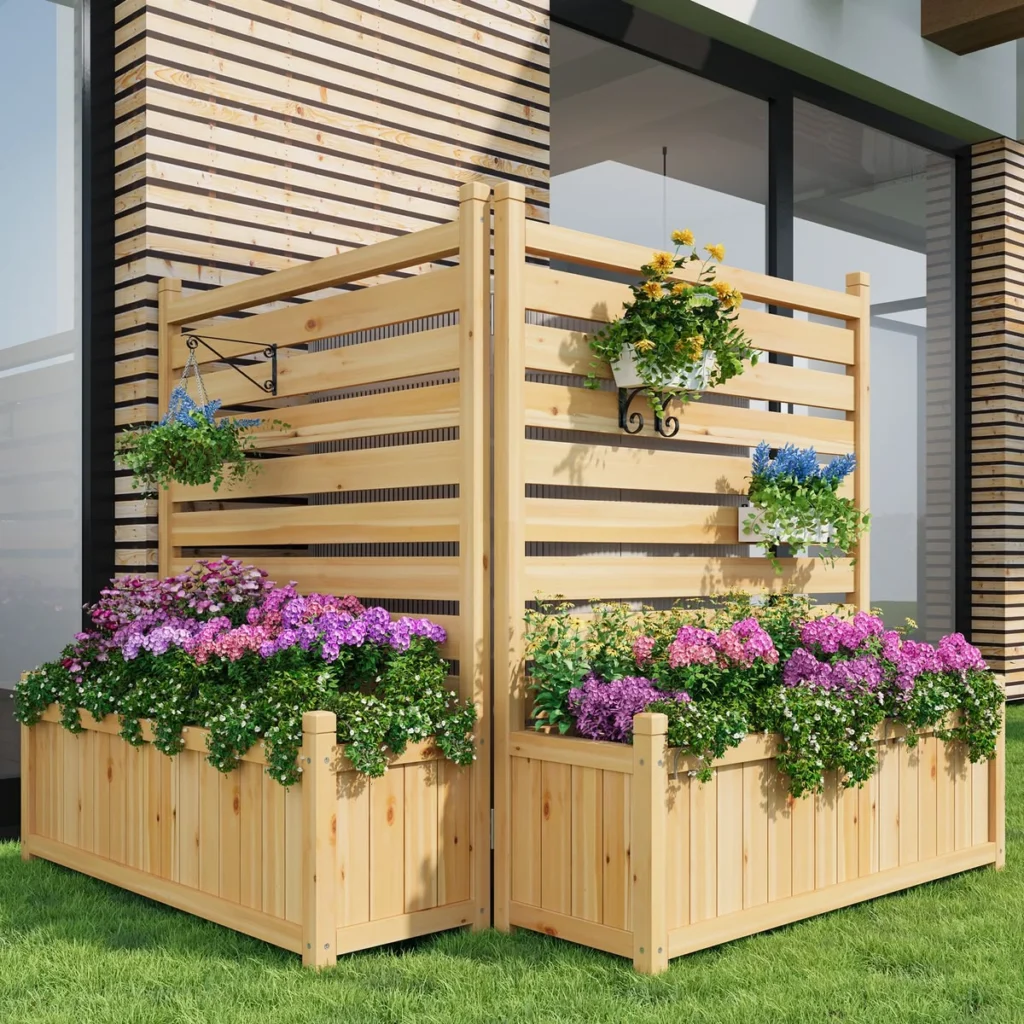
Renters often can’t attach anything permanently to railings or walls, so a freestanding box with a wide, stable base solves that problem. Build the base 20% wider than the box itself for tip-resistance in windy conditions. Add locking caster wheels underneath for easy repositioning when you need to sweep or rearrange. Choose a neutral gray-brown stain so it blends with nearly any rental balcony aesthetic. Practical tip: fill the bottom third with lightweight expanded clay pellets instead of all soil to reduce overall weight. This idea flows into a slightly more decorative version featuring painted geometric patterns.
16. Geometric Pattern Painted Box
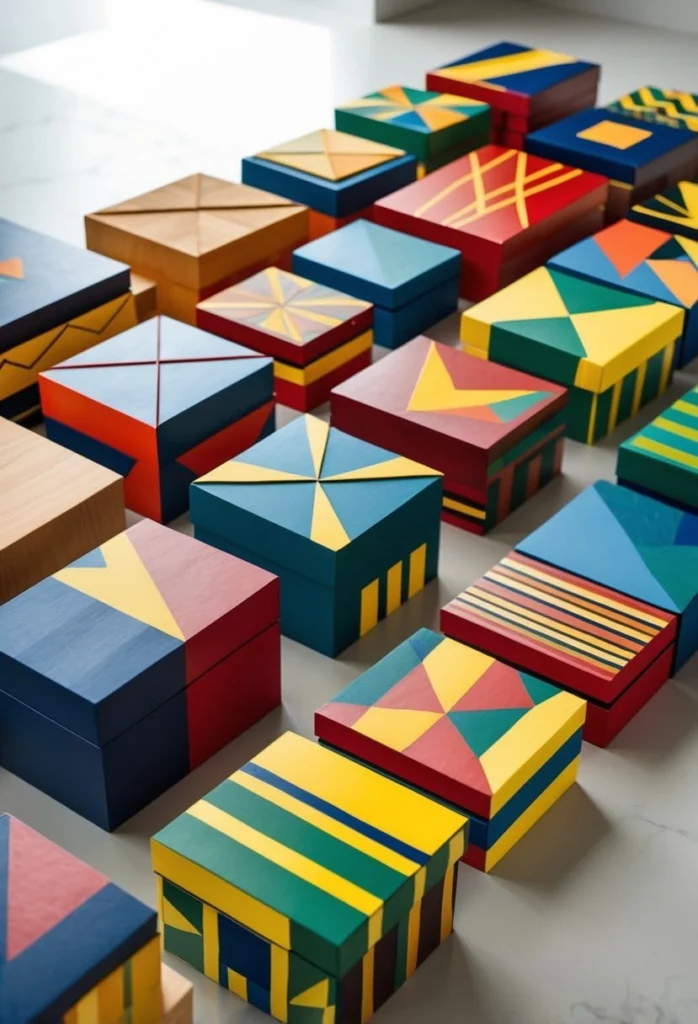
Sometimes the planter itself should be the star, not just the plants inside it. Use painter’s tape to create clean geometric patterns—chevrons, color blocks, or diamonds—on a simple square box. Bold contrasting colors like navy and mustard, or coral and white, give a modern art-meets-garden feel. This style suits modern and eclectic balconies wanting a statement piece. Practical tip: apply two coats of exterior polyurethane over the painted design to protect it from sun fading and rain. This decorative approach pairs nicely with a natural, unfinished contrast: the raw log planter box.
17. Raw Log Planter Box
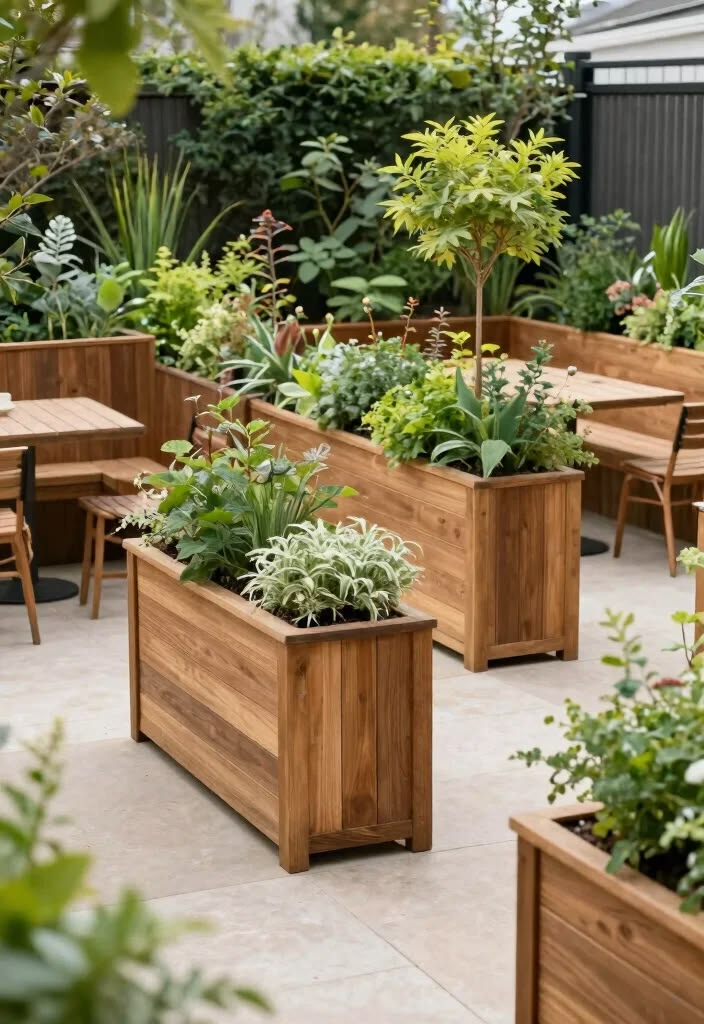
For a rugged, organic look, hollowed or box-framed logs make striking planters. Use a chainsaw or drill to hollow out a section of log, or build a simple box frame using thick branch sections as the corners. Leave the bark on for texture, or peel it for a smoother, cleaner finish. This suits rustic, cabin-style, and woodland-themed balconies beautifully. Practical tip: treat the interior with a waterproof liner since raw wood absorbs moisture quickly and rots faster than milled lumber. From rustic textures, let’s shift to something sleek and industrial: the metal-clad planter box.
18. Metal-Clad Industrial Planter
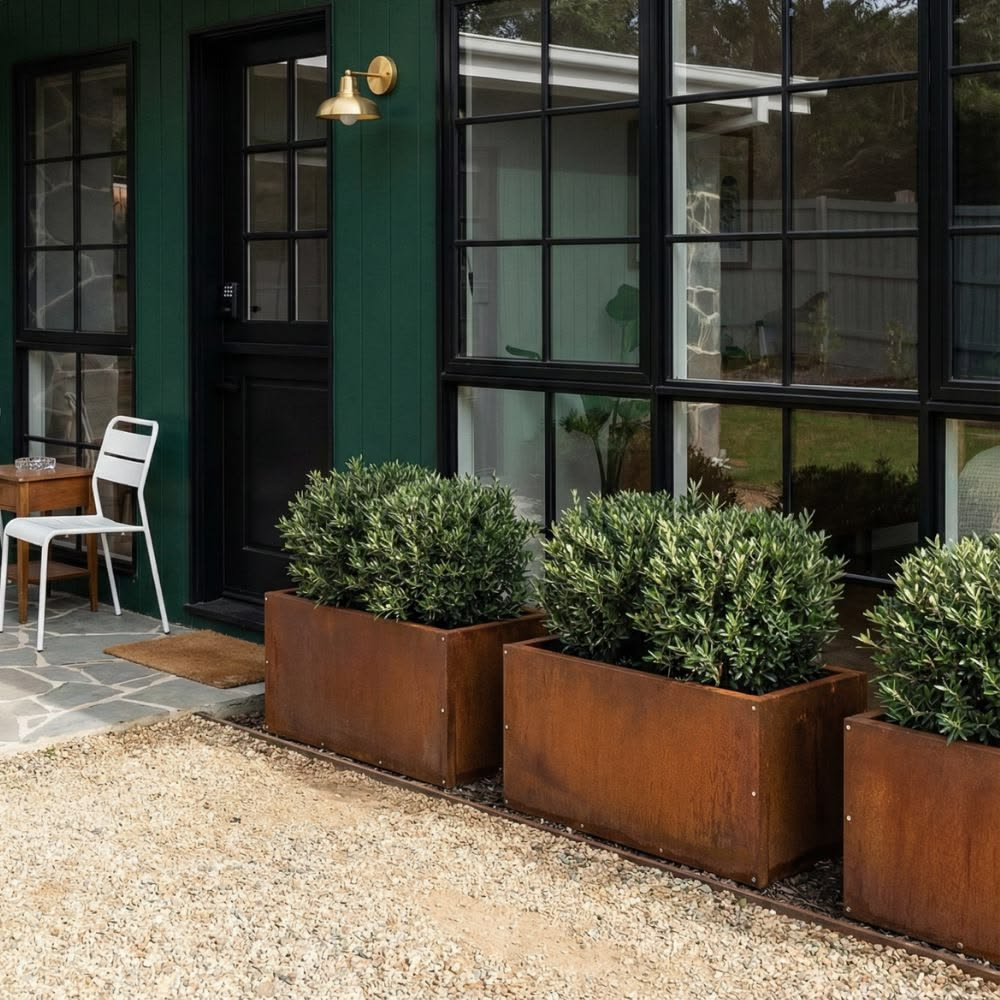
Wrap a wooden frame in corrugated metal sheeting or galvanized tin for an industrial, urban-loft aesthetic. The metal exterior handles weather exposure exceptionally well and needs almost no maintenance. Pair it with black hardware and structural, architectural plants like succulents or ornamental grasses. This works best on modern and industrial-style balconies with concrete or metal railings already present. Practical tip: add rubber washers between metal and wood screws to prevent rust streaks running down the sides. This industrial idea contrasts nicely with our next, softer option: the woven willow planter.
19. Woven Willow Basket Box
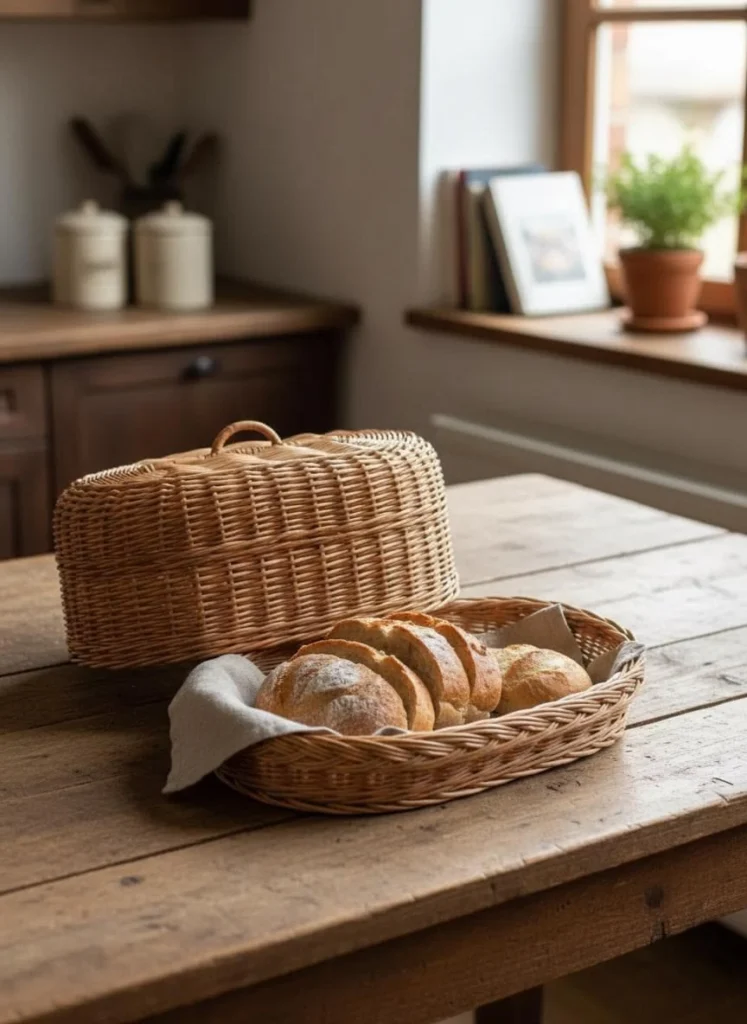
For a softer, textured look, build a simple wooden frame and weave willow branches or thin bamboo around the exterior. This adds natural texture without the full cost of specialty materials. Keep the color natural, letting the willow age to a silvery gray over time for a lovely aged look. This suits cottage, coastal, and bohemian balconies wanting organic charm. Practical tip: soak willow branches in water for 24 hours before weaving so they bend without snapping. Finally, let’s wrap up with a design built for maximum growing capacity: the deep raised bed box.
20. Deep Raised Bed Box For Vegetables
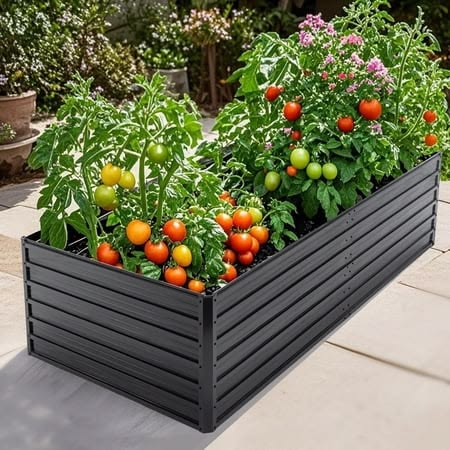
If your balcony can handle the weight, a deep box (12-16 inches) opens up options for vegetables like peppers, dwarf tomatoes, and even small potatoes. Reinforce corners with metal L-brackets since deep boxes hold significantly more soil weight. Stain it a deep forest green or classic natural wood tone depending on your balcony’s overall palette. This suits balconies of gardening enthusiasts wanting real harvests, regardless of decor style. Practical tip: always check your balcony’s load rating before building anything this substantial—soil alone can weigh over 80 pounds per cubic foot when wet.
Tips For Success
- Always prioritize drainage holes before worrying about looks
- Check your balcony’s weight limit before building anything large or deep
- Use rot-resistant wood or line boxes with plastic sheeting
- Group plants by water needs to simplify care
- Position boxes to maximize sunlight exposure based on your balcony’s direction
Common Mistakes And How To Avoid Them
Definition List:
Skipping drainage holes — This causes root rot within weeks. Always drill holes and add a gravel layer at the base.
Ignoring weight limits — Overloaded balconies are a real structural risk. Calculate soil, water, and box weight combined before building.
Using non-treated wood without sealing — Untreated wood rots fast in constant moisture. Seal with waterproof liner or exterior sealant.
Overcrowding plants — Roots compete for nutrients and water. Space plants according to mature size, not seedling size.
Forgetting wind exposure — Balconies get gustier than ground-level gardens. Anchor boxes and choose sturdy, low plants near edges.
Similar Variations Worth Trying
- Convert planter boxes into mini compost bins during off-seasons
- Add solar-powered LED strip lighting along box edges for nighttime ambiance
- Build a fold-down box that attaches flush against the wall when not in use
- Create a themed “kitchen garden” cluster combining herbs, peppers, and edible flowers
- Use chalkboard paint labels on boxes for easy plant identification
Wrapping It Up
Building your own balcony garden doesn’t need to be complicated or expensive. With the right DIY raised planter boxes, even the smallest balcony can turn into a genuinely productive, good-looking outdoor space. Pick a design that matches your style, pay attention to drainage and weight, and you’ll have a thriving little garden in no time.