20 Living Room Divider Ideas That Actually Work
I’ve spent years staring at open floor plans, wondering how to carve out separate zones without building an actual wall. If you’re here searching for living room divider ideas, trust me, I’ve tested, researched, and lived with more of these solutions than I care to admit.
So what are the best living room divider ideas? The top choices include bookshelves, sliding barn doors, curtain panels, folding screens, and half-walls. Each option creates distinct zones while keeping the space open, airy, and full of natural light.
Stick around, though. I’m about to walk you through 20 divider ideas, complete with material comparisons, budget breakdowns, and mistakes that cost people hundreds of dollars in redo projects.
Why Room Dividers Matter More Than You Think
Here’s the thing. Open concept living sounds great on paper. But when your kids are doing homework three feet from your Netflix binge, things get messy fast. A good divider solves this problem without sacrificing that open, breezy feeling everyone loves. It’s not about building walls—it’s about creating boundaries that still let light, sound, and energy flow through your space.
1. Bookshelf Room Dividers

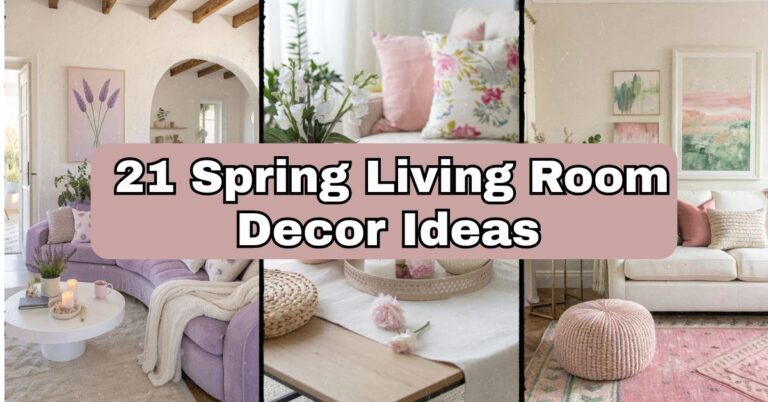
Bookshelves are the OG of room dividers, and honestly, they still work better than half the trendy options out there. You get storage, display space, and a visual break, all in one furniture piece. Choose open-back shelving if you want light to pass through, or solid-back units if you need more privacy. Mix in baskets, plants, and framed photos to avoid that “office cubicle” look.
For color schemes, stick with wood tones that complement your existing furniture, or go bold with a painted back panel in a contrasting shade. This idea suits nearly every home style, from farmhouse to mid-century modern. One practical tip: anchor tall bookshelves to the wall for safety, especially with kids around.
Next up, a divider option that’s having a serious moment right now.
2. Sliding Barn Doors

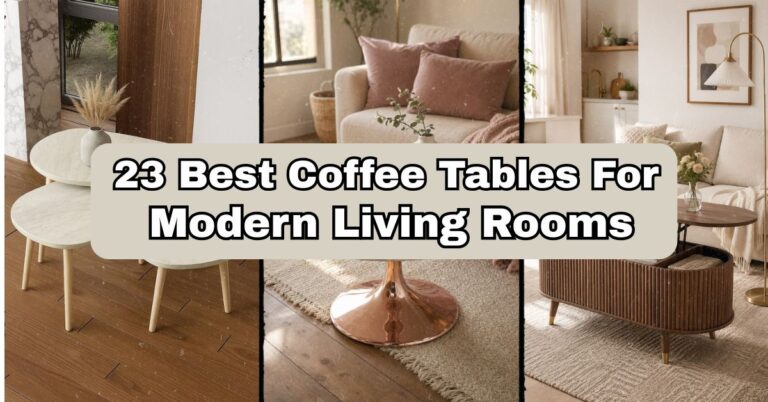
Sliding barn doors bring rustic charm while giving you the option to fully close off a space when needed. They’re mounted on a track, so they don’t eat up floor space like a swinging door would. I love pairing these with industrial black hardware and reclaimed wood panels for that farmhouse-meets-modern vibe.
Keep your color palette neutral here, think weathered wood, matte black, or crisp white, so the door doesn’t compete with your existing decor. Make sure you have enough wall space on either side of the opening for the door to slide freely. This works beautifully in farmhouse, industrial, and transitional homes.
If sliding doors feel too permanent, curtains might be your answer.
3. Curtain Panel Dividers

Curtains are the softest, most flexible divider you can get. Hang a ceiling-mounted track and drape floor-length panels in linen, velvet, or cotton blends. You can push them aside in seconds or close them for instant privacy.
Choose fabric colors that echo your existing throw pillows or rug for a cohesive look. Heavier fabrics like velvet dampen sound better, which helps if noise is a concern. This idea works in nearly any style, from bohemian to contemporary, since fabric choice does all the heavy lifting. A quick tip: use blackout lining if you’re dividing a space that doubles as a bedroom.
Now let’s talk about a divider that folds away completely when you don’t need it.
4. Folding Screens

Folding screens are portable, affordable, and endlessly stylish. You’ll find them in rattan, wood, metal, or fabric-covered panels. They’re perfect for renters since there’s zero installation required.
Look for screens with three or four panels for maximum coverage. Match the material to your room’s existing texture, rattan for boho spaces, lacquered wood for modern rooms. Practical tip: fold the screen at a slight angle rather than flat against the wall for better stability and visual interest. This solution suits transitional, coastal, and eclectic homes especially well.
Speaking of furniture doing double duty, let’s look at sofas next.
5. Sofa-Back Dividers

Positioning your sofa with its back facing the “other side” of the room instantly creates two zones without adding a single new piece of furniture. Add a slim console table behind the sofa to display lamps, books, or plants, giving that back side some visual purpose too.
Choose a sofa in a neutral tone if you want it to blend with both zones, or go bold if you want it to anchor the space. This works in almost every home style because it uses furniture you probably already own. One tip: add a rug on each side of the sofa to reinforce the zone separation.
If you want something a bit more architectural, half-walls might be your next move.
Material Comparison Table for Room Dividers
| Divider Type | Average Cost | Privacy Level | Light Flow | Best For |
|---|---|---|---|---|
| Bookshelf | $150–$600 | Medium | Medium-High | Storage + Zoning |
| Sliding Barn Door | $300–$1,200 | High | Low | Full Separation |
| Curtain Panels | $50–$300 | Medium | High | Flexible Spaces |
| Folding Screen | $80–$400 | Medium | Medium | Renters |
| Half-Wall | $500–$2,000 | Low-Medium | High | Open Concept Homes |
| Glass Partition | $600–$3,000 | Low | Very High | Modern Homes |
6. Half-Wall Partitions

A half-wall gives you structure without fully closing off a room. Cap it with a wide ledge for displaying decor, or add a built-in planter box on top for greenery. Paint it to match your walls for a seamless look, or contrast it for a bold design statement.
This option works especially well in modern and transitional homes since it maintains sightlines while still defining space. Practical tip: install outlets in the half-wall if it’s near a workspace or entertainment zone. It’s a bit more permanent than other options, so measure twice before committing.
Now, if you want something dramatic and eye-catching, glass partitions deliver serious style.
7. Glass Partition Walls

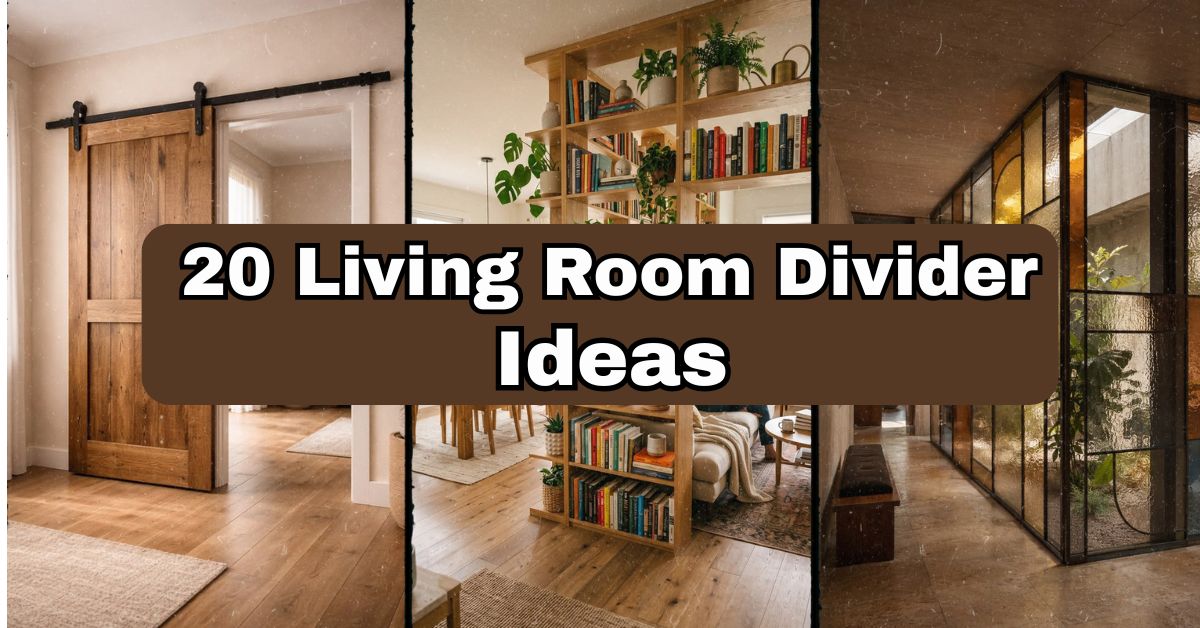
Glass partitions are the divider equivalent of having your cake and eating it too. You get a clear boundary while keeping every bit of natural light intact. Frosted or textured glass adds privacy without blocking brightness completely.
Black metal framing paired with clear glass gives an industrial-chic look, while frameless glass suits sleek modern spaces. This is a pricier option, so budget accordingly. Practical tip: use tempered glass for safety, especially in homes with kids or pets. This divider style shines in modern, industrial, and minimalist homes.
Let’s shift gears to something greener and more organic.
8. Hanging Plant Dividers

Plants bring life, literally, into your divider strategy. Hang trailing pothos or ivy from a ceiling-mounted rod, or line up potted plants on a floating shelf unit that spans the room’s width. This works beautifully for anyone who wants a divider that feels alive rather than static.
Choose plants based on your light conditions; low-light rooms need pothos or snake plants, while sunnier spots can handle ferns or fiddle leaf figs. This idea fits boho, coastal, and Scandinavian interiors particularly well. Tip: rotate plants toward light every couple weeks so they grow evenly on all sides.
Next, let’s look at a divider that hails from traditional Japanese design.
9. Shoji Screen Dividers

Shoji screens bring a calm, minimalist energy into any space. These translucent paper-and-wood panels filter light beautifully while creating a soft visual break. They slide on tracks, just like barn doors, but with a much lighter footprint.
Stick to natural wood tones and cream-colored paper panels for authenticity. This divider style fits Japandi, minimalist, and modern interiors especially well. Practical tip: keep shoji screens away from high-traffic areas since the paper panels can tear easily. They’re delicate but stunning when placed thoughtfully.
Now let’s talk furniture again with a piece you probably already have in mind.
10. Console Table Dividers

A console table placed perpendicular to your seating area creates an instant boundary. Style the top with lamps, trays, or a stack of coffee table books to give it purpose beyond just dividing space.
Choose a table with some visual weight, thick wood or a substantial metal frame, so it reads as a divider rather than just random furniture. This works in traditional, transitional, and modern homes alike. Tip: add a stool or bench underneath for extra seating that tucks away when not needed.
Let’s move to a divider option that doubles as serious storage.
11. Open Shelving Units

Open shelving works like a bookshelf but with a lighter, airier feel since you can see straight through the gaps. Mix closed baskets with open display items to balance function and style. This divider option pairs well with Scandinavian and industrial aesthetics.
Vary the heights of decor items across shelves to keep things visually interesting rather than cluttered. Practical tip: leave at least 30% of shelf space empty to avoid a cramped, overstuffed look. This solution suits homes that need storage and separation in equal measure.
Fabric-based options are next on our list, and they’re softer than you’d expect.
12. Fabric and Textile Dividers

Beyond simple curtains, textile dividers can include tapestries, quilted panels, or woven macrame hangings stretched across a frame. These add texture and warmth while softening the boundary between zones.
Choose natural fibers like cotton, jute, or wool for a cozy, tactile feel. This works especially well in boho, eclectic, and coastal homes. Tip: layer a textile divider in front of a plain wall to add depth and pattern without repainting anything.
Now let’s check out a divider mechanism that’s genuinely space-saving.
13. Accordion-Style Folding Dividers

Accordion dividers fold flat against the wall when you don’t need them, then unfold to create a full room split in seconds. They’re often made from wood slats or fabric-covered panels connected by hinges.
Pick a finish that matches your trim or door color for a built-in look. This option suits modern and minimalist homes where flexibility matters most. Practical tip: measure your unfolded width carefully; these dividers need enough wall space to fold flat when stored.
Woven textures come next, and they bring serious warmth to any room.
14. Rattan and Woven Screen Dividers

Rattan screens bring texture, warmth, and a laid-back vibe into any living space. The natural material filters light softly, casting subtle shadows that add visual interest to your walls and floors.
Pair rattan with warm wood tones, cream fabrics, and greenery for a cohesive boho or coastal look. Tip: seal rattan screens with a light varnish if you live in a humid climate to prevent warping over time. This divider style rarely suits ultra-modern spaces but shines in relaxed, earthy interiors.
Next, let’s talk about a divider that feels straight out of the 70s but is making a serious comeback.
15. Bead and String Curtain Dividers

Bead curtains are having a nostalgic revival, and honestly, they’re more sophisticated than you remember. Wood beads, glass strands, or even metal chains can create a shimmering, semi-transparent divide between spaces.
Choose materials that match your existing metal fixtures or wood tones for cohesion. This works in eclectic, bohemian, and retro-inspired homes. Practical tip: hang beaded curtains slightly wider than the doorway or opening for a fuller, richer look. They move gently with airflow, adding subtle motion to a static room.
Let’s get more permanent with a built-in solution.
16. Built-In Cabinetry Dividers

Built-in cabinetry offers the ultimate combo of storage and separation. Unlike freestanding shelves, these units get custom-fitted to your space, floor to ceiling, wall to wall. You can leave sections open for display and close others for hidden storage.
This is a bigger investment, but it pays off with a polished, intentional look. Choose finishes that match your existing millwork or cabinetry elsewhere in the home. This suits traditional and transitional homes especially well. Tip: hire a professional for installation since built-ins require precise measurements.
Now let’s discuss a divider idea that doesn’t involve any actual barrier at all.
17. Area Rug Zoning

Sometimes you don’t need a physical divider at all, just a strong visual cue. Placing distinct area rugs in different zones tells your brain “this is a separate space” without blocking sightlines or light.
Choose rugs with contrasting patterns or colors to clearly define each zone. This works in every home style since it’s purely about visual language, not construction. Practical tip: leave at least 6 inches of flooring visible between two rugs so the zones don’t blur together visually.
Ceiling solutions come next, adding drama from above.
18. Ceiling-Mounted Track Dividers

Track systems mounted to your ceiling let you hang curtains, screens, or even hanging plants that slide open and closed. This gives you maximum flexibility since you can swap out what hangs from the track anytime you want a fresh look.
Choose a track color that blends with your ceiling for a seamless look, or go bold with an exposed black track for an industrial statement. This suits modern, industrial, and eclectic homes. Tip: get a professional installer for ceiling tracks in rooms with high or vaulted ceilings.
Storage dividers deserve a spot here too.
19. Wine Rack and Storage Dividers

If you’re the type who loves entertaining, a wine rack divider might be your perfect match. These units combine display, storage, and separation in one striking piece. Choose metal frames for an industrial feel or wood cabinetry for something warmer.
This works especially well in transitional and contemporary homes with an open kitchen-living layout. Practical tip: add LED strip lighting inside for a boutique wine bar feel at night. It’s functional, stylish, and gives guests something to admire.
Last on our list, but definitely not least.
20. Multi-Functional Ottoman and Bench Dividers
A long bench or a row of ottomans placed between two zones creates a soft, low-profile divider that doubles as extra seating or storage. This option keeps sightlines completely open while still marking a clear boundary.
Choose upholstery that ties both zones together color-wise. This works in nearly every home style since ottomans come in endless shapes and finishes. Tip: choose ottomans with hidden storage compartments if you need to stash blankets or remotes.
Divider Idea Quick Reference Table
| Idea | Permanence | Skill Level Needed | Renter-Friendly |
|---|---|---|---|
| Bookshelf | Semi-Permanent | Low | Yes |
| Sliding Barn Door | Permanent | High | No |
| Curtain Panels | Temporary | Low | Yes |
| Half-Wall | Permanent | High | No |
| Rug Zoning | Temporary | Low | Yes |
| Ottoman Bench | Temporary | Low | Yes |
Tips for Success
- Measure your space twice before buying or building any divider.
- Match materials to your existing decor so the divider feels intentional, not random.
- Consider light flow before choosing solid versus see-through options.
- Think about sound. Fabric and wood absorb noise better than glass or metal.
- Always leave enough walking space around your divider, at least 30 inches for comfortable movement.
Common Mistakes and How to Avoid Them
Definition List:
Blocking all natural light
Solution: Choose open shelving, glass, or sheer fabric instead of solid, opaque materials.
Ignoring scale
Solution: A divider that’s too small looks awkward; too large feels overwhelming. Match it to your ceiling height and room width.
Skipping the color connection
Solution: Always tie your divider’s color or material back into your existing palette so it doesn’t look like an afterthought.
Forgetting about traffic flow
Solution: Plan walking paths before placing any divider so you’re not creating a maze.
Similar Variations You Can Try
- Swap curtain fabric seasonally for a fresh look without new furniture.
- Combine two divider types, like a bookshelf with a curtain behind it for added privacy.
- Use mismatched frames on a folding screen for an eclectic, gallery-style effect.
- Try a mobile divider on wheels if you want flexibility to rearrange often.
Wrapping Things Up
I hope this rundown of living room divider ideas gave you plenty to work with, whether you’re renting an apartment or renovating your forever home. The best divider really depends on your space, your budget, and how much privacy you actually need.
At the end of the day, living room divider ideas aren’t just about splitting a room, they’re about making your whole home function better for how you actually live.