24 Living Room Design Trends That Are Taking Over Homes in 2025
I’ve spent years digging through interior design trends, testing color palettes, and watching what actually works in real living rooms (not just Pinterest boards). That experience is exactly why I can walk you through these 24 living room design trends with confidence—no fluff, just what’s genuinely popular and functional right now.
So what are the top living room design trends for 2025? The biggest trends include Japandi minimalism, color drenching, curved furniture, biophilic design, warm neutrals, and vintage revival pieces. These styles blend comfort with visual interest while staying practical for everyday living.
Stick around, because I’m breaking down all 24 trends with real furniture picks, color combos, and mistakes to dodge—stuff most articles skip entirely.
Why Living Room Trends Matter More Than You Think
Your living room isn’t just a room. It’s where you binge shows, host friends, and sometimes fall asleep with a book on your chest. Getting the design right changes how the whole space feels. I’m going to walk you through 24 distinct directions you can take your living room, whether you love bold color or you’re a “keep it simple” kind of person. Let’s get into it.
1. Japandi Fusion

Japandi mixes Japanese minimalism with Scandinavian warmth, and honestly, it’s one of the smartest styles out there right now. The whole point is calm functionality—nothing screams for attention. Furniture stays low-profile with clean lines, think wooden coffee tables and simple sofas in oatmeal or charcoal tones. Stick to a palette of soft beige, muted green, and warm wood tones. Add texture through linen throws and ceramic vases instead of loud patterns.
Practical tip: Keep your furniture count low. Japandi rooms breathe because they’re not cluttered. This style suits modern and minimalist homes best, though it can soften an overly stark contemporary space too. Next up, let’s talk about a trend that takes the opposite approach entirely.
2. Color Drenching

Color drenching means painting walls, trim, and even ceilings the same bold shade. It sounds intense, but it actually makes small rooms feel bigger because there’s no contrast breaking up the space. Deep terracotta, forest green, and navy are popular choices. Pair drenched walls with furniture in a contrasting neutral, like a cream sofa or black metal shelving, so the room doesn’t feel flat.
My tip: Test the color in different lighting before committing to the whole room. This trend fits eclectic and modern homes especially well, adding drama without needing tons of decor. Now let’s cool things down with something more organic.
3. Biophilic Design

Biophilic design brings nature indoors, and it’s not just about adding a few plants. Think large windows, natural materials like rattan and stone, and organic shapes throughout the furniture. Color schemes lean into earthy greens, browns, and sandy neutrals. A jute rug, wooden side tables, and a big leafy plant in the corner can transform a sterile room into something alive.
Tip: Group plants of different heights together instead of scattering single pots—it looks more intentional. This works beautifully in modern, farmhouse, and even industrial spaces since natural elements soften harder materials. Speaking of contrast, let’s talk about layering lots of stuff together on purpose.
4. Maximalist Layering

Maximalism is the opposite of minimalism, and it’s having a real moment. This trend piles on pattern, color, and texture without apology. Mix a patterned rug with a striped throw pillow and a floral curtain—yes, really. Furniture pieces can be bold too, like a velvet emerald sofa or a brass-framed chair. The trick is choosing a common color thread that ties everything together so it doesn’t look chaotic.
Practical advice: Pick three colors max and repeat them throughout accessories. This style thrives in eclectic and bohemian homes but can work in traditional spaces with the right restraint. Next, let’s slow down and talk shape.
5. Curved Furniture Focus

Sharp edges are out. Curved sofas, round coffee tables, and arched mirrors are dominating living room layouts this year. The soft shapes make rooms feel more inviting and less rigid. Pair curved furniture with warm, muted tones like blush, cream, or sage to enhance the softness. A curved sofa paired with a round rug creates a cohesive flow that feels intentional rather than random.
Tip: Use curved furniture as your anchor piece first, then build the rest of the room around it. This trend suits modern and contemporary homes particularly well. Now, let’s step back in time a little.
6. Vintage Revival

Vintage pieces are back, and I mean real vintage, not just “vintage-inspired.” Thrifted coffee tables, antique lamps, and retro accent chairs are showing up in stylish living rooms everywhere. Colors lean into mustard yellow, burnt orange, and deep brown. Mixing one or two statement vintage pieces with modern basics keeps the room from feeling like a costume set.
My advice: Start with one vintage piece, like a lamp or side table, before committing to a full vintage overhaul. This works great in eclectic, traditional, and bohemian homes. From old-school charm, let’s move to something a bit more polished and traditional.
7. Grandmillennial Style

Grandmillennial style takes your grandmother’s decor and makes it cool again. Think chintz fabrics, scalloped edges, and needlepoint pillows, but paired with cleaner furniture lines so it doesn’t feel dated. Soft pastels and creamy whites dominate the palette, with pops of floral pattern on pillows or curtains.
Tip: Balance frilly details with one simple, modern piece like a plain linen sofa to keep the room from feeling overwhelming. This trend fits traditional and cottage-style homes especially well. Now let’s head into darker, moodier territory.
8. Dark Academia Aesthetic

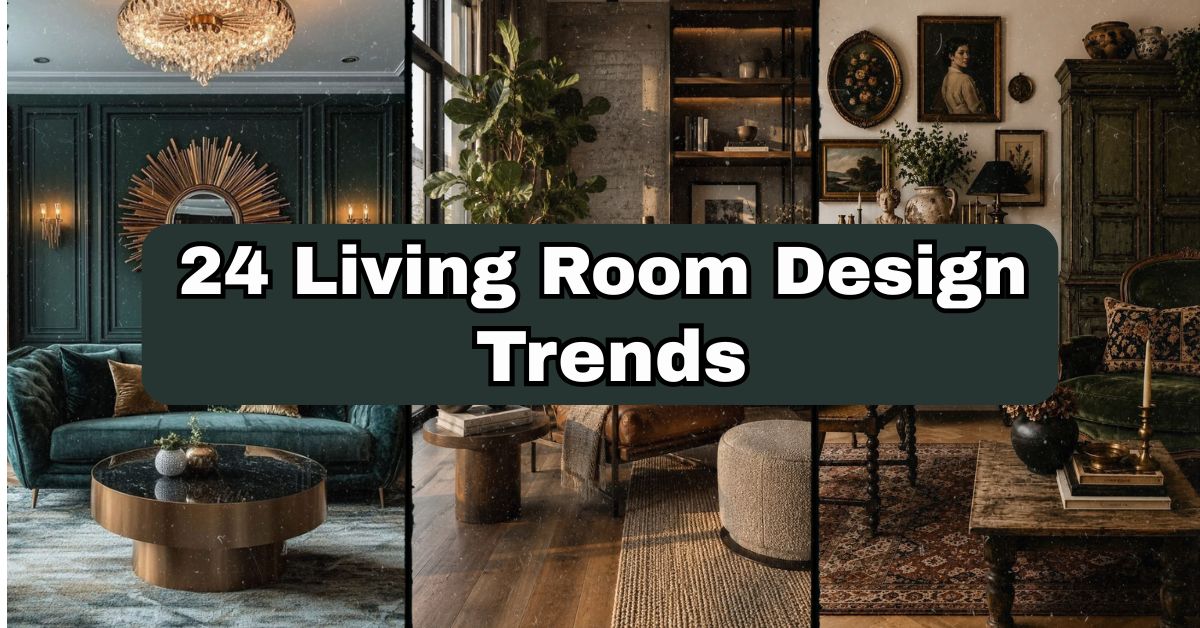
Dark academia brings rich, moody tones into the living room—deep burgundy, forest green, and espresso brown. Bookshelves packed with leather-bound books, brass reading lamps, and heavy velvet curtains complete the look. Furniture tends to be classic and substantial, like a leather Chesterfield sofa.
Practical tip: Layer lighting with table lamps instead of relying on one overhead fixture; it creates that cozy, library-like glow. This style suits traditional and vintage-loving homes. Let’s lighten the mood with a beachy option next.
9. Coastal Grandmother

This trend combines relaxed coastal vibes with a grandmother’s cozy touch. Think slipcovered sofas, wicker baskets, and soft blue-and-white striped pillows. Colors stay light and airy—cream, seafoam, and driftwood tones dominate.
Tip: Add a woven throw blanket over the sofa arm for that lived-in, effortless look. This style is perfect for farmhouse and traditional coastal homes. Now let’s swing toward something more urban and raw.
10. Industrial Chic

Exposed brick, black metal frames, and leather furniture define industrial chic. This trend works great in lofts or open-concept spaces. Stick to a color palette of charcoal, rust, and weathered wood.
My tip: Add warm lighting to counter the coldness of metal and concrete elements. This style fits modern and loft-style homes best. Next, let’s talk about a Scandinavian classic that never really goes out of style.
11. Scandinavian Simplicity

Scandinavian design focuses on function first, beauty second. Light wood furniture, white walls, and cozy textiles create a bright, airy feel. Popular colors include white, light gray, and soft blue.
Tip: Add a chunky knit throw for texture without cluttering the space. This trend suits modern and minimalist homes. Now let’s swing into something free-spirited.
12. Bohemian Eclectic

Boho style mixes patterns, textures, and global-inspired decor pieces. Macrame wall hangings, layered rugs, and floor cushions are staples. Warm earth tones mixed with jewel accents create visual interest.
Practical advice: Layer at least two rugs of different textures for that lived-in boho feel. This works in eclectic and casual homes. Next, let’s head to the farm.
13. Modern Farmhouse

Modern farmhouse blends rustic charm with clean lines. Shiplap walls, neutral linen sofas, and reclaimed wood tables are common. Stick to whites, grays, and warm wood tones.
Tip: Add black metal accents, like a lantern-style light fixture, to keep the space from feeling too soft. This suits farmhouse and traditional homes perfectly. Now let’s add some sparkle.
14. Art Deco Glam

Art Deco brings bold geometric patterns, metallic accents, and rich jewel tones back into style. Velvet sofas in emerald or sapphire paired with brass side tables create instant glamour.
My tip: Use mirrored surfaces to bounce light and amplify the glam factor. This works best in modern and eclectic homes. Let’s shift gears toward sustainability now.
15. Sustainable and Eco-Friendly Design

This trend focuses on furniture made from reclaimed wood, recycled metal, and organic fabrics. Neutral, earthy colors dominate, keeping the space calm and grounded.
Tip: Shop secondhand first before buying new—it’s both sustainable and often cheaper. This style fits nearly any home type since it’s more about material choice than aesthetic. Next, let’s talk function.
16. Multi-Functional Zones

Living rooms now need to work harder—doubling as home offices, workout spaces, or reading nooks. Furniture with hidden storage and modular sofas make this possible.
Practical tip: Use a large ottoman with storage inside to hide clutter while adding extra seating. This works in modern and small-space homes especially well. Now, let’s look up.
17. Statement Ceilings

Instead of only focusing on walls, designers are painting or wallpapering ceilings for extra drama. Bold colors or subtle patterns overhead add unexpected personality.
Tip: If you’re nervous about commitment, start with a soft pastel before going bold. This trend fits modern and eclectic homes well. Let’s talk texture next.
18. Textured Layering

This trend is all about mixing materials—linen, boucle, leather, and wood—within the same space. It adds depth without needing extra color.
My tip: Combine at least three different textures in your seating area for visual interest. This works in nearly every home style. Now, let’s simplify color completely.
19. Monochromatic Schemes

Sticking to one color family, but in different shades, creates a sophisticated, cohesive look. Think varying tones of gray, from charcoal furniture to light gray walls.
Tip: Add texture through fabric choices to keep a monochromatic room from feeling flat. This style suits modern and minimalist spaces. Next, let’s mix some metal.
20. Mixed Metals

Gone are the days of matching every metal finish. Mixing brass, black iron, and brushed nickel creates a more collected, personal look.
Practical advice: Pick one dominant metal and use the others as accents to avoid a mismatched feel. This works in modern, industrial, and eclectic homes. Now, let’s cover the walls.
21. Gallery Wall Curation

Curated gallery walls with mixed frame sizes and art styles are replacing single oversized art pieces. It’s a great way to showcase personality.
Tip: Lay out your frames on the floor first before hanging to get the spacing right. This works in almost any home style. Now, let’s cozy things up.
22. Cozy Cottagecore

Cottagecore focuses on soft, romantic details—floral prints, warm lighting, and vintage-inspired furniture. It feels like a countryside retreat.
My tip: Add dried flower arrangements for that cottagecore charm without upkeep. This suits traditional and farmhouse homes. Let’s finish with some tech talk.
23. Tech-Integrated Living Rooms

Smart lighting, hidden charging stations, and sleek media consoles are becoming standard. The goal is keeping tech present but visually minimal.
Tip: Use furniture with built-in cable management to avoid a tangled mess behind your TV. This fits modern and minimalist homes best. And finally, let’s talk warmth.
24. Warm Minimalism

Warm minimalism softens traditional minimalism with cozy textures and warmer tones instead of stark white and gray. Think cream walls, wood accents, and soft wool textiles.
Practical tip: Add one textured throw pillow to an otherwise simple sofa to avoid a cold, sterile feel. This works beautifully in modern and Scandinavian-inspired homes.
Quick Comparison Table: Color Palettes by Trend
| Design Trend | Primary Colors | Best For |
|---|---|---|
| Japandi Fusion | Beige, charcoal, muted green | Small spaces |
| Color Drenching | Terracotta, navy, forest green | Bold statement rooms |
| Biophilic Design | Green, brown, sand | Nature lovers |
| Dark Academia | Burgundy, espresso, forest green | Cozy reading spaces |
| Coastal Grandmother | Cream, seafoam, driftwood | Relaxed homes |
| Art Deco Glam | Emerald, sapphire, gold | Formal living rooms |
Furniture Material Guide
| Material | Common Trends | Maintenance Level |
|---|---|---|
| Velvet | Art Deco, Maximalist | Medium |
| Rattan | Biophilic, Coastal | Low |
| Leather | Industrial, Dark Academia | Low |
| Linen | Japandi, Warm Minimalism | Medium |
| Reclaimed Wood | Farmhouse, Sustainable | Low |
Tips for Success
- Start with one anchor piece, like a sofa or rug, before building the rest of the room
- Test paint colors on your actual wall before committing to a full room
- Mix textures even in minimal spaces to avoid a flat, cold feel
- Keep a consistent color thread running through accessories in bold styles
- Layer lighting sources instead of relying on one overhead fixture
Common Mistakes and How to Avoid Them
Definition: Over-matching — buying furniture that’s too coordinated, which makes a room feel like a showroom instead of a home. Fix this by mixing at least one vintage or unique piece into your space.
Definition: Under-lighting — relying on a single ceiling light for the whole room. Fix this by adding table lamps and floor lamps to create warmth and depth.
Definition: Ignoring scale — buying furniture that’s too big or small for the room. Always measure your space before shopping.
Definition: Trend-chasing — going all-in on one trend without considering long-term style. Mix trendy pieces with timeless basics so your room doesn’t feel dated in two years.
Similar Variations Worth Exploring
- Wabi-sabi minimalism, which embraces imperfection in furniture and decor
- Mediterranean coastal, a warmer twist on coastal design with terracotta tones
- Maximalist jungle, combining biophilic elements with bold pattern layering
- Retro-futurism, blending 70s shapes with modern materials
Wrapping It Up
I’ve walked you through 24 living room design trends, from calm Japandi spaces to bold color-drenched rooms, and everything in between. The best part? You don’t have to pick just one. Mix and match what feels right for your space and your life.
At the end of the day, these living room design trends are just starting points—your home should still feel like yours.