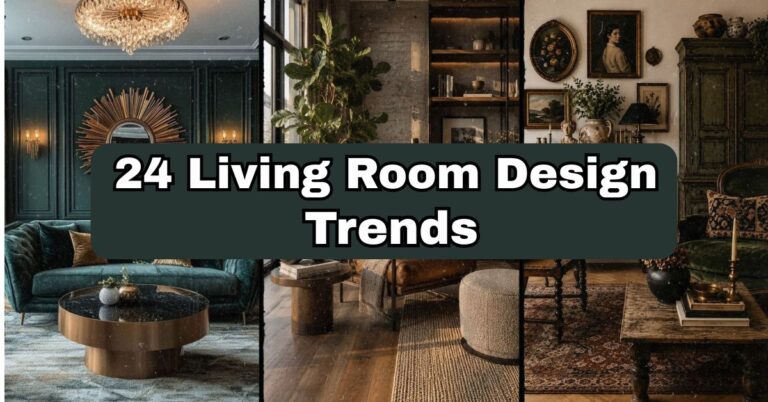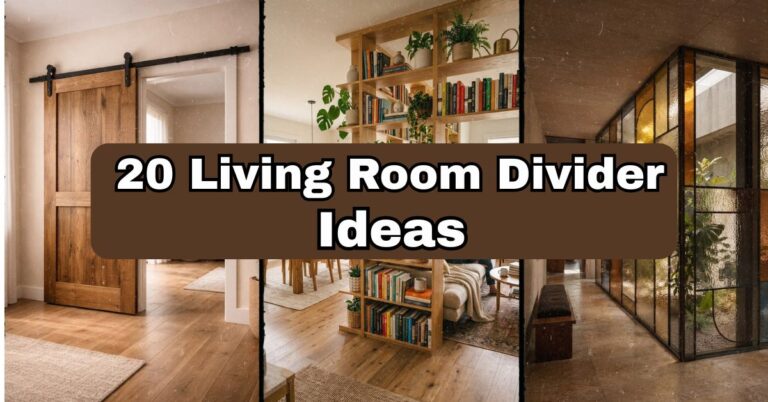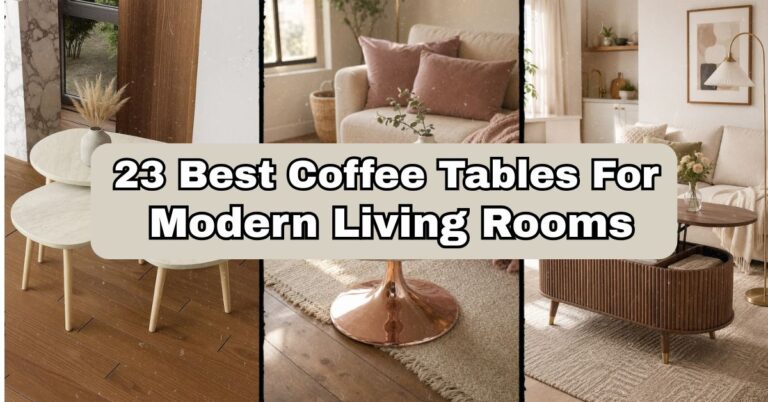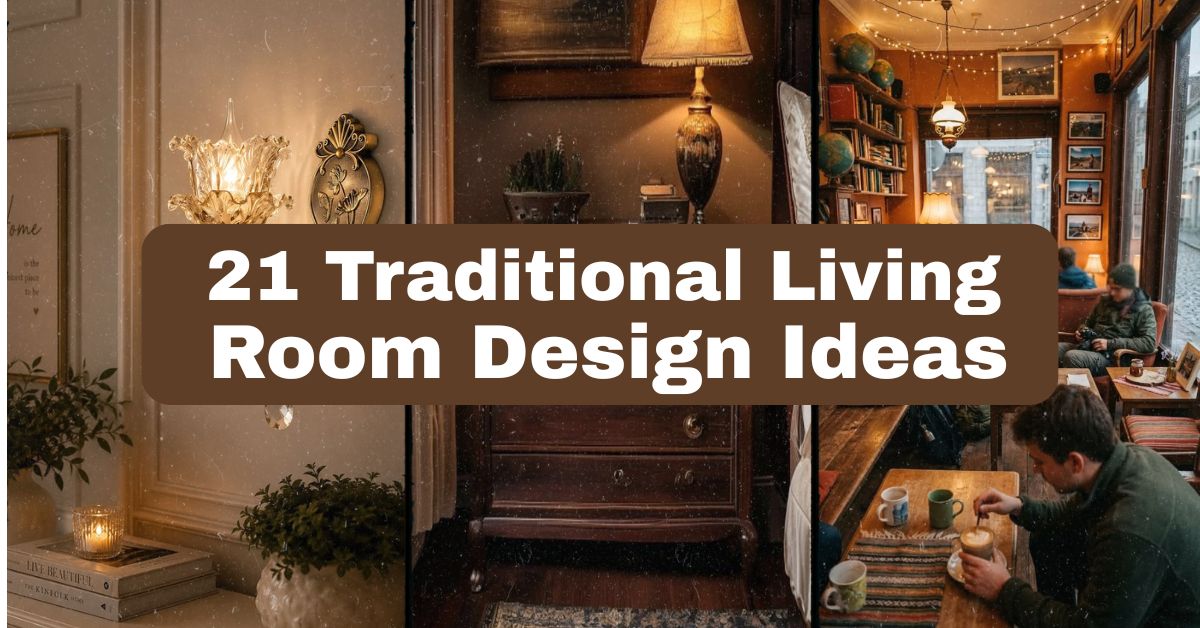
21 Traditional Living Room Design Ideas That Actually Work in Real Homes
I have been studying the trends in interior design for a while now, and the designs of the traditional living room ideas do not go out of fashion. On the contrary, they only get better. That is why, in preparation for this article, I wanted to be able to share all of the ideas based on the true principles of interior design, not the photos that lack any reasoning behind.
So, what are the best traditional living room design ideas? There is one thing that will help you create an elegant and warm atmosphere – rich wood furniture, classic color schemes, symmetrical layout, and luxurious fabrics like velvet or linen.
However, don’t leave me just yet. I am going to tell you about 21 different techniques, provide you with tables that compare color schemes and materials, mention typical mistakes that people do and even share some weekend tips for you.
What Makes a Living Room “Traditional” Anyway?
Now before we dive right into the list, let us talk a little bit about what it is that makes something considered traditional design in terms of interior design. Traditional design is inspired by European styles in the 18th and 19th century; picture furniture with Chippendale chair legs and Queen Anne carvings with touches of English countryside charm. It is warm. It is classic.
To me, traditional design is the comfort food of interior design. It satisfies and always works out just right. Now on to the fun part.
1. Rich Wood Furniture Anchors the Room

What could be more traditional than furniture made out of solid wood? Mahogany, cherry, and walnut pieces will add history to the room immediately. Choose a tone of wood and make sure it runs through all of your furniture: from coffee table to side tables and shelves.
Use brass or bronze hardware to achieve the desired effect of the past world. A Chesterfield sofa in leather or in fabric would match nicely with dark-toned woods. Traditional decorating is perfect for Colonial, farmhouse and classical English houses. Polish your wood furniture, because there is nothing worse for your traditional interior than old and worn furniture.
Now, let us consider colors in relation to all of this.
2. Classic Color Palettes with Warm Neutrals

Classical spaces rely on warm earth tones like cream, taupe, hunter green, burgundy, and navy. These tones appear timeless and complement wood finishes and gold highlights. It’s best to stay away from bright white and bright colors as they are contrary to the classical design.
You should start with painting the walls using a light ivory or light sage green tone and adding some depth to the look through accessories like pillows, curtains, and rugs. An accent wall of navy blue color behind the fireplace is an excellent option.
After you choose your colors, the time for patterns comes.
3. Layered Patterns: Florals, Damask, and Stripes

Traditional design isn’t afraid of pattern. Florals on curtains, damask on accent chairs, and stripes on throw pillows all coexist happily when done right. The trick is keeping one dominant pattern and using smaller-scale prints to support it.
I always suggest starting with your largest textile, usually the rug or curtains, and building smaller patterns from there. Mix a floral sofa with striped pillows in a complementary color. This works wonderfully in English cottage and formal traditional homes.
Speaking of rugs, let’s dig deeper into that specific piece.
4. Oriental and Persian Rugs as Focal Points

The first item to consider for your living room would be a hand-knotted Persian or Oriental rug. These rugs come with complex designs, colors, and a level of craftsmanship that cannot be achieved using machines.
Select a rug size where your major furniture items lie on or close to its border. The use of reds, blues, and golds from the rug would make up your color palette. This concept works very well for formal living rooms and libraries.
Now we turn our focus upwards towards the walls and windows.
5. Formal Drapery with Valances and Tiebacks

Floor-length curtains with valances or cornices scream tradition. Velvet, silk, or brocade fabric in rich jewel colors will add flair and texture to your windows.
Tiebacks will help you create gentle folds, and sheers can be layered underneath to provide privacy during the day. This is one element that goes great in a dining area or a tall room. Do not use simple blinds – it just doesn’t fit the look.
Now let’s talk about light because it’s more important than you think.
6. Crystal Chandeliers and Brass Sconces

Lighting fixtures in traditional rooms tend toward the ornate. Crystal chandeliers, brass sconces, and candle-style fixtures add sparkle and sophistication overhead.
If a full chandelier feels too much, try a smaller pendant with crystal accents. Wall sconces flanking a fireplace or artwork create balance and warmth. This works beautifully in Victorian, colonial, and even some Mediterranean-style homes. Dimmer switches help you control mood without sacrificing the fixture’s beauty.
Now, let’s talk about arranging furniture the traditional way.
7. Symmetrical Furniture Arrangements

Symmetry is the backbone of traditional design. Matching armchairs flanking a fireplace, identical lamps on either side of a sofa, these choices create balance and formality.
Start by identifying a focal point, usually a fireplace or window, then mirror furniture pieces around it. This principle suits nearly every traditional home style, from colonial to English manor. Symmetry also solves the common problem of a room feeling lopsided or chaotic.
Once your layout is set, it’s time to think about the mantel and built-ins.
8. Fireplace Mantels as Design Centerpieces

A traditional fireplace deserves attention. Wood or marble mantels with detailed molding become natural focal points for symmetrical arrangements and decorative displays.
Dress the mantel with a mix of heights, candlesticks, framed art, and a mirror or painting above. Keep the arrangement balanced but not identical for visual interest. This idea works wonderfully in colonial, Georgian, and farmhouse-traditional homes where fireplaces already exist as architectural features.
Next, let’s bring in some greenery and softness.
9. Fresh Florals and Botanical Accents

Nothing softens a formal room like fresh flowers or greenery. Traditional design often incorporates botanical prints, floral arrangements, and potted plants in classic ceramic or brass containers.
Place a simple floral arrangement on your coffee table or console. Botanical wallpaper in a powder room or accent wall nearby extends this theme subtly. This works across almost every traditional sub-style, adding life without disrupting the classic feel.
Let’s move to a related idea: antique and vintage pieces.
10. Antique Furniture and Heirloom Pieces

Traditional rooms feel authentic when they include at least one antique or heirloom piece. A grandmother’s clock, an inherited armoire, or a flea-market find with good bones adds character machine-made furniture can’t replicate.
Mix these pieces with newer furniture for balance; an all-antique room can feel more like a museum than a home. This idea shines in homes that already lean historic, like Victorian or colonial builds. Restoring a single antique piece can become the room’s conversation starter.
Now, let’s discuss wallpaper and wall treatments.
11. Wainscoting and Wall Paneling

Wainscoting, crown molding, and wall paneling add architectural interest that’s core to traditional design. These details create texture and depth, especially in rooms with plain drywall.
Paint paneling in a soft white or cream to keep things light, or go bold with a painted color below chair rail height. This works beautifully in colonial and Georgian-style homes. Adding wainscoting is a relatively affordable renovation that dramatically boosts a room’s traditional character.
Let’s talk about seating arrangements that encourage conversation.
12. Conversation-Friendly Seating Groups

Traditional living rooms prioritize conversation over television. Furniture often faces inward, arranged in a square or circle rather than all pointed at a screen.
Place two sofas facing each other with a coffee table between them, or add wingback chairs at angles to the main sofa. This layout works well in formal living rooms meant for entertaining guests. It solves the common problem of awkward, TV-centric layouts that feel impersonal.
Next, let’s bring texture into the mix through textiles.
13. Velvet and Damask Upholstery

Luxurious fabrics define traditional upholstery. Velvet, damask, and brocade on chairs and sofas add richness and a slightly formal touch.
Choose deep jewel tones, emerald, sapphire, or ruby, for maximum impact. Pair velvet seating with simpler linen curtains to avoid overwhelming the senses. This works in formal traditional and even some transitional homes looking to add warmth and depth.
Now, let’s discuss how art plays into this style.
14. Gallery Walls with Gilded Frames

Traditional homes often display art in ornate, gilded frames rather than sleek modern ones. Family portraits, landscapes, and still-life paintings arranged in a gallery wall add sophistication.
Group frames of varying sizes but similar gold or wood tones for cohesion. Hang the collection at eye level above a sofa or console table. This idea suits English traditional and French country homes particularly well, giving walls personality and history.
Let’s shift toward smaller decorative details next.
15. Decorative Trays and Curated Tabletops

Traditional rooms love curated vignettes. A silver tray on the coffee table holding candles, books, and a small plant creates an intentional, collected look.
Layer objects by height and texture, tall candlesticks, a stack of leather-bound books, a small vase. This detail works in any traditional sub-style and solves the “empty coffee table” problem many homeowners face.
Now, let’s talk about a design choice that adds warmth underfoot and overhead.
16. Wood Beam Ceilings and Exposed Trim

Exposed wood beams add rustic warmth to traditional spaces, especially in farmhouse or Tudor-style homes. Paired with crown molding, they create a layered, architecturally rich ceiling.
If your home lacks real beams, faux beams are a budget-friendly alternative that still deliver visual impact. This idea works particularly well in homes with vaulted or high ceilings, adding coziness to otherwise cavernous spaces.
Let’s move to window treatments’ quieter cousin: shutters.
17. Plantation Shutters for a Polished Look

While heavy drapes suit formal rooms, plantation shutters offer a cleaner traditional option, especially for colonial and coastal-traditional homes. Their wood slats add texture without the bulk of fabric.
Paint shutters white or a soft wood tone to match trim. Combine with simple curtain panels for softness if desired. This works well in sunnier climates or rooms where light control matters more than drama.
Next, let’s discuss a detail people often overlook: hardware and trim finishes.
18. Brass and Bronze Hardware Details

Small details like drawer pulls, curtain rods, and lamp bases in brass or bronze tie a traditional room together. These warm metals complement wood tones far better than chrome or matte black.
Swap out builder-grade hardware for antique brass pulls on any cabinetry in the room. This detail works across nearly every traditional style and costs relatively little compared to furniture changes.
Now, let’s look at how traditional rooms handle bookshelves and display cabinets.
19. Built-In Bookshelves with Curated Displays

Built-in shelving flanking a fireplace or window is a traditional design staple. These shelves display books, china, and family heirlooms while adding architectural structure to the room.
Arrange books both vertically and horizontally, mixing in small sculptures or framed photos. Paint the interior of the shelving a contrasting color for depth. This works beautifully in colonial, Georgian, and English traditional homes.
Let’s discuss one final furniture piece that often gets overlooked.
20. Skirted Furniture for Softness

Skirted sofas and chairs, where fabric extends to the floor instead of showing legs, add a softer, more formal traditional touch. This style hides storage underneath while creating a polished silhouette.
Choose a skirted sofa in a solid neutral fabric to balance patterned pillows or rugs nearby. This detail suits English traditional and grandmillennial-style homes especially well.
Finally, let’s wrap up with a design idea that ties everything together.
21. Layered Lighting for Warmth and Depth

Traditional rooms rely on multiple light sources rather than one overhead fixture. Table lamps, floor lamps, sconces, and chandeliers work together to create warm, inviting layers of light.
Use warm-toned bulbs (2700K-3000K) throughout for consistency. Place lamps on either side of the sofa and near reading chairs. This approach suits every traditional home style and solves the common problem of harsh, flat overhead lighting.
Traditional Design Elements at a Glance
Color and Material Comparison Table
| Design Element | Best Colors | Best Materials | Ideal Home Style |
|---|---|---|---|
| Furniture | Cherry, mahogany, walnut | Solid wood, leather | Colonial, English |
| Textiles | Burgundy, navy, hunter green | Velvet, damask, silk | Victorian, formal traditional |
| Rugs | Red, gold, deep blue | Wool, hand-knotted | Persian, library rooms |
| Lighting | Warm white, brass finish | Crystal, brass, bronze | Georgian, Victorian |
| Wall Treatments | Cream, sage, soft white | Wood paneling, wallpaper | Colonial, Georgian |
| Hardware | Antique gold, bronze | Brass, bronze | Farmhouse, coastal traditional |
Furniture Placement Quick Reference
| Room Size | Recommended Layout | Focal Point |
|---|---|---|
| Small (under 200 sq ft) | Two-seat sofa with two chairs | Fireplace or window |
| Medium (200-350 sq ft) | Sofa, loveseat, two chairs | Fireplace with symmetrical shelving |
| Large (350+ sq ft) | Two sofas facing each other | Fireplace and secondary reading nook |
Tips for Success
Getting traditional design right takes a bit of patience. Here’s what I’ve learned works best:
- Start with one anchor piece, a rug, sofa, or antique, and build the room’s color palette around it
- Layer textures deliberately: pair smooth wood with plush velvet and woven rugs
- Don’t rush the room. Traditional spaces look best when they feel collected over time
- Invest in quality where it counts most: your sofa and rug will get the most use
- Balance formal elements with at least one comfortable, lived-in piece
Common Mistakes and How to Avoid Them
Definition List: Mistakes to Watch For
Overmatching furniture sets
: Buying an entire matching furniture set makes a room feel like a showroom, not a home. Mix pieces from different sources for a collected look.
Ignoring scale
: Oversized furniture in a small traditional room feels cramped. Measure your space before buying anything.
Skipping window treatments
: Bare windows undercut the formal, layered feel traditional design relies on. Always dress your windows, even simply.
Using only cool-toned lighting
: Cool white bulbs clash with warm wood tones and traditional color palettes. Stick to warm bulbs throughout.
Forgetting a focal point
: Rooms without a clear focal point, like a fireplace or large window, feel unorganized. Arrange furniture around one clear anchor.
Similar Variations Worth Exploring
If straight traditional design doesn’t fit your exact taste, consider these close cousins:
- Grandmillennial style: Traditional elements with a playful, younger twist, think scalloped edges and bold color
- Transitional design: Blends traditional furniture shapes with modern, cleaner lines and simpler patterns
- English Country: Leans heavier into florals, chintz, and cozy clutter
- French Country: Softer color palettes with distressed wood and toile fabrics
- Coastal Traditional: Classic shapes and symmetry but in lighter, beachier colors
Wrapping Things Up
Traditional living room design ideas give you a foundation that never really expires. I’ve walked you through 21 different approaches, from rich wood furniture to layered lighting, and shown you exactly how each piece fits into the bigger picture. The tables, tips, and mistake-avoidance list above should make it easier to start planning your own space with confidence.
At the end of the day, good traditional design isn’t about following every rule perfectly. It’s about creating a room that feels warm, balanced, and truly yours, built on ideas that have stood the test of time. That’s the real magic behind traditional living room design ideas.